What Is the Purpose of Hyperbaric Oxygen Therapy (HBOT)?

Contents
Are you looking for an alternative treatment option that doesn’t involve medication or surgery? If so, you may have heard of hyperbaric oxygen therapy (HBOT). But what is it, and what is it used for?
We teamed up with TH7 Body Labs to explore the purpose of HBOT and how you can use it to improve your overall health. HBOT is a medical treatment for specific conditions, so it’s worth knowing what the evidence supports before you book a session.
What Exactly Is Hyperbaric Oxygen Therapy (HBOT)?
Hyperbaric oxygen therapy is a treatment that includes breathing 100% pure oxygen while in a chamber that has been pressurized to two to three times the atmospheric pressure. This increase in pressure allows your lungs to take in more oxygen than they would at normal atmospheric pressure.
The oxygen-rich blood is then circulated throughout your body, providing tissues with the oxygen they need to function optimally.
HBOT has a long history in medicine, and some clinics now promote it as a wellness treatment. However, research has not shown that HBOT can improve overall health and well-being in healthy people.
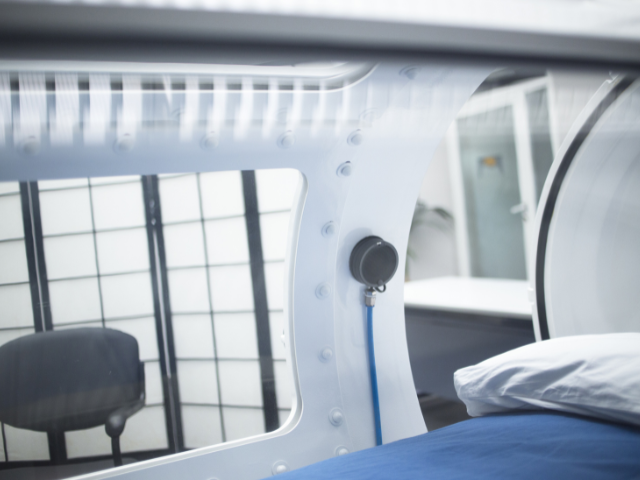
So, what is hyperbaric oxygen therapy used for? Let’s take a look.
According to MedlinePlus and Cleveland Clinic, approved uses of hyperbaric oxygen therapy include:
- Wounds that are slow to heal
- Severe bone and skin infections, such as osteomyelitis and necrotizing soft tissue infections
- Air or gas embolism
- Carbon monoxide poisoning
- Severe anemia
- Compromised skin grafts
- Crush injuries
- Decompression sickness
- Gangrene
- Radiation tissue damage
- Thermal burns
Some medical spas and alternative clinics also advertise HBOT for other conditions, such as:
- Alzheimer’s disease
- Autism
- Cerebral palsy
- Chronic fatigue syndrome
- Fibromyalgia
- Multiple sclerosis
- Parkinson’s disease
However, there isn’t enough research to conclude that HBOT safely and effectively treats these conditions, according to Cleveland Clinic. Relying on it could delay treatments that are proven to work.
How Can I Get Started with Hyperbaric Oxygen Therapy (HBOT)?
If you’re interested in exploring HBOT as a treatment option, it’s important to consult with a qualified healthcare professional to see which best suits you. Choose a hospital or facility with hyperbaric accreditation, with a doctor overseeing your treatment.
However, when looking for a provider, it’s important to remember that not all HBOT chambers are created equal. Make sure to research and find a reputable provider that offers treatments in a chamber that meets or exceeds industry standards. Also, be sure to ask about the provider’s experience and the staff’s qualifications.
How Frequent Are Hyperbaric Oxygen Therapy (HBOT) Sessions?
The frequency of HBOT sessions will vary depending on the condition being treated. Sessions usually last one to two hours, and your provider may schedule them anywhere from once a week to five days a week, sometimes for 30 or more total sessions.
Emergencies such as carbon monoxide poisoning or decompression sickness may need just a few urgent treatments.
It’s important to note that HBOT is not a “quick fix,” and results will vary from person to person. Your care team will track whether it is helping the condition being treated.
What Will You Feel After a Session of Hyperbaric Oxygen Therapy (HBOT)?
After a session of HBOT, you may feel a sense of well-being and relaxation. Some people also report feeling more energetic and alert. However, these effects are usually short-lived and will resolve within a few hours.
In some cases, people may experience mild side effects after HBOT, such as:
- Dizziness
- Ear pain
- Fatigue
- Headache
- Nausea
- Temporary claustrophobia
These side effects are usually mild and will resolve on their own. Less often, the pressure can injure the ears or sinuses, and HBOT may not be safe for people with certain lung problems, such as a collapsed lung. If you experience severe side effects, contact your healthcare provider.
What to Expect In the Long Term
HBOT is well established for the approved conditions above, but evidence for other uses is limited. If you’re interested in exploring HBOT, consult a qualified health care professional to see if it’s right for you.
Final Words
When done under medical supervision, HBOT is a safe and effective treatment for specific approved uses. It is not a proven treatment for chronic fatigue, autism, or the other conditions some clinics advertise.
So, do you consider trying HBOT? Have you tried it before? Let us know in the comments below!
Sources
- Hyperbaric oxygen therapy, MedlinePlus
- Hyperbaric Oxygen Therapy, Cleveland Clinic