
Reasons Why Your Gums Are Bleeding & How to Stop Them
Contents
- Why Is Gum Health Important?
- What Are Bleeding Gums?
- Ways To Stop Bleeding Gums
- Good oral hygiene
- Use Mouthwash
- Cold Compress
- Gargle Warm Water With Salt
- Use Soft-Bristled Toothbrush
- Avoid Sugary And Processed Foods
- What Deficiency Causes Bleeding Gums
- Bleeding Gums: Treatments And Prevention
- Use Anti-Gingivitis Toothpaste
- Avoid Tobacco
- Maintain A Healthy Lifestyle
- Final Thoughts
- Sources
Oral health is not all about healthy teeth because healthy gums are also significant. Gum bleeding is very common, especially when brushing or flossing. A one-time bleed from an injury is usually minor, but gums that bleed often should be checked by a dentist.
Why Is Gum Health Important?
The gums cover and protect the bone that holds your teeth in place and help seal out bacteria. Like giving care to your teeth, it is also essential to provide proper care to gums so that bacteria would not proliferate around the teeth that may cause gum diseases.
What Are Bleeding Gums?
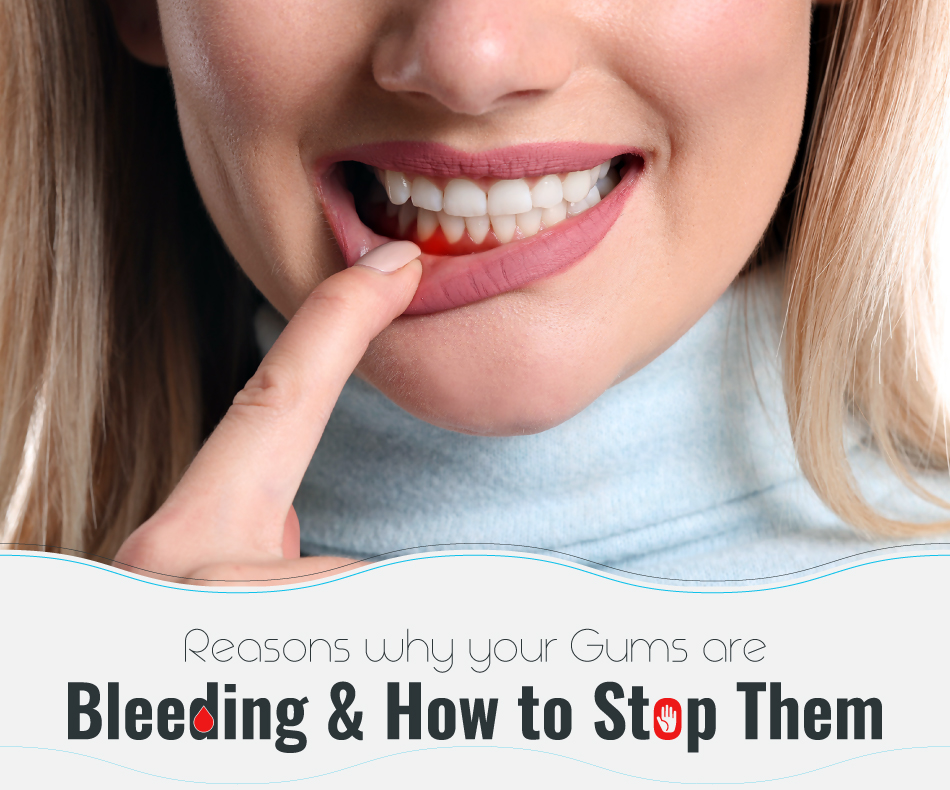
Bleeding gums are most often a sign of gum disease, which starts with swollen, red, and bleeding gums and can spread to the bone if left untreated. Bleeding can also come from brushing too hard or dentures that fit poorly. According to MedlinePlus, other possible causes include:
- Low platelet counts or other bleeding disorders
- Vitamin C or vitamin K deficiency
- Leukemia
- Blood thinners
- Periodontitis or advanced gum disease
Ways To Stop Bleeding Gums
Consulting a dental expert, like this professional dentist in Harrisburg, is the key to finding the cause of bleeding and the right treatment. Meanwhile, these steps can help at home.
Good oral hygiene
Poor dental hygiene is one culprit of bleeding gums. When the plaque accumulates in the gum line, it will cause inflammation and eventually bleeding. The plaque that covers the gums and teeth contains bacteria. Poor dental hygiene will lead to spreading the bacteria and cause gum disease and tooth decay. Thus, it is essential to practice good oral hygiene all the time.
Use Mouthwash
Your dentist may recommend an antibacterial mouthwash to reduce plaque and gum inflammation. Mouthwash helps alongside brushing and flossing; it does not replace them or professional cleanings.
Cold Compress
For bleeding from a minor injury, press a gauze pad soaked in ice water or a small cold pack against the gums. It can also soothe swelling. Call a dentist or doctor if bleeding is heavy or doesn’t stop.
Gargle Warm Water With Salt
Another way to stop gum bleeding is by gargling warm water with salt. It will help to cleanse the area and reduce bacteria. A few rinses a day can soothe sore gums, but rinsing won’t treat the cause of ongoing bleeding.
Use Soft-Bristled Toothbrush
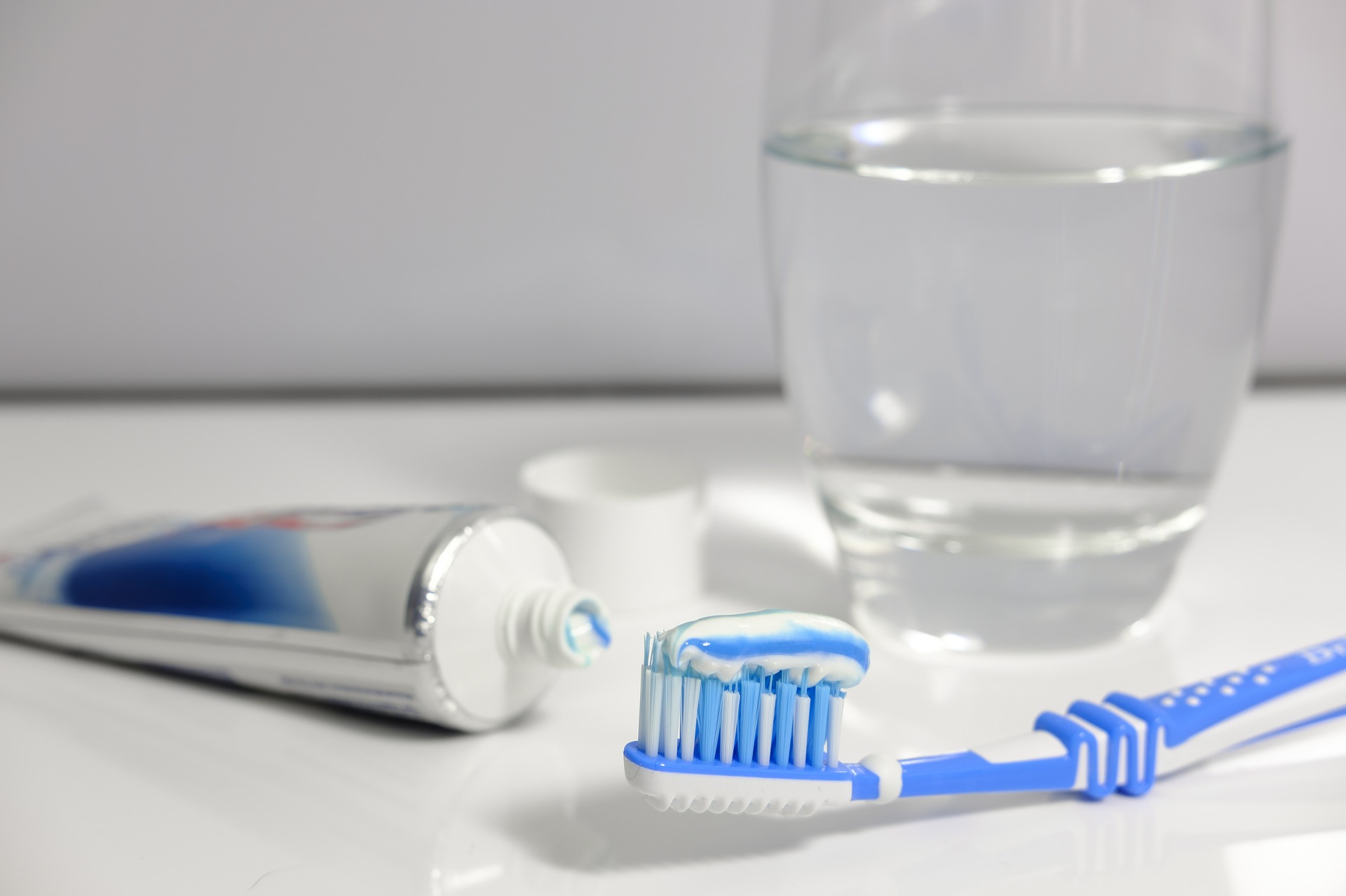
Brushing too hard can make gums bleed. A soft-bristled brush and gentle strokes are easier on sensitive gums.
Avoid Sugary And Processed Foods
Sugary foods feed the bacteria in plaque, which can lead to gingivitis and bleeding gums. These foods are culprits of tooth decay and serious dental issues.
What Deficiency Causes Bleeding Gums
Severe vitamin C deficiency causes scurvy, and bleeding gums are one of its signs. Vitamin K helps blood clot, so a deficiency can also make you prone to bleeding. Only take supplements for a deficiency your doctor has diagnosed.
Bleeding Gums: Treatments And Prevention
Consulting a dentist from Markham Stouffville Smile Centre will help you know how to prevent and determine effective treatments for bleeding gums. As mentioned earlier, bleeding gums are symptoms of gingivitis. With this, it is essential to do immediate action to stop the problem through treatment and prevention.
Use Anti-Gingivitis Toothpaste
Dentists often recommend a fluoride toothpaste labeled for gingivitis for people with bleeding gums. These products help control plaque along the gumline. Fluoride also helps protect tooth enamel.
Avoid Tobacco
Smoking and other tobacco use raise the risk of gum disease and make it harder to treat, so quitting helps your gums.
Maintain A Healthy Lifestyle
Among other treatments for bleeding gums, the best practice is maintaining a healthy lifestyle. Start with eating healthy and nutritious foods good for your teeth and gums. Avoid those foods and drinks that will damage the gum lines and teeth.

Final Thoughts
Bleeding gums can be alarming if it happens frequently. Good daily oral hygiene and regular dental cleanings resolve most cases of gingivitis.
See a dentist if bleeding lasts more than a week or two, and see a doctor for bleeding that is heavy or comes with bruising, fatigue, or other unexplained symptoms.
Sources
- Bleeding gums, MedlinePlus
- Periodontal (Gum) Disease, NIDCR