7 Natural Products To Include In Your Routine For Better Overall Health
Contents
Unsurprisingly, we all want to lead healthier lives, and the key to achieving optimal health often lies in our daily routines. But with so many products on the market today, it can be tricky to know what benefits us and our well-being.
Here we have 7 natural products people often include in their routines, from skincare items to supplements. "Natural" doesn't mean risk-free, so we note what the evidence shows and how to use each one safely.
Here Are 7 Natural Products To Include In Your Routine For Better Overall Health
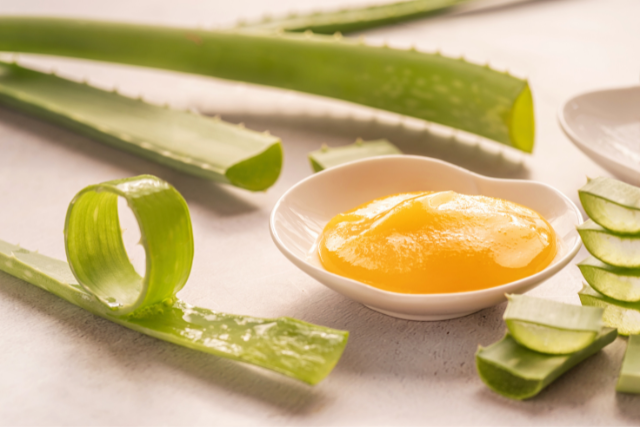
1. Aloe Vera
Aloe vera, a succulent plant used for centuries for its medicinal properties, has recently become a natural and versatile product to incorporate into your daily routine.
Its clear gel is used on the skin for minor burns and dryness, and aloe is added to drinks and supplements.
Topical aloe gel is generally well tolerated. Oral aloe is a different story. NIH notes that aloe latex can cause cramps and diarrhea, and the FDA removed it from over-the-counter laxatives in 2002.
Some oral aloe products have been linked to liver problems. Avoid oral aloe if you are pregnant or breastfeeding, and check with your doctor if you take medicines.

2. Turmeric
Turmeric has been used for centuries as a spice, a dye, and a traditional medicinal remedy in India and some other countries. Its active ingredient, curcumin, has been studied for its potential health benefits, although most of these studies are still preliminary and exploratory.
Turmeric used as a spice in food is safe for most people. Turmeric supplements are a different matter: they can upset the stomach, and liver injury has been reported, especially with high-absorption curcumin products.
Turmeric supplements may be unsafe during pregnancy. Talk with your doctor before taking them if you use blood thinners, diabetes drugs or other medicines.
Remember that turmeric is not a panacea and may not work for everyone or in all situations. However, turmeric may contribute to your overall wellness and vitality as part of a balanced and varied lifestyle.
3. Tea Tree Oil
Tea tree oil is a popular natural skincare ingredient. Derived from the leaves of the Melaleuca alternifolia plant native to Australia, tea tree oil can be used for various purposes.
It has antibacterial and antifungal properties in lab studies. Limited evidence suggests tea tree oil may help acne when used on the skin.
Tea tree oil should never be swallowed; it can cause confusion, loss of balance and even coma. Dilute it before use, as it can irritate skin, and keep it away from children and pets.
4. Peppermint Oil
Peppermint oil possesses a refreshing and invigorating scent, making it a popular choice for aromatherapy enthusiasts. This natural product can enhance your daily routine beyond just its refreshing fragrance.
Many people find its scent refreshing, and diluted in a carrier oil, it can give a cooling feeling on the skin.
Use peppermint oil sparingly on the skin, as it can irritate. Don't apply it near the face of infants or young children, and don't swallow essential oils.
5. Eucalyptus Oil
Eucalyptus oil, extracted from the leaves of eucalyptus trees, is a natural product used for centuries. The oil contains numerous compounds, including cineole, which has shown antibacterial and antiviral activity in lab studies.
Incorporating eucalyptus oil into your daily routine may help you relax. You can add a few drops of the oil to a diffuser or put it in a warm bath to help promote relaxation.
Many people find that the scent makes their nose feel clearer. Eucalyptus oil is toxic if swallowed, even in small amounts, so store it out of children's reach and never take it by mouth.
6. Green Thai Kratom Powder
The green thai kratom powder is a herbal product some people include in their daily routines. It is made from the leaves of the Mitragyna speciosa tree, which have traditionally been chewed or brewed as tea in Southeast Asia.
Users report effects on energy, focus and mood, but these effects have not been proven in well-designed human studies. The FDA has not approved any kratom product and warns against kratom use because of risks such as dependence, withdrawal, liver injury and seizures.
If you choose to use kratom, buy lab-tested products, avoid mixing it with alcohol or other drugs, and talk with your doctor first, especially if you take medicines or are pregnant.
7. Honey
Honey has been a beloved natural product for thousands of years, loved for its sweetness and flavor. It can also soothe a cough in children over 1 year old and adults.
Honey contains small amounts of antioxidants. Never give honey to babies under 1 year old because of the risk of infant botulism.
Honey is still an added sugar, and it raises blood sugar much like table sugar does. The CDC counts honey as an added sugar, so use it in small amounts, especially if you have diabetes or are watching your weight.
Whether added to your morning toast or tea, drizzled over yogurt, or used in baking, a little honey can add flavor. Just treat it as a sweetener, not a health food.

Things To Consider While Adding Natural Products To Your Routine
Incorporating natural products into your routine can be an excellent way to enhance your self-care regimen, but it’s essential to consider a few critical factors first.
First, consider your skin type and specific concerns, such as dryness, sensitivity, or acne. This will help guide you in choosing suitable products for your needs. Patch-test any new skin product on a small area first.
Next, consider the ingredients and where they’re sourced from. Remember that the FDA does not approve supplements for safety or effectiveness before they are sold, and herbs can interact with medicines.
Additionally, take note of the product’s potency and expiration date, as natural products can lose efficacy over time. Talk with your doctor or pharmacist before starting any supplement, especially if you are pregnant, breastfeeding or take medicines.
Sources
- Aloe Vera, National Center for Complementary and Integrative Health
- Turmeric: Usefulness and Safety, National Center for Complementary and Integrative Health
- Tea Tree Oil, National Center for Complementary and Integrative Health
- FDA and Kratom, U.S. Food and Drug Administration