Top 5 Natural Herbs and Wellness Tips to Aid with a Good Night’s Sleep: Tips from a Clinical Herbalist
Contents
It has been a difficult day at work; you were late picking your kids up from school and getting them to soccer practice.
Traffic was congested, and you forgot to stop by the bank before it closed. Dinner for the family became a rushed trip through the fast food drive-thru, and once home, you are drained, exhausted, and frustrated.
After settling in for the night, you believed you were going to fall right to sleep from being so fatigued, and after a few moments of laying in bed, your mind starts to wander.
Minutes turn to hours, and after some restless tossing and turning, you feel you will never get to sleep.
Does this scenario sound relatable? Maybe too familiar?
If so, there are steps you can take toward better sleep, and some people like to try gentle herbal options alongside good sleep habits.
The evidence for most sleep herbs is limited. NCCIH notes that cognitive behavioral therapy for insomnia (CBT-I) is the most strongly recommended treatment, so see your doctor if poor sleep lasts more than a few weeks.
In this article, you will learn our top 5 natural herbs and wellness tips that will help you promote deeper sleep and a more restful evening.
Natural Herbs and Wellness Tips: Consuming Herbs that Promote Relaxation

Valerian Root
You may have heard of Valerian root as it is becoming more and more mainstream. Valerian is widely promoted for sleep and relaxation, but NCCIH says there is not enough evidence to know whether it helps.
It appears generally safe for most adults for short-term use (up to about 6 weeks), but long-term safety is unknown. It can cause headache, stomach upset or grogginess, and stopping suddenly after long use may cause withdrawal symptoms. Valerian root is extremely versatile and can be used as an herbal tea, tincture, and even found in some herbal salves.
Tips for Better Sleep: Infusions
Passion Flower
Passion flower (Passiflora incarnata) is a climbing vine with beautiful flowers that have been used for centuries to treat various ailments, including insomnia. This flower is native to the southeastern United States and Mexico but can now be found all over the world.
There are many different species of passion flower, but the most commonly used for sleep is the Passiflora incarnata. A small amount of research suggests passionflower might improve total sleep time in adults with insomnia, but results on falling and staying asleep are mixed.
If you’re looking for a natural way to improve your sleep, consider passion flower. Passion flower can be found in supplements, teas, and extracts. It can cause drowsiness, should not be used during pregnancy, and should be stopped before surgery, according to NCCIH.
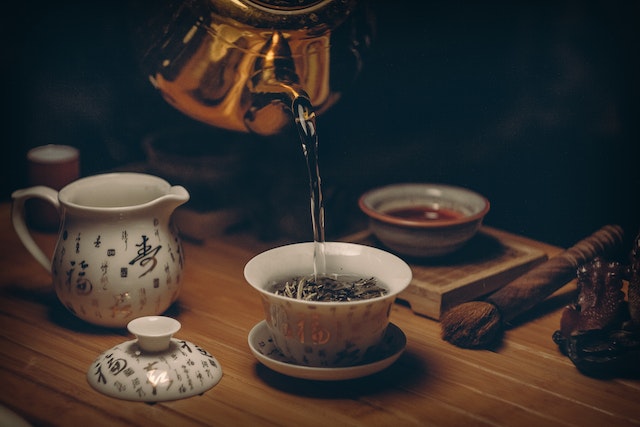
Creating an infusion out of dried passion flowers is very simple. An infusion is simply a hot tea process. Grab a tea ball or sachet, and place a serving amount of dried herb in the container. Boil 4-6oz of hot water, place the sachet in a cup and steep the passion flower for about 5-7 minutes. Sweeten to desired.
Tips for Better Sleep: Tinctures
Lavender
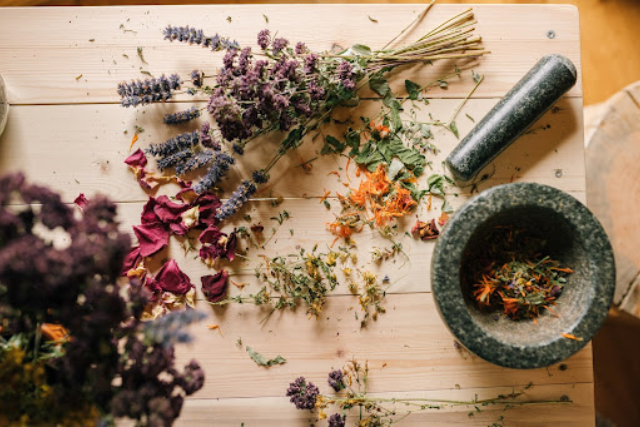
Lavender is a great herb to use in tinctures to help aid in restful sleep. The soft, soothing, and cooling flavor is easily taken directly on the tongue or mixed in with your favorite nighttime tea.
Lavender is a popular natural remedy for sleep and relaxation. This fragrant herb has a long history of use for its calming and soothing effects. Today, lavender is widely available in different forms, such as essential oils, dried lavender, tea, and even in topical personal care products.
If you’re looking for a natural way to improve your sleep, lavender may be worth trying.
Lavender’s effect on sleep is uncertain. NCCIH says it’s unclear whether aromatherapy with lavender oil helps sleep quality or insomnia, although many people find the scent relaxing.
If you’re interested in trying lavender to improve your sleep, there are a few things to keep in mind. First, start with a small amount to see how your body reacts. Second, buy from a reputable source, and never swallow lavender essential oil, which is meant for aromatherapy or diluted use on the skin.
And finally, don’t use lavender oil or any other essential oil before consulting your physician or a clinical herbalist.
Here are a few tips on how to use lavender to get better sleep:
- Add a few drops of lavender essential oil to your pillow or diffuser to help you relax and fall asleep.
- Drink a cup of lavender tea before bedtime.
- Place a sachet of dried lavender under your pillow.
Consider giving lavender a try. This natural remedy just might help you get the rest you need.
Tips for Better Sleep: Cooking with Herbs as Medicine
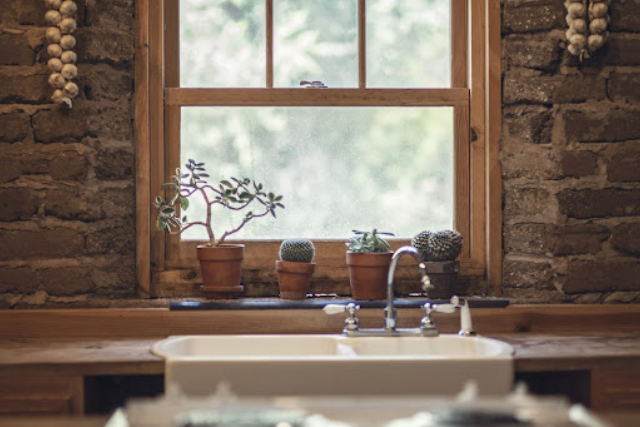
Incorporating herbs into your kitchen and daily meals is another great way to start improving your overall wellness, and yes, this means better sleep cycles too!
Once you begin to take stock of the herbs you currently have on hand, it may even surprise you that you’ve been cooking with some powerful healers all this time.
Here are a couple of common ones that can aid in improving restful sleep:
Holy Basil
If you’re looking for a natural way to improve your sleep quality, holy basil may be a good option for you. Holy basil is an herbal remedy that has been used for centuries to treat a variety of health conditions. In recent years, holy basil has gained popularity as a natural sleep aid.
A few small studies suggest holy basil may help with stress, which could indirectly help sleep. Strong evidence that it treats insomnia is lacking.
If you’re interested in trying holy basil for sleep, there are a few things you should keep in mind. First, holy basil is typically taken in the form of a supplement, and there are a few different ways you can take holy basil.
The most common way is to take it as a supplement, but you can also add it to your food, take it in tincture form, or drink it as tea.
Ashwagandha
Our final herb for our top 5 herbs list, and this one is extremely special… Meet ashwagandha.
Ashwagandha is an herb that has been used for centuries in traditional Indian medicine. It is considered to be a “Rasayana,” which means it is thought to promote health and well-being. Ashwagandha is also known as Withania somnifera, Indian ginseng, or winter cherry.
Ashwagandha has been used for centuries in Ayurvedic medicine. Many small clinical trials have tested it for stress, anxiety and sleep, with some promising results, but studies used different preparations.
It is not a treatment for cancer or arthritis. NCCIH notes rare cases of liver injury, and it should be avoided during pregnancy and breastfeeding and by people with thyroid or autoimmune disorders. It may interact with sedatives and medicines for diabetes, blood pressure, seizures and thyroid conditions.
It is available in capsules, powders, and tinctures.
Before You Try Sleep Herbs
The FDA does not approve herbal supplements for safety or effectiveness before they are sold. Talk with your doctor or pharmacist before trying any of these herbs, especially if you are pregnant, take medicines, or have a health condition.
Don’t combine sleep herbs with alcohol or sleep medicines. If you snore loudly, stop breathing during sleep, or feel exhausted despite enough time in bed, see a clinician to rule out a sleep disorder.