CBD Cream For Skin: What Are the Benefits?
Contents
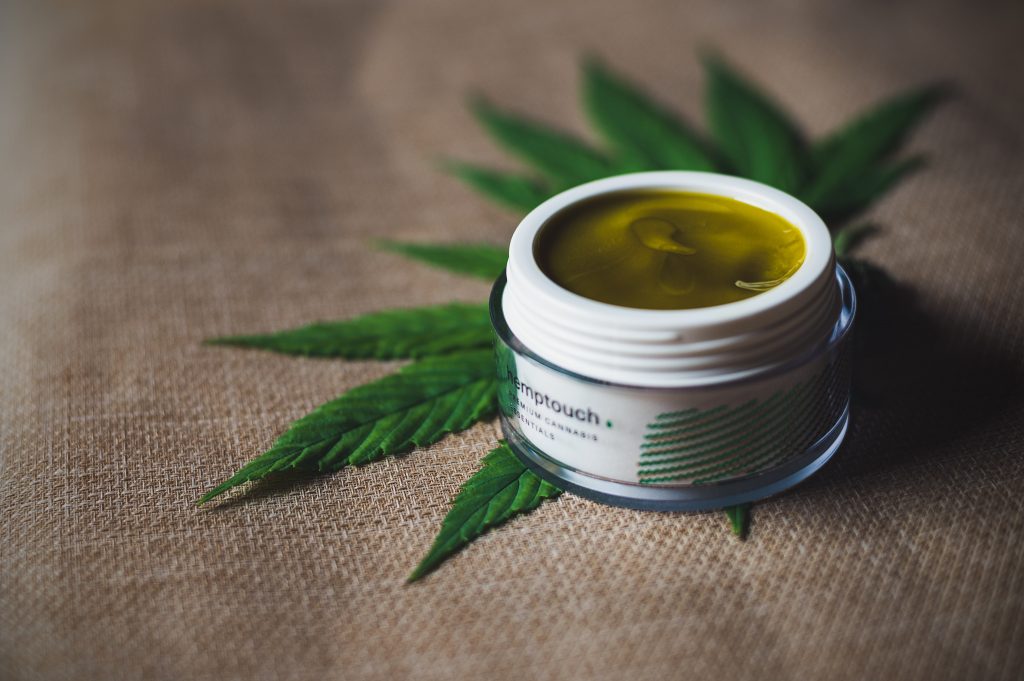
CBD products, from gummies and oils to creams, have become popular since the 2018 Farm Bill made hemp with no more than 0.3% THC federally legal.
Great, right? Not so fast. Federal law does not make CBD an approved medicine. The FDA has approved only one CBD product, a prescription drug for certain seizure disorders.
CBD or cannabidiol is sourced from the cannabis Sativa or hemp plant and is believed to affect the endocannabinoid system of the body. The endocannabinoid system, also called the ECS, helps regulate many body processes, and its receptors are found in the skin. Below are the possible skin benefits of CBD cream and what the evidence actually shows.
1. Possible Anti-aging Effects
Several studies have focused on CBDs’ anti-inflammatory, moisturizing, and antioxidant properties. Most of this work is in cells and animals, so it doesn’t prove that a CBD cream will reduce wrinkles in people.
Many CBD creams, salves, and balms are made with moisturizing oils and butters. Those base ingredients can help dry skin, whether or not the product contains CBD.
2. Acne
Acne is a very common skin condition, especially in teens, driven by hormones, oil production, bacteria, and inflammation. Severe acne can be painful and can scar.
Several studies have been done to explore the effects of CBD on sebocytes (cells that secrete sebum on the skin). While sebum protects the skin, excessive sebum production can lead to acne.
Lab studies on human sebocytes found that CBD reduced excess sebum production. Clinical trials in people with acne are still limited, and the FDA hasn’t approved CBD for acne.
If you want to try one, choose good CBD creams with third-party lab results. For moderate or severe acne, see a dermatologist, since proven treatments work better than experiments.
3. Psoriasis
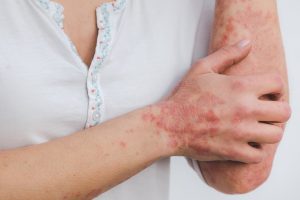
Psoriasis is a common immune-mediated skin condition affecting millions of Americans. Some preclinical research suggests topical CBD may help with inflammation and itching.
There is no good evidence that CBD works better than standard psoriasis treatments. Don’t stop a prescribed treatment to switch to CBD.
4. Eczema
Eczema (atopic dermatitis) results from a mix of genetics, immune factors, and a weak skin barrier. Triggers can include irritants, allergens, dry air, and stress, and it is itchy and uncomfortable.
Moisturizing creams can ease dryness. A review of CBD for skin health notes that preclinical evidence for eczema and itching looks promising, but clinical proof is still missing.
People with eczema often have sensitive skin, so patch-test any new product, including fragranced CBD creams.
5. Muscle and Joint Pain, and Arthritis
Arthritis is a leading cause of disability. The most common type, osteoarthritis, is wear-related joint damage, while rheumatoid arthritis is autoimmune. Infections such as Lyme disease can also cause arthritis.
CBD creams and other topical products haven’t been approved for treating arthritis. Some users report relief, but high-quality trials in people are lacking, so results may not match the marketing.
Endnote
CBD is a hemp compound with anti-inflammatory and antioxidant effects in lab studies. Whether CBD creams help specific skin conditions in people is still unproven.
If you want to try one, use products with batch lab results, such as Joy Organics CBD creams. See a dermatologist for any skin condition that is severe, spreading, or not improving.
Sources
- Therapeutic Potential of Cannabidiol (CBD) for Skin Health and Disorders, Clinical, Cosmetic and Investigational Dermatology
- Antioxidative and Anti-Inflammatory Properties of Cannabidiol, Antioxidants (PMC)
- What You Need to Know About Products Containing Cannabis or Cannabis-derived Compounds, Including CBD, U.S. Food and Drug Administration