Essential Oils for Snoring and Sleep Apnea: What They Can and Can't Do
Contents
- Nighttime Symptoms
- Daytime Symptoms
- Sweet Marjoram Essential Oil
- Thyme Essential Oil
- Lavender Essential Oil
- Eucalyptus Essential Oil
- Frankincense Essential Oil
- Prime Natural Breathe Blend
- Sky Organics 100% Pure Organic Peppermint Oil
- Banyan Botanicals Nasya Oil
- Healing Properties Premium Chamomile Oil
- Beauty Aura Thyme Essential Oil
- Sources
Sleep apnea is a condition in which you temporarily stop breathing, or more realistically, have pauses in breath. The snoring that goes along with it can be frustrating and keep you from getting the sleep that you need.
Sleep apnea is common, and it can be serious. Untreated, it raises the risk of stroke and heart attack, according to the National Heart, Lung, and Blood Institute.
Former Texas Rangers slugger Prince Fielder said he stopped breathing a massive 39 times in an hour during a sleep study.
Sleep apnea is diagnosed with a sleep study ordered by a healthcare provider, either in a lab or at home with a device such as Watchpat.
Essential oils do not treat sleep apnea. The proven treatments are breathing devices such as CPAP, oral devices and lifestyle changes.
Some people still enjoy aromatherapy as a relaxing part of a bedtime routine. This guide covers the oils people use for that, and how to use them safely.
Our Top Picks For Bedtime Essential Oils
Click Here To Check Latest Price
The Three Types Of Sleep Apnea
The word ‘apnea’ means ‘without breath’ and whilst all forms of sleep apnea cause a person to temporarily stop breathing, the root cause of the problem may be different. There are three main types of sleep apnea:
- Obstructive Sleep Apnea – this is the most common form of sleep apnea and is caused by a blockage in the airway. This blockage is usually the soft tissue found in the back of the throat.
- Central Sleep Apnea – in this case, the airway isn’t blocked but the messages from the brain fail to signal the muscles to breathe.
- Mixed Sleep Apnea – as the name suggests, this type of sleep apnea is a combination of the two.
Symptoms Of Sleep Apnea
Whilst sleep apnea is more common amongst those who are over 40 and overweight, it’s not confined to this demographic. Young people, even children, can be sufferers of sleep apnea.
There are some common symptoms that indicate sleep apnea as a problem, and these are not just related to your sleeping habits, your behavior during the day can help diagnose sleep apnea as a problem.
Nighttime Symptoms
- Loud persistent snoring
- Pauses in breathing, noticed by a witness such as your partner
- Choking or gasping for air
- Restless sleep
- Frequent trips to the bathroom
Daytime Symptoms
- Early morning headaches
- Excessive fatigue throughout the day
- Poor concentration
- Increased feelings of depression or irritability
- Sleepiness during everyday activities
If you’re experiencing a combination of these symptoms, it’s best to seek advice from a medical or sleep professional. If left untreated, sleep apnea can lead to serious health problems such as high blood pressure, heart attack and stroke.
What Essential Oils Can And Can't Do
Sleep apnea needs professional treatment. Essential oils cannot open a blocked airway or stop breathing pauses during sleep.
The evidence for sleep benefits is thin. The National Center for Complementary and Integrative Health says little rigorous research has been done on aromatherapy for insomnia.
Still, some people find a scent they enjoy relaxing at bedtime. Strong scents like peppermint and eucalyptus may make a stuffy nose feel clearer, but they do not reduce apnea events.
Essential oils are not risk-free. They can irritate the skin and cause allergic reactions, and some are poisonous if swallowed, so keep them away from children and pets.
How Do I Use Oils Correctly?
Essential oils can be used in a number of different ways to help relieve the symptoms associated with sleep apnea. Always dilute essential oils in a carrier oil, such as almond or coconut oil, before they touch your skin.
Do not put oils inside your nostrils or right at their edge, where they can irritate the lining of the nose.
Another, easy way is to combine the oil in a bowl with warm water. Cover your head with a towel and lean over the bowl to inhale the oil. The steam may help a stuffy nose feel clearer before bed. Keep your eyes closed and take care not to burn yourself.
For relief that lasts through the night, use a diffuser. Simply place it beside your bed and fill with your chosen oil. Run it in a ventilated room and follow the maker's directions.
Finally, some oils can be massaged onto parts of your body that are seemingly unrelated to breathing. For example, some people like diluted lavender oil massaged into the feet as part of a relaxing bedtime routine.
The Best Essential Oils For Sleep Apnea
There are many good essential oil companies, but one company, in particular, stands out from the crowd. Plant Therapy Essential Oils is a U.S. essential oil company with a wide range of single oils and blends.
Here are five Plant Therapy oils people often choose for a bedtime routine. None of them will stop sleep apnea.
Sweet Marjoram Essential Oil
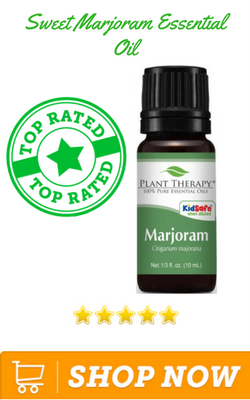
Sweet marjoram oil is at the top of the list of essential oils for sleep routines. Some people find its warm scent calming.
There is no good evidence that it opens the airway or strengthens throat muscles. Use it in a diffuser made for essential oils, or dilute it before rubbing it on your feet.
Thyme Essential Oil
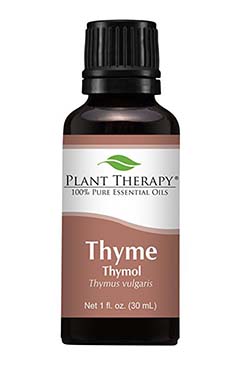
Thyme has a long history in traditional cough remedies, but there is no good evidence that thyme oil helps sleep apnea or snoring.
Undiluted thyme oil can irritate the skin. Dilute it with a carrier oil, such as coconut oil or sweet almond oil, and apply it to your chest or feet, not under your nose. It can also be used in a diffuser.
Lavender Essential Oil
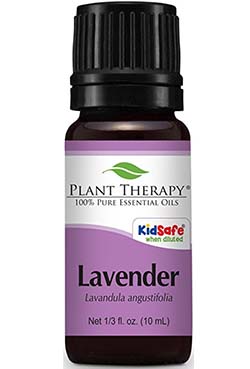
Lavender is a popular oil for many reasons, namely because it’s so helpful for relaxation.
Some people use it to unwind at bedtime, including people who struggle with anxiety issues. It will not treat sleep apnea, but a relaxing routine may help you fall asleep.
Try rubbing a few drops, diluted in a carrier oil, on your feet before you go to sleep.
You can also fill a small spray bottle with half rubbing alcohol and half water along with 10-20 drops of lavender oil and give your pillow a light mist.
Many people find the scent relaxing.
Eucalyptus Essential Oil
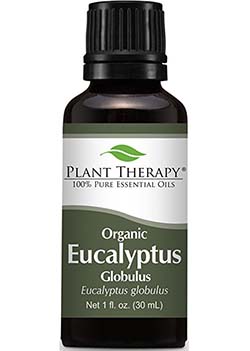
Eucalyptus oil’s strong scent may make a stuffy nose feel clearer when you have a cold or allergies.
Eucalyptus oil needs to be diluted with a carrier oil before it’s applied, and it is poisonous if swallowed. Never use it on or near the face of a baby or young child.
In addition, it’s a good idea to add a few drops to a bowl of steaming water, put a towel over your head and the bowl, and then inhale for a few minutes.
Frankincense Essential Oil
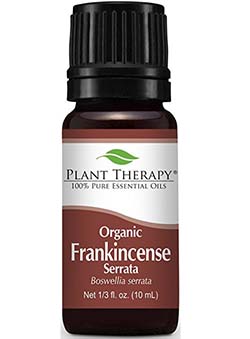
Frankincense oil has a woody scent that some people find calming. Claims that it soothes the throat, clears mucus or stops snoring are not backed by good evidence.
Dilute a few drops of frankincense oil before rubbing it on your chest or feet.
Another use is in a diffuser or, if you want, you can put a few drops on a washcloth and run it over your skin in a hot shower.
These five are popular choices for a relaxing bedtime routine, not treatments for snoring or sleep apnea.
Plant Therapy markets its oils as 100% pure and undiluted. Note that “therapeutic grade” is a marketing term, not an official quality standard.
Plant Therapy also sells a “KidSafe” line. Ask a pediatrician before using any essential oil around babies or young children.
If you have sleep apnea symptoms or loud nightly snoring, see a doctor first. Essential oils can be a pleasant extra, but they are no substitute for treatment.
Here are five more oils and blends people use.
Five More Essential Oils For Sleep Apnea
Prime Natural Breathe Blend
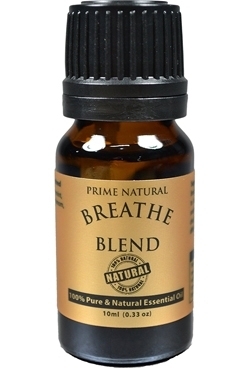
If you prefer a ready-made blend, consider Prime Natural’s Breathe Blend.
Made with a combination of eucalyptus, peppermint, tea tree and lavender, it has a fresh scent that some people find relaxing at bedtime.
It will not treat sleep apnea or stop snoring.
Use the dropper to add a few drops to your diffuser and follow the label directions.
Sky Organics 100% Pure Organic Peppermint Oil
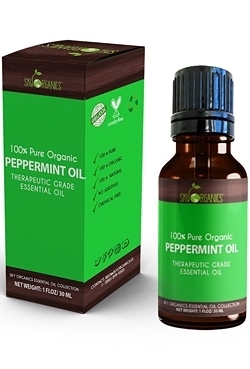
Peppermint oil’s menthol scent can make breathing through the nose feel easier, even though it does not actually open the airway.
Sky Organics markets this oil as pure and free of additives.
It can be added to a diffuser, or diluted and applied to your chest.
To avoid irritation, it’s best to mix Sky Organics Peppermint Oil with a carrier oil, such as almond oil, before applying it to your skin.
Keep peppermint oil away from the faces of babies and young children. It is versatile, but it will not keep sleep apnea symptoms at bay.
Banyan Botanicals Nasya Oil
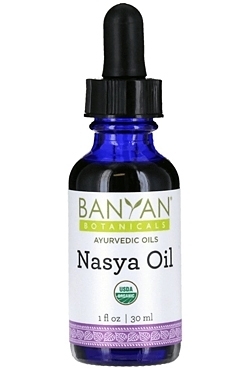
Nasya Oil by Banyan Botanicals is an Ayurvedic herbal oil meant to moisturize the inside of the nose. Some people use it when the air is dry.
It does not treat sleep apnea. Follow the label directions and use it sparingly.
Talk to your doctor before putting any oil inside your nose regularly, because oil that is breathed in can irritate the lungs.
The mix of oils is safe for most users, but advice should be sought from a medical professional if you’re pregnant or suffer from a medical condition.
Healing Properties Premium Chamomile Oil
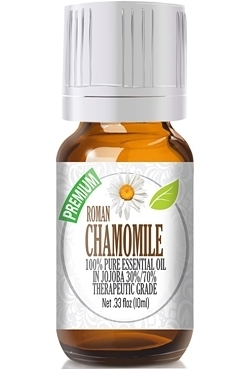
Chamomile has a long history with providing calming effects.
Some people find its scent calming.
The combination with jojoba oil offers a pleasant scent and works well in diffuser next to your bed.
You can also rub a few drops onto your chest before bed. Skip it if you are allergic to ragweed or related plants.
Feeling calmer may help you fall asleep, but chamomile will not treat sleep apnea.
Beauty Aura Thyme Essential Oil
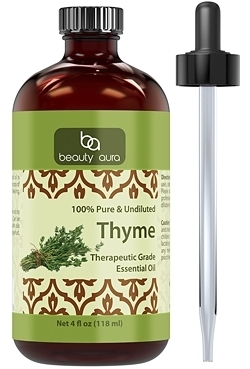
Lab studies suggest thyme oil has antimicrobial properties, but that does not make it a sleep aid or a sleep apnea treatment.
If you use it in a massage, combine it with a carrier oil, such as almond oil. Undiluted thyme oil can irritate or burn the skin.
It can also be used in a diffuser. The dropper applicator makes it simple to use.
In Conclusion…
Sleep apnea is a serious medical condition that needs diagnosis and treatment from a healthcare provider. PAP machines, oral devices, a healthy weight, side sleeping and limiting alcohol are proven approaches.
Essential oils can be a pleasant part of a bedtime routine. Use them diluted and in a ventilated room.
See a doctor if you snore loudly, stop breathing or gasp at night, or feel very sleepy during the day.
Sources
- Sleep Apnea: What Is Sleep Apnea?, National Heart, Lung, and Blood Institute
- Sleep Apnea: Treatment, National Heart, Lung, and Blood Institute
- Aromatherapy, National Center for Complementary and Integrative Health