
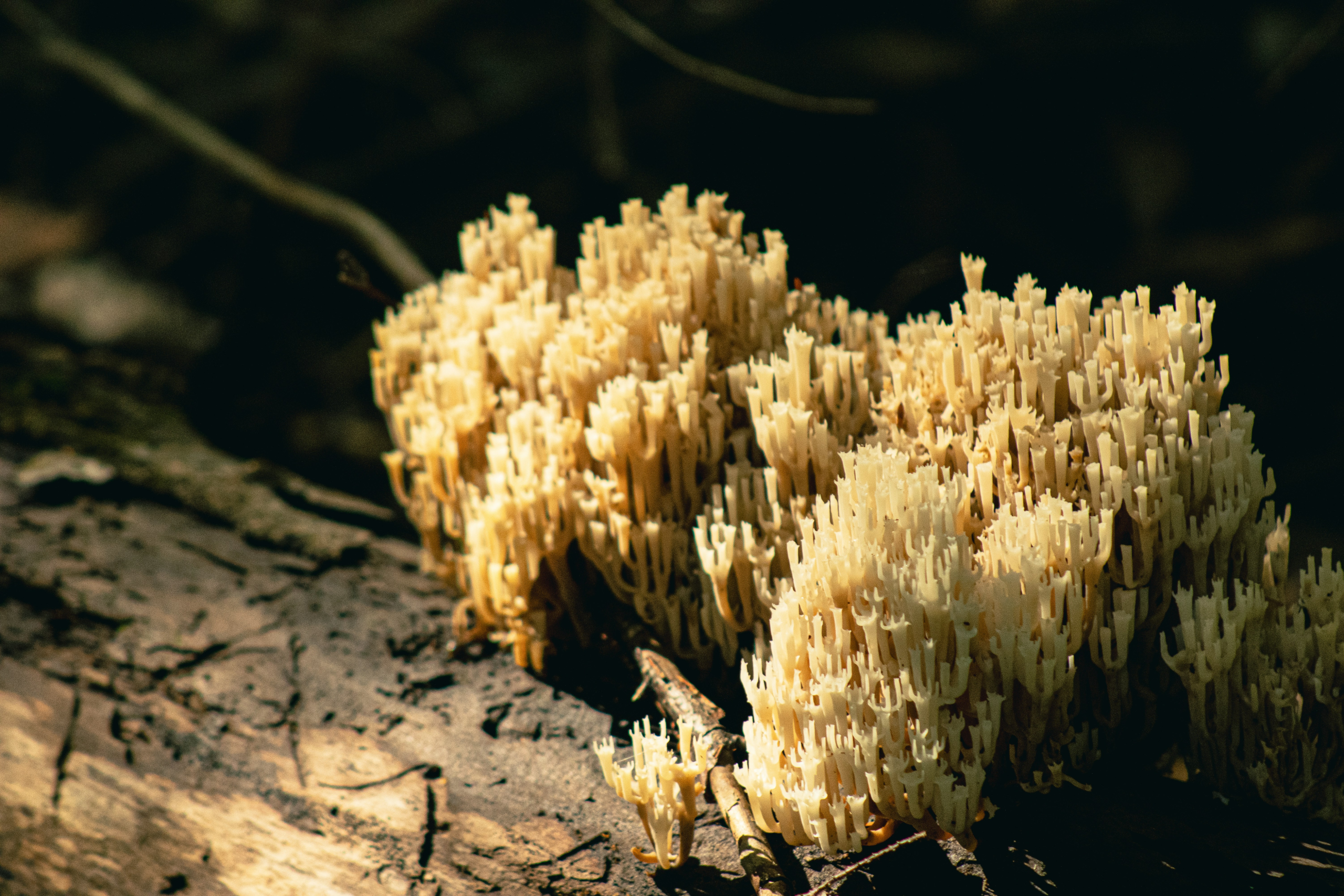
The Microscopic World under Fungi
Fungi occupy much of our planet’s biodiversity and inhabit ecological niches from the forest floor to our refrigerator shelves. While these organisms often go unnoticed, their profound impact and intricate structures deserve attention. The microscopic world under fungi reveals a fascinating universe of complexity that influences ecosystems and human life significantly.
The Unseen Kingdom
Fungi, neither plant nor animal, form a kingdom of their own. They play a part in nutrient cycling, breaking down dead organic material, and even forming symbiotic relationships with plants that facilitate mutual growth and survival.
Their often-microscopic structures, mycelium, weave through soil like an underground network, connecting roots and enabling plants to share resources and communication.
Beyond interacting with plant systems, fungi engage with other organisms, acting as an intermediate in nutrient transfer. Certain fungi have evolved complex relationships with insects, using them as vectors for spore dispersal, while also providing a food source.
This symbiotic dance demonstrates fungi’s adaptive ability to inhabit various ecological roles, benefitting both fungi and their partners.
Spores: The Seeds of Fungi
Microscopic yet powerful, fungal spores serve as the vehicle through which fungi reproduce and disperse. These resilient structures float through the air, infiltrate nearly every habitat, and patiently wait for the optimal conditions to give birth to new fungal growth. Biologists estimate that there are about 1.5 million species of fungi, yet only a fraction have been described.
Fungal spores, profoundly adaptable, have evolved to survive extreme temperatures, low oxygen environments, and even acidic or alkaline soils, making them master invaders of new territories.
The exploration of these spores and their properties is an intriguing area of study for scientists and mycologists alike. Growing resources, such as golden teacher mushroom spores, provide valuable insights into the characteristics and development of various fungal species. These studies enrich our understanding of their resilience and adaptability in different ecosystems.
The capacity for spores to endure such extremes also presents opportunities for studying life’s adaptability.
When conditions become unfavorable, spores remain dormant, lying in wait for years or even decades until circumstances shift. This resilience mirrors the survival strategies seen in other microscopic life forms, granting researchers invaluable insights into life processes under extreme conditions.
Fascinating Partnerships
Fungi do not act purely as decomposers, however. Some species, known as mycorrhizae, form mutually beneficial partnerships with plants. Through this association, plants offer sugars and nutrients, while fungi extend their root systems, improving water and nutrient absorption.
These symbiotic relationships can enhance plant resilience against disease and stress, illustrating the integrated and sophisticated system right under our feet.
Additionally, the promising area of biocontrol taps into fungi’s natural roles in ecosystems. By leveraging fungi’s ability to outcompete pathogens or pests, agricultural sectors explore sustainable practices to reduce chemical usage and enhance crop health. Such strategies highlight the promise of harnessing nature’s own solutions to improve food systems worldwide.
Decomposers Par Excellence
The ability of fungi to break down tough materials such as lignin — the compound that gives wood its rigidity — highlights their value in natural recycling processes. Enzymes secreted by fungi digest organic matter into simpler molecules, ultimately enriching the soil with essential nutrients for plant growth.
Without fungi, the earth’s forests would be buried under their own debris, and the carbon cycle would grind to a halt.
In many cases, the decomposition process facilitated by fungi also impacts climate regulation. When organic matter breaks down, carbon dioxide and other gases return to the atmosphere, maintaining a delicate balance within the global carbon system.
An understanding of how different fungi contribute to this process is essential for predicting impacts on climate change, as these hidden agents quietly facilitate the earth’s air and soil systems.
Beyond the Obvious: Fungal Pathogens
Despite their roles, some fungi pose threats. Certain fungi are notorious for wreaking havoc on crops, affecting food security worldwide and challenging agricultural industries. Pathogens like rusts and smuts can devastate staple crops, while
Aspergillus produces toxins in stored grains. In the medical field, fungi such as Candida and Cryptococcus threaten immune-compromised individuals, representing another facet of fungi’s dual roles in the ecosystem.
Addressing fungal pathogens requires interdisciplinary collaborations across research communities to develop accurate identification methods, treatment protocols, and resistance management plans. Understanding pathogen behavior and improving early detection are vital for minimizing fungal threats, protecting both agricultural productivity and human health.
The Promise of Fungi: Pharmaceuticals and Beyond
The scientific community increasingly recognizes fungi’s pharmaceutical potential. From antibiotics like penicillin to cholesterol-lowering drugs, fungi-inspired compounds offer promising medical breakthroughs. Recent studies have explored fungi’s capabilities in bioremediation and even the development of innovative materials.
Such discoveries remind us that even the smallest organisms can lead to bold strides in scientific progress.
Environmental restoration also benefits from fungal applications. By breaking down pollutants in contaminated areas, fungi contribute to cleaning ecosystems burdened by industrial waste.
This capacity for environmental stewardship points to an interdisciplinary future where biological, chemical, and engineering fields jointly tackle global challenges, emphasizing fungi’s enduring role in fostering a sustainable planet.
Final Words
The microscopic world under fungi offers insights into the planet’s delicate balance between life and death, integration and isolation. These organisms seamlessly bridge various ecosystems, offering vast possibilities and challenges alike. Whether as nature’s decomposers, partners, pathogens, or pharmaceutical resources, fungi inspire both awe and appreciation.
As unseen powerhouses of ecosystems, they warrant attention, study, and understanding, heralding unseen futures our world could evolve to embrace.