The Link Between Toddlers’ Sleepwear and a Good Night’s Sleep
Contents
- Comfort is King
- Material Matters
- Proper Fit
- Seasonal Considerations
- Safety First
- Flame Resistance
- Avoid Loose Accessories
- No Drawstrings
- Temperature Regulation
- Layering
- Sleep Sacks
- Sleep-Inducing Patterns
- Soft Colors
- Familiar Characters
- Comfort Zones and Preferences
- Ask for Input
- Sensory Sensitivities
- A Good Night’s Sleep for Everyone
- Sources
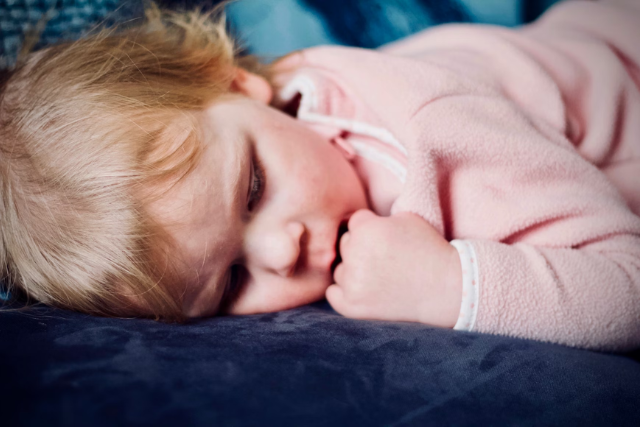
Toddlers grow by the day, which requires an insane amount of energy, and, therefore, sleep. Good sleep is not only essential for a toddler’s physical and mental development but also for your own sanity as a parent.
While a consistent bedtime routine and a cozy sleeping environment play vital roles in helping toddlers sleep well, one often ignored factor is the choice of sleepwear.
Comfort is King
First and foremost, the primary purpose of sleepwear for toddlers is to ensure their comfort. Uncomfortable or ill-fitting sleepwear can lead to restlessness and frequent awakenings throughout the night.
To ensure your toddler gets a good night’s sleep, consider the following factors when selecting their sleepwear:
Material Matters
Choose sleepwear made from soft, breathable materials like cotton. These materials help regulate body temperature and wick moisture away from the skin, preventing your toddler from getting too hot or too cold during the night. Avoid fabrics that may cause irritation, such as rough seams or synthetic materials that trap heat and sweat.
Proper Fit
Select sleepwear that fits well but allows freedom of movement. Tight sleepwear can be uncomfortable and restrict your toddler’s ability to move around comfortably. On the other hand, excessively loose sleepwear can pose safety risks, as it may become tangled or twisted.
Seasonal Considerations
Adapt your toddler’s sleepwear to the season. In colder months, opt for long-sleeved pajamas and maybe even a sleep sack to keep your child warm. During warmer months, lighter, short-sleeved options or even just a comfortable onesie may suffice.
Safety First
Safety is a paramount concern when it comes to toddlers and sleepwear. Choosing the right sleepwear can reduce the risk of accidents and ensure a safer sleeping environment:
Flame Resistance
In the U.S., Consumer Product Safety Commission sleepwear rules require children's sleepwear above infant sizes and up to size 14 to either pass flammability tests or be tight-fitting. Snug-fitting cotton pajamas meet the rule; loose, flowing cotton nightgowns or oversized T-shirts are not designed as sleepwear.
Whatever your toddler wears, keep them away from candles, heaters and open flames.
Avoid Loose Accessories
Steer clear of sleepwear with loose strings, ribbons, or other accessories that can pose choking or entanglement hazards.
No Drawstrings
Avoid sleepwear with drawstrings around the neck or waist, as they can also pose a strangulation risk.
Temperature Regulation
One of the most common reasons toddlers wake up during the night is discomfort due to temperature changes. Proper toddler clothing can help your toddler maintain a stable body temperature throughout the night:
Layering
Consider using a layered approach to sleepwear, especially during colder months. You can add or remove layers as needed to ensure your toddler stays comfortable.
Sleep Sacks
Sleep sacks, also known as wearable blankets, are a great option. They provide warmth and security without the risk of blankets being kicked off or covering your toddler’s face.
Sleep-Inducing Patterns
There's little research on whether pajama colors affect sleep, but calm, familiar sleepwear can be part of a bedtime routine that signals it's time to wind down. Opt for soothing, calming colors and patterns that signal bedtime. Avoid bright and stimulating designs that might excite your toddler when it’s time to wind down:
Soft Colors
Colors like pastel blues, soft pinks, and muted greens may add to a calm bedtime feel, though a consistent routine matters far more than color.
Familiar Characters
If your child has a beloved character or cherished stuffed animal, consider choosing sleepwear that features them. This thoughtful choice can offer an extra layer of comfort and security, providing a sense of familiarity and reassurance.
Comfort Zones and Preferences
Every toddler is unique, and what works for one may not work for another. Pay attention to your child’s preferences and comfort zones:
Ask for Input
As toddler continues to grow, it’s natural for them to develop preferences when it comes to sleepwear. Whenever possible, involve them in the decision-making process to empower their choices and foster independence.
Sensory Sensitivities
Some toddlers may have sensory sensitivities that influence their sleepwear preferences. Be attentive to any signs of discomfort and adjust accordingly.
A Good Night’s Sleep for Everyone
Sleepwear is only one part of good toddler sleep, but it does matter. When your child sleeps well, it not only benefits them but also contributes to a more peaceful night for parents. To summarize, here are some key takeaways for choosing the right sleepwear for your toddler:
- Prioritize comfort with soft, breathable materials and a proper fit.
- Ensure sleepwear is appropriate for the season to prevent temperature-related disruptions.
- Focus on safety by choosing flame-resistant or snug-fitting options and avoiding loose accessories and drawstrings.
- Opt for soothing colors and patterns that promote a relaxing bedtime atmosphere.
- Be attuned to your child’s preferences and sensory sensitivities.
Ultimately, the right sleepwear can contribute to a peaceful and restful night’s sleep for your toddler, setting the stage for a healthier and happier day ahead for both child and parent. So, the next time you’re shopping for sleepwear for your little one, remember that making the right choice isn’t just about fashion; it’s about fostering a good night’s sleep.
A steady bedtime and wake time help too. If your toddler regularly struggles to fall or stay asleep, snores loudly, or seems very tired during the day, talk with their pediatrician.
Sources
- Children's Sleepwear Regulations, U.S. Consumer Product Safety Commission
- Healthy Sleep Habits, National Heart, Lung, and Blood Institute