Light Dinner Recipes For A Good Night Sleep
Contents
When people give advice on how to get better sleep it usually has to do with limiting electronics and keeping your bed clean. There’s one important aspect that affects the sleep that you’re probably overlooking, that’s dinner.
In order for the body to carry out its daily functions such as hormone regulation and neurotransmitters (both needed for sleep), certain nutrients are needed. Some foods can impact your physical comfort, maybe giving you headaches, increasing heart rate, or stomach cramps. Researchers are still learning how diet and sleep affect each other, but there is good evidence that the two are linked.
What Type Of Foods Will Aid Your Sleep?
- Nutrient-rich: According to the NCBI, a large U.S. survey study found that people who slept very short hours tended to take in less of some nutrients, such as vitamin C, zinc, iron and selenium. That study shows a link, not proof that low intake causes poor sleep.
- Less fat: fried food and high-fat meals (usually meats) are commonly related to indigestion which may cause stomach cramps at night and physical discomfort.
- Balanced meals: you don't need a special diet to sleep well. Some small studies suggest a carbohydrate-containing dinner may help some people fall asleep faster, so there's no need to cut carbs completely at dinner.
- Easy to digest: find out which foods don’t work well with your digestive system, everyone’s body is different.
- Not stimulating: nothing with too much sugar or caffeine in it.
Dinner Meals For Better Sleep
1. Taco Rice Bowl
With your rice bowl choose a lean protein to complement such as chicken, turkey, or black beans with a mixture of low sodium spices. Make some jasmine rice and add some lime juice and zest to the meat, then top the meal with some cilantro.
This meal allows you to get in all of the food groups. You have vegetables, carbohydrates, and proteins. For a full range of sleep-supporting, tasty nutrients, serve with a simple pico de gallo salsa with shredded red cabbage.
Add some avocado for healthy unsaturated fats and potassium. The best thing about this recipe is that it can easily be catered for vegetarians and meat lovers. The trick as a meat eater however is to choose a lean protein, remembering to cut out those hard-to-digest fats.
Another great thing about this recipe is that you can make the meat and taco sauce to stick in the freezer. This recipe is super easy and healthy, plus it tastes great.
2. Wraps
Wraps and sandwiches are always a practical solution when it comes to a good and balanced meal. If you’re a meat-eater, using a low sodium turkey meat or rotisserie breast are great low-fat options of protein.
Turkey is a lean protein that provides B vitamins and minerals. It contains tryptophan, but so do most protein foods, and turkey alone won't make you sleepy. Wrap some nice greens, tomatoes, and your favorite vegetables in a tortilla or in a flatbread. If you are prone to indigestion, chili peppers or spicy sauces are one thing you may skip.
If you are looking for a vegetarian option for this meal you can use tofu or seitan. These two non-meat proteins can be cooked on the pan or in the oven. A great hack for an increased burst of flavor is to marinade these proteins for half an hour before cooking them.
Both of these are low in fat and very easy to digest. Pair this meal with a lively side salad, bake some homemade french fries, a bag of chips, or some sliced fruit for a touch of sweetness. 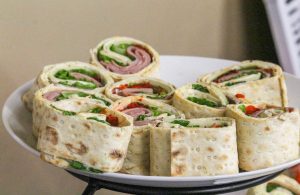
3. Quinoa Salad
As one of the world’s most popular health foods, quinoa is also great for a good night’s sleep. Quinoa contains, healthy carbs and proteins, phosphorus, potassium, lutein, and zeaxanthin, along with other minerals. It also provides more fiber than refined grains such as white rice.
Fiber can help steady blood sugar, lower cholesterol and keep you full. So a quinoa salad at dinner does more than round out your evening meal.
Cook and combine chopped tomatoes, baby greens, olives, dried currant, maize, scallions, and walnuts into the cooled quinoa. Top the salad with a dressing or vinaigrette.
If you are looking for more protein to add to the meal you can add a hard-boiled egg, some salmon, or chickpeas. This salad is also a great option for anyone who is gluten-free. If you have given up on staple foods such as bread or pasta then quinoa is a good carbohydrate to incorporate into your diet.
4. A Hearty Chicken Soup
It is simple to see why chicken broth, with its relaxing heat, rich fragrant scent, and traditional flavor profile, is American comfort food. Soups are usually pleasant and can be an easy means of getting a little hydration and healthy veggies into your diet. Chicken is one of the animal proteins that is leaner and has a less fat content.
The lightness of chicken broth also makes it a great alternative for those who are feeling under the weather or lack appetite. Either way, chicken broth is a good choice for a wholesome dinner that is nutritious and easy to digest.
Chicken broth can be consumed in a number of dishes, by itself, through a creamy chicken casserole or a noodle soup. There are thousands of homemade recipes to try. Broth-based soups are usually low in calories; choose a low-sodium broth to keep salt in check.
Begin by sautéing garlic, onions, and carrots, then throw in some chopped mushrooms. Add reduced-sodium broth, fresh sliced tomatoes, and other veggies that you enjoy. Finally, toss in the chopped cooked chicken and a few shredded spinach or greens.
5. Vegetable Marinara Sauce And Pasta
If you are a pasta lover but are struggling to find a meal that fits the criteria in aiding sleep then this one is for you. Marinara sauces are easy to create, and a ton of lycopene is packed in a cooked tomato base.
Onion, garlic, minced carrots and portobello mushrooms add flavor, fiber and extra nutrients. In the end, you’re really just adding a big scoop of nutritious and delicious vegetables to some filling carbohydrates. Partner with whole grain or even bean-based pasta to make a well-balanced meal.
If you really need some meat in the meal then choose a lean protein such as fish, chicken, or turkey.
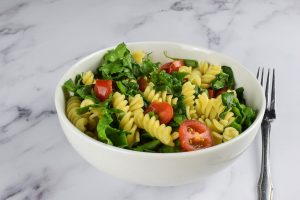
Tomatoes and carrots supply vitamin C and vitamin A, which your immune system needs. The exact amounts depend on your recipe and portion size.
Because it is mostly vegetables and pasta, this meal is easy for many people to digest. Tomato sauce can trigger heartburn in some people, so eat it earlier in the evening if reflux is an issue. With the good carbohydrates, it is also filling and satiating. This is a great meal that can also be easily made using the instant pot, find more information on Corrie cooks.
Marinara sauce can be frozen, this makes it a good meal to cook and pre-plan for those busy days or days when you don’t want to cook dinner. Having healthy frozen meals ready in your fridge prevents you from eating unhealthy and possible indigestion-causing foods before bed.
As a general rule, avoid heavy or large meals within a few hours of bedtime, as the National Heart, Lung, and Blood Institute advises. Caffeine's effects can last up to 8 hours, so skip coffee, tea, cola and chocolate in the late afternoon and evening.
To help your mind and body unwind before sleep, enjoy a warm, caffeine-free drink such as a steaming cup of milk or a vitamin-infused sleep topic as part of a calm bedtime routine. What you eat and drink before bedtime can have a huge impact on your sleep quality. That said, try the recipes above for some much-needed uninterrupted sleep.
If you regularly struggle to sleep despite good habits, talk with a doctor. Ongoing insomnia or nighttime reflux can need treatment.
Sources
- Healthy Sleep Habits, National Heart, Lung, and Blood Institute
- Dietary nutrients associated with short and long sleep duration, Appetite (via PubMed Central)
- Sleep problems, NHS Every Mind Matters