Can you Overdose on CBD – How Much is Too Much?
Contents
CBD is everywhere, in oils, tinctures, edibles, topicals, drinks and cosmetics. Many people still wonder: can you overdose on CBD?
The short answer: a fatal CBD overdose hasn’t been documented, but you can take too much. High doses can cause side effects, and CBD can interact with other medicines.
People worry because CBD comes from the cannabis plant. Hemp-derived CBD is sold legally in many places, while THC is the compound in marijuana that causes a high.
Secondly, many people buy CBD products from online stores, like Happy Garden CBD, and choose a dose on their own without talking to a doctor. That makes it worth knowing how much is too much.
What is Overdose?
Overdose can mean taking an amount that is life-threatening. It can also mean taking more than your body handles well, which causes unwanted effects.
Both are worth avoiding, so it helps to know the facts about CBD.
Can You Overdose on CBD?
No deaths from CBD alone have been documented. A World Health Organization review found CBD is generally well tolerated with a good safety profile, and that many reported side effects may come from interactions with other medicines.
THC is different. Too much THC, especially from edibles, can cause severe anxiety, vomiting, a racing heart and confusion. Children who eat THC edibles by accident can become seriously ill.
Even with CBD, more isn’t better.
There’s no standard dose for over-the-counter CBD. The FDA says unapproved CBD products haven’t been evaluated for dosing, drug interactions or side effects. The only FDA-approved CBD drug, Epidiolex, is a prescription seizure medicine.
How CBD affects you depends on your weight, other medicines, health conditions and the product itself. Labels aren’t always accurate either.
What are the Side Effects of Too Much CBD?
Clinical studies have used doses ranging from about 100 to 800 mg a day, much higher than most consumer products. Higher doses are more likely to cause side effects, and liver problems have shown up in some studies.
The NIH lists these possible side effects of CBD:
- Sleepiness and reduced alertness
- Diarrhea and other stomach upset
- Changes in appetite
- Changes in mood
- Abnormal liver tests (liver injury)
- Interactions with other medicines
CBD can interact with blood thinners, some seizure drugs and other medicines. If you take any prescription, check with your doctor or pharmacist first.
Don’t drive or use machinery if CBD makes you sleepy. If a child swallows a CBD or THC product, or someone has severe symptoms, call Poison Control at 1-800-222-1222 or 911.
Can You be Addicted to CBD Products?
As CBD has become popular, people ask whether it can be addictive.
The WHO review found that, in humans, CBD shows no signs of abuse or dependence potential.
That applies to CBD itself. Some products contain more THC than their labels state, and THC can be habit-forming. Choose products with a third-party lab report showing THC content.
Legal limits for hemp-derived THC vary by location, so check the rules where you live.
Final Words
A fatal CBD overdose is very unlikely, but taking too much can cause sleepiness, stomach upset and liver problems, and CBD can interact with your medicines.
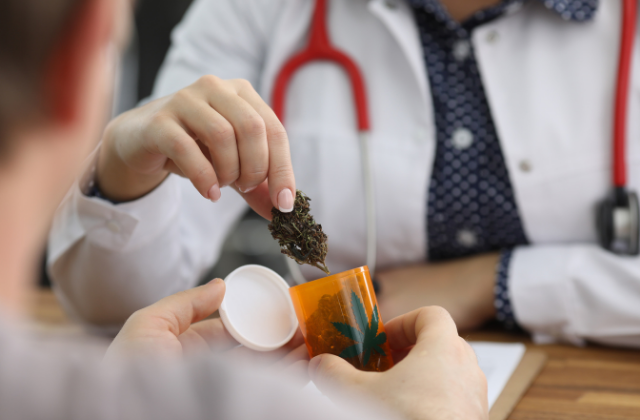
Start low, use a third-party-tested product and talk with your doctor about whether CBD is right for you. If you notice side effects, stop taking it and contact your doctor.
Sources
- Cannabidiol (CBD) Critical Review Report, World Health Organization
- FDA Regulation of Cannabis and Cannabis-Derived Products, Including Cannabidiol (CBD), U.S. Food and Drug Administration
- Cannabis (Marijuana) and Cannabinoids: What You Need To Know, NCCIH