Can You Consume CBD Products In Winter?
Contents
- What Does CBD Target In Winters?
- What CBD Can and Can’t Do for Winter Struggles
- 1. Winter Low Mood
- 2. Chronic Pain
- 3. Winter Dryness And Skin Issues
- 4. Seasonal Affective Disorder (SAD)
- 5. Colds and Flu
- 6. Side Effects to Know
- 7. Quitting Smoking
- What About The Sports Enthusiasts? Can CBD Help To Increase Athletic Strength?
- Conclusion
- Sources
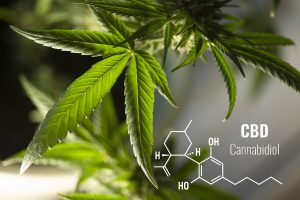
Winter can be hard on your body. Cold, dry air dries out skin, shorter days can drag down mood, and colds and flu make the rounds.
And…
Many people wonder whether cannabidiol (CBD) can help. The short answer: yes, you can use CBD products in winter the same as any other time of year, but CBD isn’t a cure for winter ailments, and the evidence for most claims is limited.
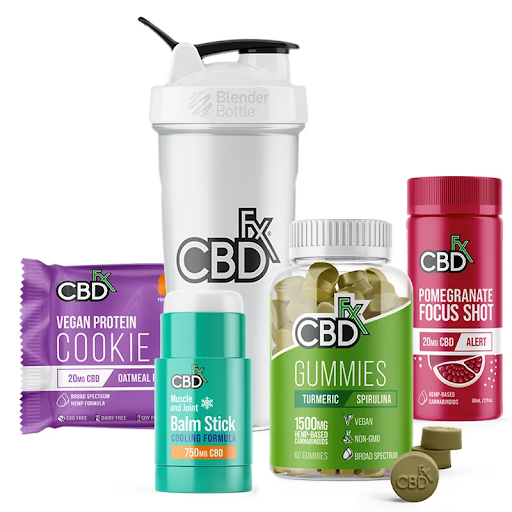
CBD oil from https://cbdfx.com and other brands is sold year-round. CBD interacts with the body’s endocannabinoid system, a network of receptors involved in keeping many body functions in balance, a process called homeostasis.
How much that matters for everyday health is still being studied. The FDA says Epidiolex, a seizure medicine, is the only FDA-approved drug containing CBD, and it has warned companies that claim CBD treats or cures diseases.
What Does CBD Target In Winters?
Dry winter air can leave skin tight and itchy. Some research suggests that CBD is a skin soother when applied to the skin, but studies are small.
CBD doesn’t treat colds or flu. For those, rest, fluids and your usual care apply, and a flu shot is the best protection.
What CBD Can and Can’t Do for Winter Struggles
1. Winter Low Mood
Shorter days can bring on the winter blues. Some people say that CBD oil can counteract this low mood, but there’s no good evidence that CBD treats depression.
CBD doesn’t protect your heart or prevent heart attacks.
2. Chronic Pain
Many people notice joint pain more in cold weather. Research on cannabinoids for chronic pain shows, at best, a small benefit.
A 2018 review summarized by the NIH found that about 29 percent of people taking cannabinoids got meaningful pain relief, compared with 26 percent on placebo.
CBD isn’t a replacement for the pain treatment your doctor recommends.
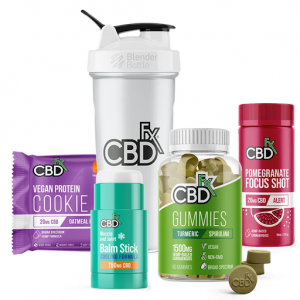
Some people take products such as CBD capsules 1000mg for aches and pains. Check the dose per capsule, start low and ask your doctor first, especially if you take other medicines.
Evidence that CBD relieves arthritis, migraine or injury pain is still limited.
3. Winter Dryness And Skin Issues
Cold weather makes skin dry and itchy. A moisturizer used right after bathing, a humidifier and lukewarm showers are proven first steps.
Some people like CBD creams or balms, which are generally low-risk on the skin. They don’t cure skin conditions, and broken or infected skin needs a doctor’s care.
4. Seasonal Affective Disorder (SAD)
Seasonal Affective Disorder (SAD) is a type of depression that causes low mood, sleep changes and low energy in the darker months. If you think you have it, see a health care provider before you try out CBD or other products.
Proven treatments for SAD include light therapy, talk therapy and medication.
5. Colds and Flu
CBD doesn’t cure or prevent colds or flu.
There’s no good evidence that CBD boosts your immune system or helps you fight off seasonal illness.
A healthy diet, regular exercise, good sleep, handwashing and recommended vaccines are what help.
6. Side Effects to Know
CBD can cause side effects. The NIH lists reduced alertness, sleepiness, diarrhea, changes in appetite and mood, and abnormal liver tests.
CBD can also interact with other medicines, including blood thinners and some seizure drugs. Over-the-counter products may contain more or less CBD than the label says, and some contain THC.
7. Quitting Smoking
Smoking raises your risk of lung cancer, heart disease and stroke, and quitting is one of the best things you can do for your health.
Early research on CBD and cigarette cravings is small and not conclusive.
Proven quit aids include nicotine replacement, prescription medicines and counseling. Call 1-800-QUIT-NOW for free help.
What About The Sports Enthusiasts? Can CBD Help To Increase Athletic Strength?
There’s no evidence that CBD increases strength or athletic performance.
Some athletes use CBD for soreness after winter sports, but research on recovery is limited. A proper warm-up, rest, hydration and gradual training are the most reliable ways to avoid and recover from soreness.
If you compete, note that some CBD products contain THC, which is banned in many sports.
Conclusion
Cannabidiol or CBD is a compound from the cannabis plant. You can use it in any season, but it isn’t a winter cure-all.
It won’t prevent colds or flu, boost immunity or treat depression. If you want to try it, choose a third-party-tested product, start with a low dose and talk with your doctor first, especially if you take other medicines or are pregnant or breastfeeding.
Sources
- FDA Regulation of Cannabis and Cannabis-Derived Products, Including Cannabidiol (CBD), U.S. Food and Drug Administration
- Cannabis (Marijuana) and Cannabinoids: What You Need To Know, NCCIH