Seeing Clearly: How to Prevent Common Eye Conditions and Promote Eye Health
Contents
- The Link Between Eyes, Sleep, and Overall Health
- Everyday Strategies for Preventing Eye Conditions
- Practice Proper Eye Care and Hygiene
- Take Regular Breaks to Rest Your Eyes
- Adopt a Nutrient-Rich Diet
- Stay Hydrated
- Protect Your Eyes from Harmful UV Rays
- Maintain Proper Lighting Conditions
- The Role of Regular Eye Exams
- Conclusion
- Sources
Our eyes are vital organs that allow us to see and perceive the world around us. However, many of us take our eye health for granted until we experience problems. You should not wait for such a time to come. It’s best to be proactive.
Read on and let’s explore the ways to prevent these common eye conditions and promote optimal eye health. By taking proactive measures, we can ensure that our eyes remain healthy and functional for years to come.
The Link Between Eyes, Sleep, and Overall Health
Did you know that quality sleep plays a crucial role in maintaining good eye health?
During sleep, your eyes get a break from screens and get replenished with moisture. Lack of sleep can leave your eyes dry, irritated and strained, and it can make it harder to focus.
Moreover, various health conditions can also affect your eyes, including diabetes and high blood pressure. Smoking also raises the risk of macular degeneration and cataracts.
By prioritizing quality sleep and managing any underlying health issues, you can help protect your vision.
Everyday Strategies for Preventing Eye Conditions
Maintaining good eye health requires incorporating a variety of daily strategies into our routines. Doing so can promote eye health, reduce the risk of common eye conditions, and enhance overall well-being.
Practice Proper Eye Care and Hygiene
Maintaining good eye hygiene is essential for preventing eye infections and irritations. Avoid touching your eyes with dirty hands to minimize the risk of transferring germs.
When using contact lenses, follow proper cleaning and disinfection protocols recommended by your eye care professional. Replace contact lenses as directed and avoid wearing them for longer periods than advised.
If you often swim, well-fitting goggles are the best protection. Lubricating eye drops for chlorine irritation can also help soothe dryness and irritation after a swim.
Take Regular Breaks to Rest Your Eyes
Activities that involve prolonged visual concentration, such as working on a computer or reading, can strain our eyes. To alleviate this strain, it is crucial to take regular breaks.
Follow the 20-20-20 rule recommended by the National Eye Institute: every 20 minutes, look at something about 20 feet away for 20 seconds. This can help reduce eye strain and fatigue.
Adopt a Nutrient-Rich Diet
A balanced diet is essential for a healthy lifestyle, and a diet rich in certain nutrients can support eye health. Include foods that are high in antioxidants, such as leafy green vegetables (spinach, kale), colorful fruits (berries, oranges), and vegetables (carrots, bell peppers). These antioxidants help protect the eyes from cellular damage caused by free radicals.
Sources of omega-3 fatty acids, such as fatty fish, flaxseeds, and walnuts, are good additions to your diet. Omega-3s are part of healthy retinas, though studies of fish oil supplements for dry eye have had mixed results.
Lastly, ensure an adequate intake of vitamins A, C, and E. You will find them in sources like sweet potatoes, citrus fruits, nuts, and seeds.
Stay Hydrated
Proper hydration is essential for overall health. Being dehydrated can make dry eye symptoms worse. Drink an adequate amount of water throughout the day to keep your eyes and body well-hydrated.
Protect Your Eyes from Harmful UV Rays
Exposure to ultraviolet (UV) rays can raise the risk of eye conditions such as cataracts. To safeguard your eyes, wear sunglasses that block 99 to 100% of both UVA and UVB rays when you are outdoors, even on cloudy days.
Wide-brimmed hats are also recommended, which will provide another layer of protection for your eyes.
Maintain Proper Lighting Conditions
Poor lighting can make your eyes work harder and feel tired, though it doesn’t damage your vision. Make sure your space is well-lit for close work.
Use appropriate lighting fixtures and position them correctly to minimize glare and shadow. Reading in dim light can cause temporary strain and discomfort.
The Role of Regular Eye Exams
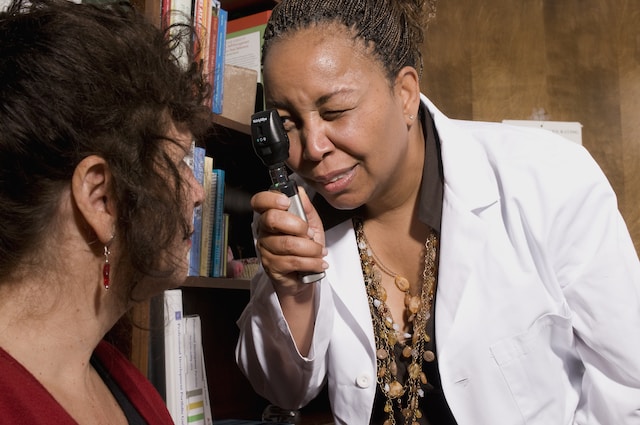
Regular eye examinations are essential for maintaining good eye health and overall well-being. While many of us may associate eye exams solely with checking our visual acuity and updating prescriptions, they offer so much more.
One of the most significant advantages of regular eye exams is the ability to catch eye conditions in their early stages. Many eye conditions often develop gradually and may not present noticeable symptoms in the initial stages.
A comprehensive dilated eye exam is the only way to check for many eye diseases early, according to the National Eye Institute.
How often you need an exam depends on your age, health and risk factors, such as diabetes or a family history of glaucoma. The American Optometric Association suggests at least every two years for low-risk adults ages 18 to 64, and yearly from 65 or if you are at higher risk.
For those in need of an experienced optometrist in Costa Mesa, CA, regular check-ups can help detect any potential issues early and maintain eye health effectively.
You might need to visit more often, especially if you have conditions that make you prone to eye issues.
It is crucial to follow the advice of your eye care professional regarding the recommended frequency of eye exams for your specific circumstances.
Conclusion
Prioritizing eye health is essential for overall well-being. By incorporating everyday strategies such as taking breaks, maintaining a nutritious diet, and protecting our eyes, we can prevent common eye conditions. Additionally, regular eye exams play a vital role in early detection and intervention.
By taking these steps, you can help protect your vision for years to come. See an eye doctor promptly for sudden vision changes, eye pain, flashes of light or new floaters.
Sources
- Keep Your Eyes Healthy, National Eye Institute
- Comprehensive Eye Exams, American Optometric Association