A Guide To Compression Socks: Benefits Explained
Contents
If you’ve been considering using compression socks, you may be a little confused about the different types and purposes.
Many people still believe that compression socks are simply for those who are out of shape, elderly or have chronic diseases.
This simply isn’t true.
In this comprehensive guide, I’m going to share with you what a compression sock is, what the compression sock benefits are, and how to pick the very best pair for your legs.
Compression Socks Defined
Compression socks are basically a form of hosiery that provides support and improves circulation to your leg and foot.
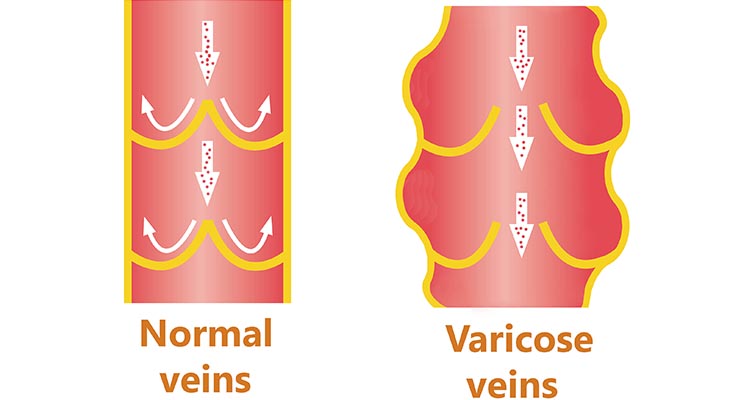
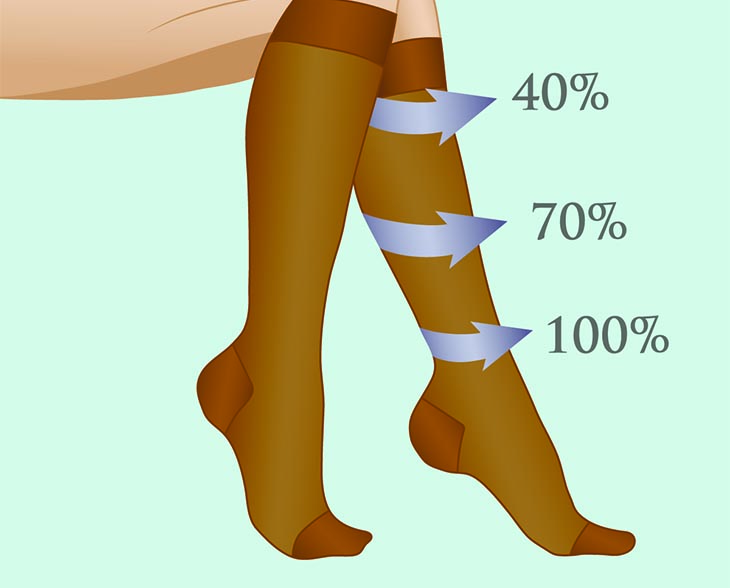
They’re able to do this by creating mild pressure. This helps the blood move back up through the body to your heart.
When you have circulation issues, the blood won’t travel as easily. Instead, it will pool up in the foot and leg which can cause numerous issues.
Compression socks come in many lengths, colors, and sizes. Fit matters: MedlinePlus says they should feel snug, with the most pressure at the ankle, and shouldn’t bunch or wrinkle.
Varying Levels Of Compression
Depending what your needs are, you’ll have to choose from different levels of compression.
Measured in millimeters of mercury, you’ll find most people use socks ranging from 15 mmHg to 30mmHg.
The 15-20 mmHg class would be considered your regular over-the-counter variety.
They’re ideal if you need an everyday sock that will relieve mild swelling and tired legs. These are a great option when you travel, sit or stand for long periods of time.
They can often look like regular socks, so no one will even know you are wearing them.
The first level considered to be of medical grade standards is the 20-30 mmHg.
These provide a stronger compression to your legs and ideal for swelling, spider veins, athletic use and for varicose veins. Many pregnant women will also feel relief with this level of compression.
For more serious problems, a doctor may prescribe the 30-40 mmHg level.
These are offered by physicians when facing a blood clot or deep vein thrombosis, DVT.
These socks are going to be made of a much stronger material as this is a higher medical grade compression.
Reasons To Wear Compression Socks
Compression socks aren’t what they used to be. Many people are now discovering how beneficial they can be for the legs.
If you’re prone to blood clots in the leg, your doctor may prescribe compression stockings. MedlinePlus notes they reduce leg swelling and, to a lesser extent, blood clots. Don’t stop wearing prescribed stockings without talking to your provider.
But what about other reasons users wear them?
Some athletes like the way they feel on tired muscles, though they aren’t a proven way to prevent injury.
People who stand all day on their feet like nurses and factory workers say that using compression socks prevents soreness and varicose veins. The better-established benefit is easing aching legs and swelling; providers also prescribe them for existing varicose and spider veins.
The CDC says trips longer than 4 hours by plane, car, bus, or train can raise the risk of blood clots, although the overall risk is small.
Get up and move or flex your legs every 1 to 2 hours. If you’re at higher risk, ask your doctor whether graduated compression stockings make sense for you.
Pregnant women are noticing a nice reduction in the painful swelling simply by using compression socks.
Granted, this is a natural occurrence that happens because of the added weight, but why live in misery when you don’t have to?
Pregnant women are also more likely to experience varicose veins and/or blood clots in the legs due to an increase in blood volume.
So, you see, these socks aren’t just for grandma anymore!
There are a ton of compression socks benefits for people just like you and me.
In fact, if you struggle with issues with your upper extremities as well, then you should research compression arm sleeve benefits.
Conclusion
Compression socks can be a useful, low-cost tool for tired, swollen legs and long trips. If you have a medical condition, ask your provider which type and pressure level are right for you.
Whether you’re preparing for that next marathon or heading out on a long business trip, they may make you more comfortable.
MedlinePlus suggests washing them daily and replacing them every 3 to 6 months, so having more than one pair is handy.
Sources
- Compression stockings, MedlinePlus
- Understanding Your Risk for Blood Clots with Travel, CDC