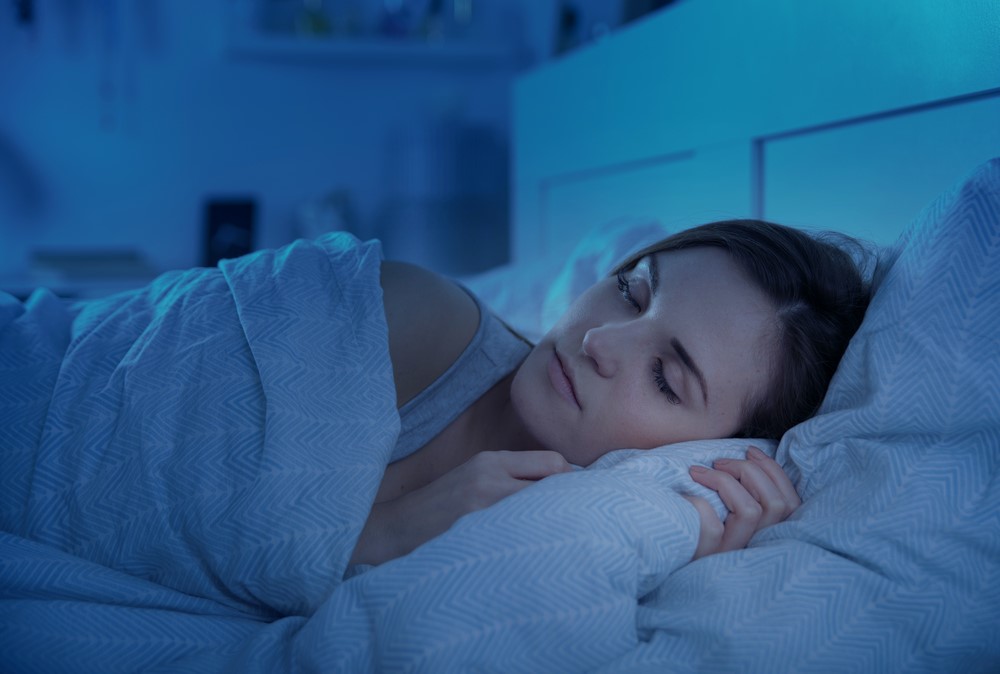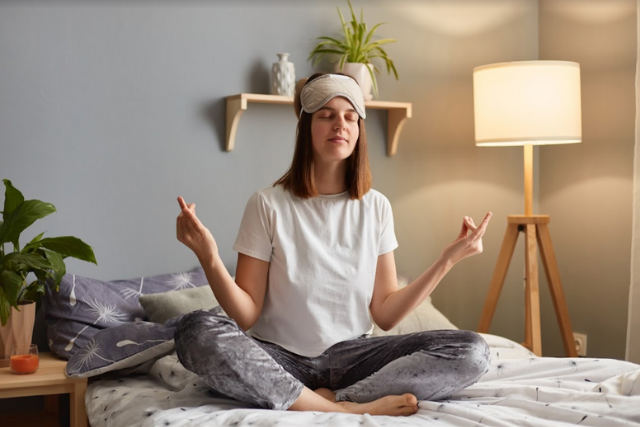
Are You Sleeping Enough? A Few Simple Tips On How To Get More Rest
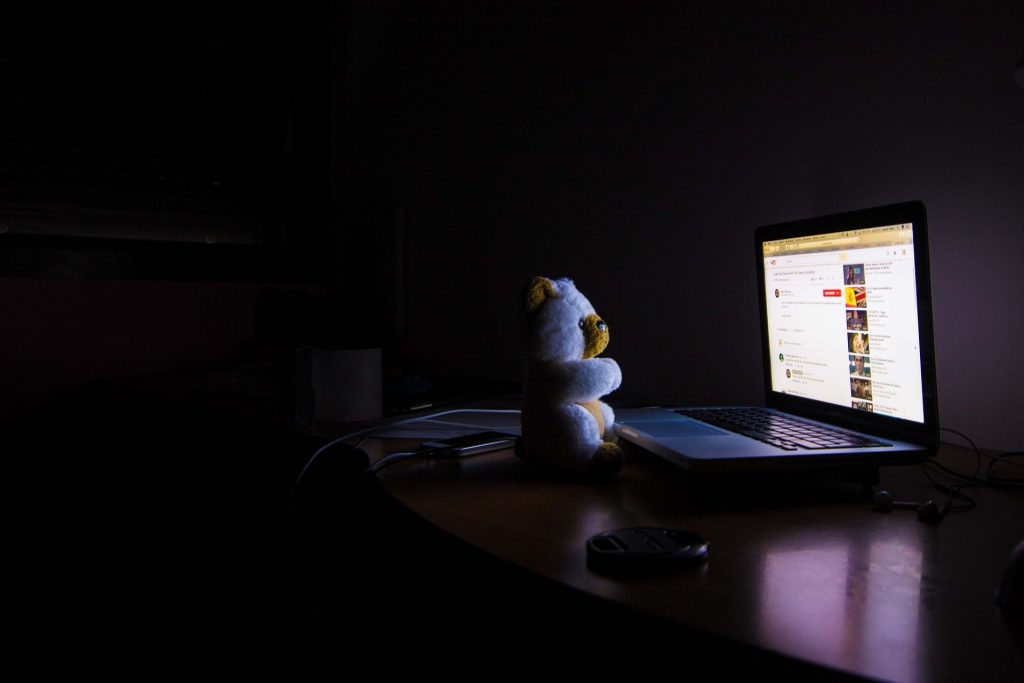
During a busy workday, you have to make a multitude of decisions, sometimes simultaneously. In addition, you have to have focus and concentration, and this leaves no room for listlessness or lethargy.
Now…
If you aren’t getting enough sleep at night, this can have a serious effect on your ability to function during the day, and this will correspondingly affect your workday.
While many of us have had days where we’re just tired for no particular reason, some of us have a chronic inability to sleep well during the night.
This not only carries over into your work life, but it affects your personal life as well. And, if you don’t get enough sleep over a long duration of time, this can manifest both physiologically and mentally.
There’s nothing like a deep sleep, so if you’re looking to get more rest at night, in the following post we’ll discuss a few ways to remedy your nightly tossing and turning.
Adjust Your Schedule
Most of us have an inner clock that we’re consciously unaware of. However, our bodies are very much aware of our inner clocks, which correspond to a circadian rhythm.
We all have natural cycles that we operate on during the day, and when this cycle gets thrown off, it can take days or weeks to get back on track.
For example, those who’ve worked nighttime hours, specifically a graveyard shift, can have the most difficulty getting rest. This is because we humans are daytime creatures, and we sleep according to the natural cycles of light and darkness.
Once you come off of working a graveyard shift, it can take time to get your body back into a natural rhythm.
If you find yourself not sleeping well at night, try adjusting your schedule a bit. If you’re staying up too late, try getting to bed earlier. Aim for a regular schedule that allows at least 7 hours of sleep, which the CDC recommends for most adults.
Often, a simple tweak of your daily schedule can work wonders.
Sleep Devices
For those who can’t seem to fall asleep (or stay asleep), a sleeping device might be in order. These devices range from the very simple, to the eccentric. And a few of these should come with a note of caution.
Some of the more popular sleep devices are classic sound machines. While some claim that these lull them to sleep with ease, others find them not so useful. A typical sound machine mimics several different sounds such as waterfalls, natural nighttime noises, a gentle breeze, crashing waves, and the list goes on.
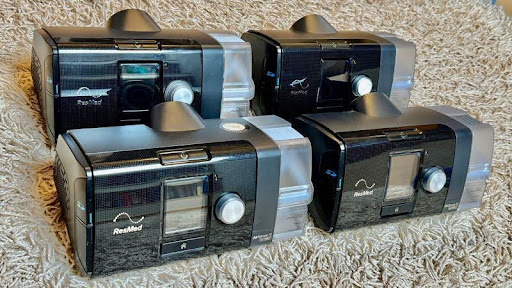
Other sleep devices are for much more severe sleep disorders such as sleep apnea. Sleep apnea is a condition where your breathing repeatedly stops and starts during sleep. Untreated, it can raise the risk of other health problems, so loud snoring, gasping at night, or heavy daytime sleepiness are worth raising with a doctor.
CPAP machines, which keep the airway open with steady air pressure, are a standard treatment for sleep apnea.
In 2021, Philips recalled certain CPAP, BiPAP and ventilator devices because their sound-reducing foam could break down. Lawsuits claim some recalled devices have been linked to cancer and other illnesses, but a cancer link has not been proven. If you use a recalled device, talk with your doctor before you stop treatment.
Get Some Fresh Air
Being outdoors has a natural way of making you not only feel good, but you’ll also feel naturally tired at the end of the day once the sun fades down over the horizon. Fresh air and the sounds of nature have a naturally calming effect on the body, and this also invigorates the senses.
You might not think a little goes a long way, but spending just a few hours outdoors each day can work wonders for your overall health.
Some research suggests that people who get more daylight sleep longer than those who stay inside for most of the day.
Sleep is a crucial component to our mental and physical well-being. Without adequate sleep, we can become moody, grumpy, tired, and lose focus along with the ability to complete basic tasks. If you want to get more zest out of life, aim for at least 7 hours per night. If you still feel tired, talk with a doctor.