6 Tips to Help You Get a Good Night’s Sleep
Contents
Like most people, you know how hard it is to get a good night’s sleep. You may toss and turn for hours before finally dozing off, only to wake up exhausted the following day. It can be a vicious cycle, leaving you struggling with poor concentration, mood swings, and low energy throughout the day, but there is hope!
Below are six tips that will help give your sleep routine the makeover it needs so that each night can be filled with peaceful restorative sleep.
Here are the things you can do to help you get a good night’s rest:
Establish a Consistent Sleep Schedule
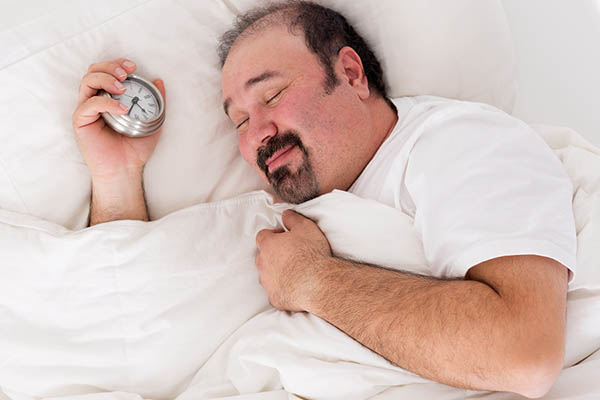
Establishing a consistent sleep schedule is an essential part of getting the rest you need and feeling rested during the day. Sure, we all sometimes crave that extra hour or two of sleep on the weekend, but developing a sleep routine is one of the best decisions you can make for your health.
The CDC advises going to bed and waking up at the same time each day, including weekends. Most adults need at least seven hours of sleep a night.
Incorporate Latex Pillow for Comfort
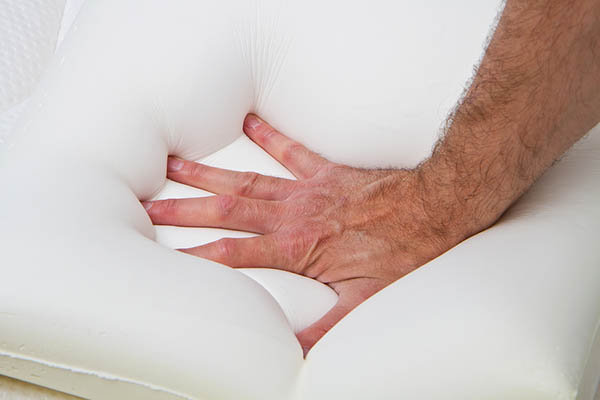
Are you having trouble sleeping? Investing in using a latex pillow to get a better night’s sleep can be the answer for some people. Latex pillows resist dust mites, hold their shape and offer gentle contouring that can support your head and neck.
Latex foam is also more breathable than many memory foams, which may help you sleep cooler. If you have a latex allergy, choose a different pillow material or check with your doctor first.
Cut Back on Caffeine and Alcohol Consumption
If you’ve been having trouble sleeping lately, it could be due to your caffeine and alcohol consumption. Reducing the amount of coffee, tea, and alcoholic drinks you have in the afternoon and evening can make a real difference to your nighttime rest.
Caffeine can keep you awake for hours after your last cup. Alcohol may make you drowsy at first, but it disrupts sleep later in the night. The CDC recommends avoiding caffeine in the afternoon or evening and alcohol before bed.
Create a Comfortable Sleeping Environment
Creating a comfortable sleeping environment is essential to getting a good night’s rest. It can be tempting to let your bedroom become filled with distractions, such as televisions or computers, but these are best kept out of the room to maximize the chances of drifting off into a peaceful slumber.
To support your rest, make sure that your bedroom is dark, quiet and cool. Blackout curtains or an eye mask can block light, and earplugs or a fan can mask noise. Taking steps to create a comfortable sleeping environment can help you wake up feeling refreshed.
Reduce Your Exposure to Light before Bedtime
When it comes to getting a good night’s sleep, reducing your exposure to light before bedtime is vital. Your body releases melatonin when it’s dark, which helps you fall asleep; however, bright light can disrupt that production.
To help set yourself up for a successful sleep routine, dim the lights and turn off electronics like TVs and phones at least 30 minutes, ideally an hour, before bed. This way, your body will be better prepared for a restful night of sleep.
Meditate or Practice Calming Activities
Taking time to relax and clear your mind can make all the difference when it comes to winding down at night. Why not take some deep breaths, practice yoga poses, or use progressive muscle relaxation techniques for an extra dose of calm before bed?
Implementing these calming practices into your nighttime routine will help prepare your body and mind for restful sleep. Plus, making it part of your regular routine means that, more and more, it’ll become second nature to you.
Conclusion
As you can see, there are many practical tips and tricks you can use to get the best night’s sleep possible. From investing in a quality latex pillow to implementing calming activities before bed, there’s plenty you can do to ensure that each night is a restful one. So why not give some of these techniques a try and make sure your nights are as cozy as possible?
If you still have trouble sleeping most nights for several weeks, snore loudly or feel sleepy during the day, talk with a health care provider. Sleep disorders such as insomnia and sleep apnea are treatable.
You’ll be thankful you did when morning comes around!
Sources
- About Sleep, Centers for Disease Control and Prevention
- Effects of thermal environment on sleep and circadian rhythm, Journal of Physiological Anthropology (PMC)