Why Is A Facelift So Sought After?
Contents
Facelifts are often thought of as a procedure for people over 60. In fact, most people who get facelifts are in their 40s, 50s or 60s.
Older patients who want a dramatic change may need more tissue adjustment and repositioning, which can mean a longer recovery.
In recent decades, the procedure has drawn more interest from younger adults. Younger patients often need less correction, so their results can look more natural.
As more people seek out facelifts, it’s worth understanding why. Here are some of the reasons why a facelift is so popular.
Noninvasive Treatments
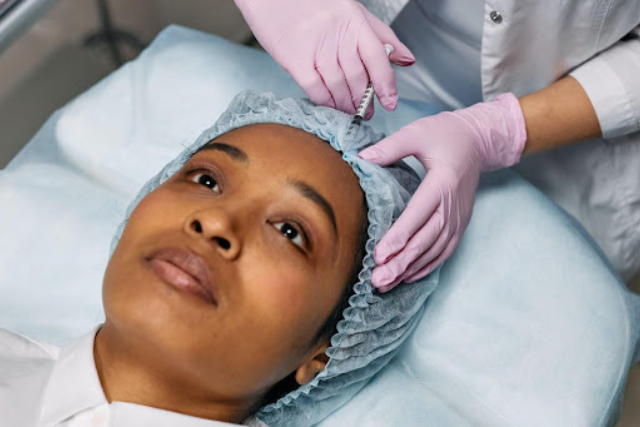
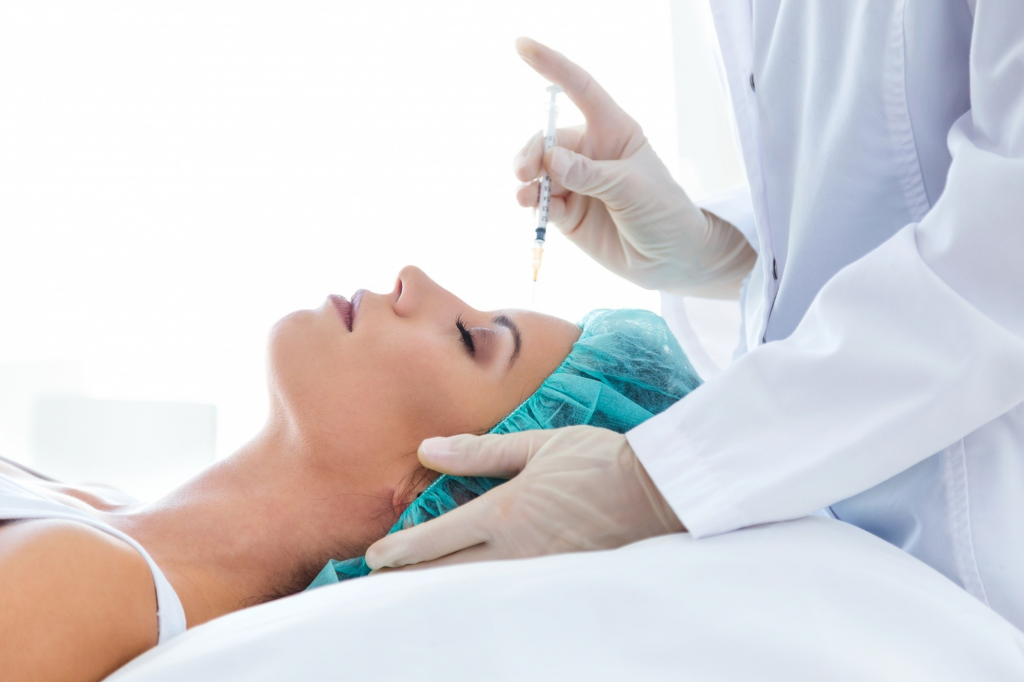
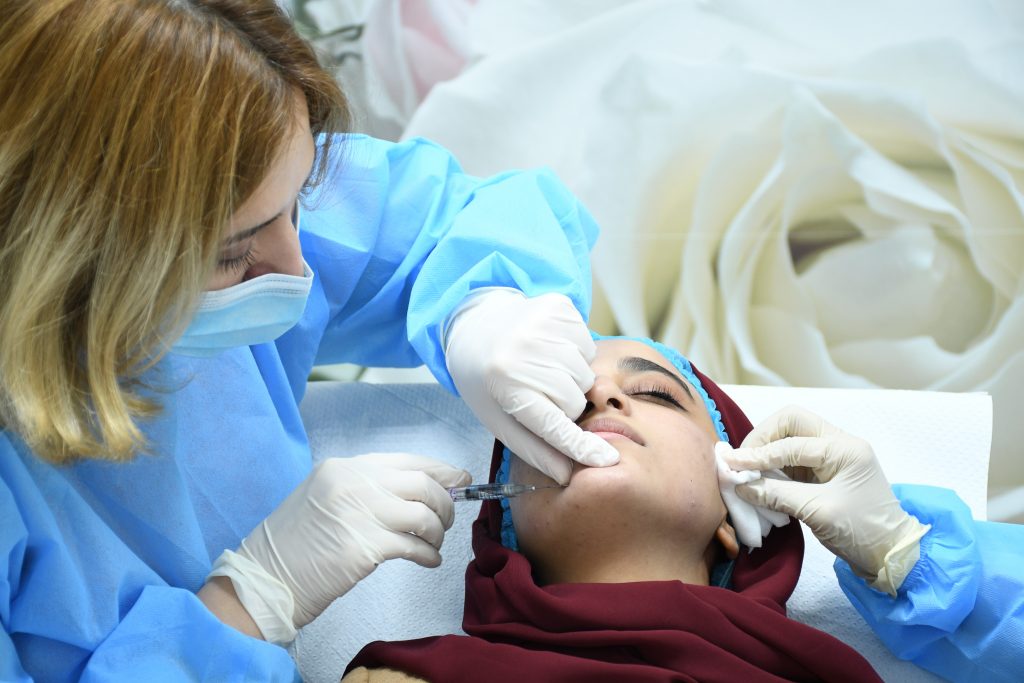
Non-invasive treatments, including facial fillers and lasers, are less expensive and less risky than surgery. They bring many younger people into a plastic surgeon’s office for the first time.
Once there, some patients become more comfortable with cosmetic procedures and later consider surgery such as a facelift.
Media Coverage
Social media websites, such as Instagram and Facebook, have fueled the popularity of cosmetic procedures.
Celebrities who share their experiences, videos and photos have also influenced some people’s decision to have cosmetic surgery.
Some fans want to look like the stars they follow, and a few turn to cosmetic surgery to do it. A good surgeon will focus on realistic goals for your own face instead.
High Quality Results
Facelift techniques have improved over the years.
Surgeons can now reposition deeper tissues and fat, use smaller or well-hidden incisions, and aim for results that look natural rather than pulled.
Traditional facelifts focused mainly on pulling the skin tight. That natural-looking approach has drawn more interest from younger patients.
Today, many surgeons lift and tighten the deeper muscle layer as well as the skin.
Competitiveness
Some people feel that looking younger helps them compete at work, especially in industries that value a youthful image.
As people work later in life, some older adults also become more self-conscious about their appearance and choose a facelift for that reason.
Cost and Financing
Cosmetic facial surgery used to be seen as something only the very wealthy could afford. Today more people pursue it, and some find it available at reasonable prices, although a facelift is still a significant expense.
Facelifts are becoming more popular among working middle-class professionals and stay-at-home parents. Many people wish to re-create their former physical appearance.
Personal loans, medical credit cards, and payment plans are common financing options. Some are offered through the surgeon’s office.
Facelifts are generally not covered by health insurance because they are cosmetic, so most patients pay out of pocket. Ask your surgeon for all charges in writing.
What a Facelift Can and Can’t Do
A facelift can tighten sagging skin and tissue in the lower face and neck. It is a cosmetic procedure, not a health treatment.
It doesn’t treat superficial wrinkles, sun damage or uneven skin color, and it can’t stop aging. Other treatments, such as skin resurfacing, may be combined with it for those concerns.

Improve Self-Confidence
Many people, both young and old, consider a facelift to boost their self-confidence.
Facelift surgery can improve how a person looks in ways that matter to them.
Results aren’t instant. Bruising and swelling usually last two to three weeks, and it can take a few months to feel back to normal. Many patients then feel better about how they look.
Feeling better about your appearance can help some people feel more confident socially and at work. Surgery can’t fix deeper body image or mental health concerns, so talk to your doctor if those are part of the picture.
Positive Treatment From Peers
Some people find that higher self-esteem after cosmetic surgery changes how they interact with others at work and socially.
More Acceptable
Cosmetic surgery has also become more socially acceptable. Famous people are more open about the procedures they’ve had, and friends often talk openly about considering a facelift.
Social media plays a part too. Some people are comfortable posting selfies on Facebook or Instagram, even during the recovery process.
Safety and Risks
Serious complications from a facelift are rare, especially with an experienced, board-certified plastic surgeon. It is still major surgery.
Possible risks include hematoma (a collection of blood under the skin), infection, facial nerve injury, numbness, scarring, hair loss at the incisions and prolonged swelling. Discuss your health history and medicines with your surgeon before deciding.
Desire Change In Appearance
Many people are unhappy with signs of aging in their face and decide to have a facelift. A facelift can help a person feel happier with their image, as long as their expectations are realistic.
Conclusion
Facelift results typically last about seven to 10 years, and you continue to age after surgery. Some people later choose a smaller follow-up procedure.
There is no single best age for a facelift. The right time depends on your skin, your health and your goals.
After all, there is no set age at which you can improve your appearance. Consult a board-certified cosmetic surgeon, such as one offering a facelift in NYC, to talk through your options. Skin that still has good elasticity often gives the best outcomes.
Sources
- Facelift (Rhytidectomy), Cleveland Clinic
- Plastic and Cosmetic Surgery, MedlinePlus