Recover Fast With These Post-Accident Recovery Foods

Contents
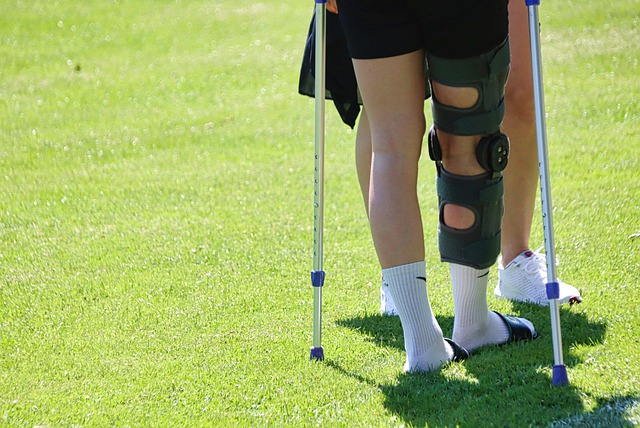
Car accidents can bring your life to an instant standstill. Most American households own at least one vehicle, so time on the road, and the risk that comes with it, is part of daily life for most people.
An accident can sap your stamina and your ability to do routine tasks. The first step is getting medical care. Good nutrition then supports, but does not replace, your treatment.
From carbs to protein and healthy fats, your body needs enough of each to heal. Ask your care team if your injuries, weight, or other health conditions change what you should eat.
Are you just out of the hospital from bed rest and want to look for healthy food items, here are a few tips on what to do after a car accident – nutrition-wise. Protein, healthy fats, vitamins, and minerals all play a part in tissue repair. A healthy diet supports the healing of strains and fractures, but it can’t treat them on its own.
Follow your doctor’s guidance on how to manage pain at home. Alongside medicine and icing sore spots, the foods you choose can help you get back on track.
Get a Load of Protein
From fish to turkey and loads of chicken, lean meats of any kind are packed with protein. Protein is essential for the regeneration of damaged and torn muscles as well as for producing new cells and tissues.
Adding an adequate amount of protein to your meals is necessary. It’s completely normal if you are unable to chew meat – consider replacing chewable foods with a more liquid diet such as soups and protein shake.
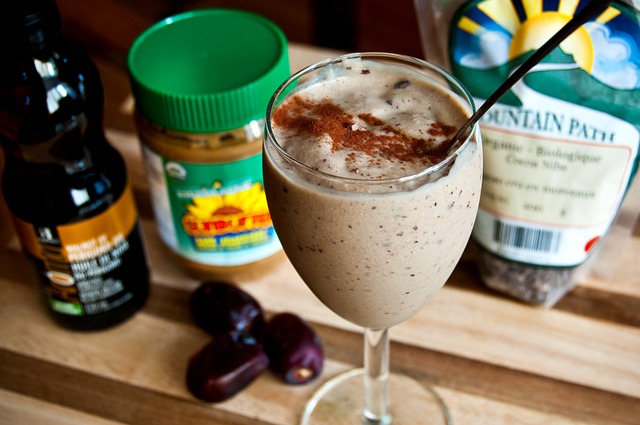
Soups are warm and soothing therefore are a recommended staple after the accident. Homemade soup is usually lower in sodium than packaged versions; ask someone at home to help if you can’t cook. Protein needs can rise while you heal, so ask your doctor or a dietitian how much you need.
Apart from your regular meats, you can also eat eggs. Eggs can be a rich source of protein. You can boil them, make delicious omelets or just scramble them with butter.
Consume Dairy Products
If you broke a bone, calcium is important for healing. Dairy products like milk, cheese, and yogurt are rich in calcium; butter is not a meaningful source.
This will be a major part of your accident injury treatment to consume calcium-rich foods. If you don’t like milk, add your favorite flavors to the milk or simply enjoy a fruit yogurt.
Buy Some Healthy Cereals
Many breakfast cereals are fortified with zinc, a mineral your body uses for immune function and wound healing. Meat, seafood, beans, and nuts also supply zinc.
Choose lower-sugar options like plain oats or muesli. You may be less active while you recover, so keep portions in line with your energy needs.
Essential Fats
Seafood is rich in protein and unsaturated fats. Fatty fish like salmon, tuna, and mackerel supply omega-3 fatty acids, which are part of a healthy diet during recovery. Grilled fish with vegetables makes a filling, nutritious meal.
Get Adequate Vitamins
Vitamin D helps the body absorb calcium, which bones need. Fatty fish are among the best food sources; beef liver, cheese, and egg yolks provide small amounts, and many milks are fortified.
Your skin also makes vitamin D in sunlight, but cover up or protect your skin during long periods outdoors to lower the risk of skin damage and skin cancer. Ask your doctor before taking a vitamin D supplement.
Additional Tips for Car Accidents
Here are some other tips on what to do after a car accident:
Completely Follow What Your Doctors Say
See a doctor promptly after any accident, even if you feel fine, since some injuries show symptoms later. Your medical records can also help if you file an insurance or injury claim.
Seek Alternate Care
Your doctor may refer you to physical therapy, and some people also see a chiropractor. Ask your doctor first, especially after a neck or back injury, since spinal adjustments are not safe for every injury.
Take Some Time Off
Give yourself time to heal. Accidents are physically tiring, and the trauma can exhaust you mentally as well. Start moving around the house when your doctor says it is safe. When to begin gentle exercise like walking or yoga depends on your injuries, so follow your care team’s timeline.
Stay Hydrated At All Times
Your body needs enough fluid to work well while it heals. The NHS suggests 6 to 8 cups or glasses of fluid a day as a general guide; you may need more if you have a fever or are in a hot environment. Ask your doctor if you have heart or kidney problems that limit fluids.
Go For Massage
Some people find massage helps with muscle tension and stiffness after an accident. Check with your doctor first, especially if you have fractures, blood clots, or recent surgery, and tell the therapist about your injuries.
Conclusion
Car accidents are common. A healthy diet with enough protein, healthy fats, vitamins, and minerals supports recovery. Follow your doctor’s recommendations, keep up with any therapy, and report new or worsening symptoms right away.
Sources
- Vitamin D, MedlinePlus
- Vitamin D, NHS
- Water, drinks and your health, NHS