
NAD+ and the Cellular Energy Crisis: Why Researchers Are Watching This Coenzyme
For a molecule that has been part of biochemistry textbooks since the 1930s, nicotinamide adenine dinucleotide — better known as NAD+ — has had a remarkable second act. What was once treated as a routine cofactor in cellular metabolism has, over the past decade, become one of the most actively studied compounds in aging research, mitochondrial biology, and circadian regulation.
The reason is straightforward: NAD+ levels decline with age, and that decline appears to track closely with many of the cellular dysfunctions associated with aging. Whether the relationship is causal, correlational, or some combination of both is the question driving an enormous research effort in 2026.
Why NAD+ Matters at the Cellular Level
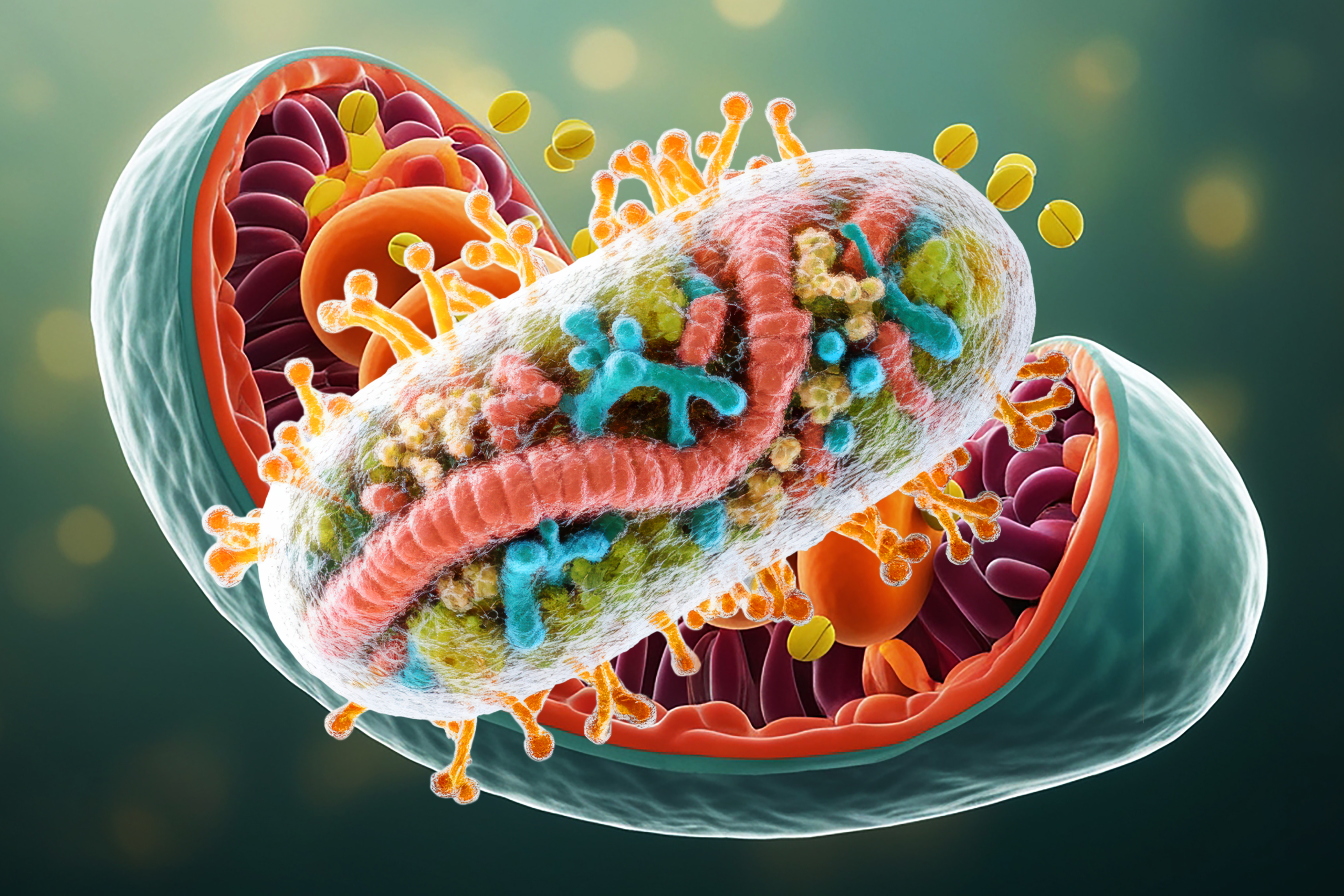
NAD+ functions as an electron carrier in cellular respiration, which means it sits at the center of how cells convert nutrients into usable energy. Every cell that produces ATP — which is to say, virtually every cell in the body — depends on adequate NAD+ availability to maintain mitochondrial function and metabolic flexibility.
Beyond its role in basic metabolism, NAD+ serves as a substrate for several families of enzymes that regulate key biological processes. Sirtuins, the enzymes that have attracted significant longevity research interest, depend on NAD+ to function. PARP enzymes, which manage DNA damage response, consume NAD+ in their repair activity. CD38, an enzyme involved in immune signaling and inflammation, also draws from the NAD+ pool.
This means NAD+ availability influences not only how efficiently cells produce energy but also how well they maintain their genome, regulate inflammatory responses, and adapt to metabolic stress. When NAD+ levels drop, the downstream effects ripple through systems that initially seem unrelated.
The Age-Related Decline
Multiple studies have documented that NAD+ levels decrease substantially with chronological age. Tissue-level measurements suggest declines of 50% or more between young adulthood and later life, with particularly steep reductions observed in muscle, skin, brain, and liver tissues.
The mechanisms behind this decline are still being mapped, but several factors appear to contribute. CD38 expression increases with age, accelerating NAD+ consumption. The activity of NAMPT, the rate-limiting enzyme in NAD+ salvage synthesis, decreases. Chronic inflammation places sustained demand on PARP enzymes, depleting NAD+ pools more rapidly than they can be replenished.
What makes this pattern particularly interesting to researchers is that many of the cellular phenotypes associated with aging — reduced mitochondrial efficiency, impaired DNA repair, dysregulated metabolism, increased oxidative damage — overlap considerably with the consequences of NAD+ depletion. Whether restoring NAD+ levels can reverse these phenotypes is the central experimental question driving the field.
Sleep, Circadian Rhythm, and NAD+
A particularly fascinating thread of NAD+ research connects the molecule to circadian biology. NAD+ levels oscillate over the 24-hour cycle in most tissues, with peak concentrations typically aligning with active metabolic periods. This oscillation is regulated in part by the circadian clock machinery, and disruptions to circadian rhythm have been shown to flatten NAD+ oscillations.
The relationship runs in both directions. Sirtuins, which depend on NAD+, also regulate circadian gene expression — meaning the clock controls NAD+ availability while NAD+ availability simultaneously feeds back into clock regulation. Sleep disruption, shift work, and chronic circadian misalignment may therefore contribute to the age-related decline in NAD+ levels by interfering with this regulatory loop.
For researchers investigating sleep quality, energy metabolism, and recovery, NAD+ has become a candidate molecule worth tracking. Animal studies suggest that maintaining NAD+ levels may help preserve circadian regulation and improve metabolic resilience under conditions of disrupted sleep.
Mitochondrial Health Research
The mitochondrial implications of NAD+ research have generated some of the most active investigations. Mitochondrial dysfunction is a hallmark of aging, characterized by reduced ATP production efficiency, increased reactive oxygen species generation, and impaired mitochondrial biogenesis. NAD+ availability influences all of these processes.
Animal studies have shown that strategies for restoring NAD+ levels can improve mitochondrial function in aged tissues, with documented effects including increased oxidative phosphorylation efficiency, reduced oxidative stress markers, and improved exercise capacity. Whether these findings translate to human applications remains an active question, but the consistency of the basic biology has made NAD+ a focus for researchers studying age-related metabolic decline.
Skin and Tissue Aging
NAD+ research has also expanded into dermatological contexts. Skin tissue shows pronounced age-related NAD+ decline, and studies of dermal fibroblasts and keratinocytes have linked reduced NAD+ availability to impaired wound healing, decreased collagen production, and increased markers of cellular senescence.
This work has prompted interest in whether topical or systemic strategies for NAD+ support might influence skin aging biology. The research remains in relatively early stages, but the underlying premise — that supporting NAD+ availability may help preserve cellular function in aging skin — has motivated a substantial investigative effort.
Quality Standards in NAD+ Research
For researchers working with NAD+ and related compounds, source quality is foundational. Stability is a particular concern, as NAD+ degrades under various environmental conditions including elevated temperature, certain pH ranges, and exposure to light. Proper handling and storage protocols, combined with verified-purity starting material, are prerequisites for reproducible research.
Suppliers offering NAD+ longevity peptide research compounds with documented purity testing, third-party verification, and appropriate cold-chain handling support the analytical standards that publishable research requires.
What’s Next in NAD+ Research
The 2026 research agenda for NAD+ continues to expand. Combination studies are examining whether NAD+ precursors paired with other longevity-relevant compounds produce synergistic effects. Tissue-specific delivery research is exploring how to direct NAD+ support to particular organs or cell populations. And clinical translation efforts are working to determine which of the many promising findings from animal models will hold up in human investigations.
What seems unlikely to change is the centrality of NAD+ to longevity research. Few molecules sit at so many critical metabolic intersections, and few have shown such consistent age-related decline patterns. Whether the field eventually establishes NAD+ support as a cornerstone of aging interventions or refines our understanding of which specific applications hold the most promise, the underlying biology will continue to demand attention.