Juicing Recipes For Weight Loss: Our Guide
Contents
Drinking fresh, homemade juice is an easy way to add more fruits and vegetables to your day. Keep in mind that juice still has calories and natural sugar, and most of the fiber is left behind in the pulp.
They also taste delicious. The best thing about juicing recipes for weight loss is that you can be creative and produce wonderful concoctions of vitamin-laden drinks.
But how do you know which combinations taste the best?
And how can juice fit into a weight loss plan? Read on for some of my favorite, tried and tested recipes.
Juice And Weight Loss
You may be asking yourself, can drinking a freshly made juice really help me lose weight?
Not on its own. Juice is not a fat burner, and there is little research showing that juicing itself causes weight loss.
It can fit into a weight loss plan built on a balanced diet, regular exercise and an overall calorie deficit.
My favorite juice recipes are a great way to ingest a large serving of much-needed vitamins and minerals without having to slave away at preparing a nutritious meal.
Juice is not a complete meal. It has little protein, so pair it with a protein source if you drink it at breakfast.
A vegetable-heavy juice can be a better choice than a soda or a candy bar. Fruit juice, though, is high in sugar, so keep portions small.
Because juicing removes most of the fiber, juice is less filling than whole produce. Cleveland Clinic dietitians note that juice cleanses don't target fat loss, and early weight loss on them is mostly water.
If you have diabetes or kidney disease, or take medication, talk with your doctor or a dietitian before making juice a regular part of your diet.
Juice or Smoothie?
I find that people use these terms interchangeably. Whilst there isn't a huge difference, there are a few technicalities to be aware of.
Juicing is the process of extracting the juice from a fruit or vegetable.
Juice has most of the fiber removed. That fiber normally slows how fast sugar reaches your bloodstream and helps you feel full.
Your liver and kidneys already handle "detox"; there is no good evidence that juice cleanses the body.
A smoothie involves blending all the ingredients and breaking them down into liquid form.
A smoothie keeps the fiber, so it is usually more filling than juice.
Now, I won’t hold it against you if you mix up the two. Both make for a healthy drink, but for now, we’ll stick to juices.
Common Juicing Mistakes
It may seem simple – buy some fruit and veg and get juicing. However, there are some simple, yet common mistakes that are often made.
-
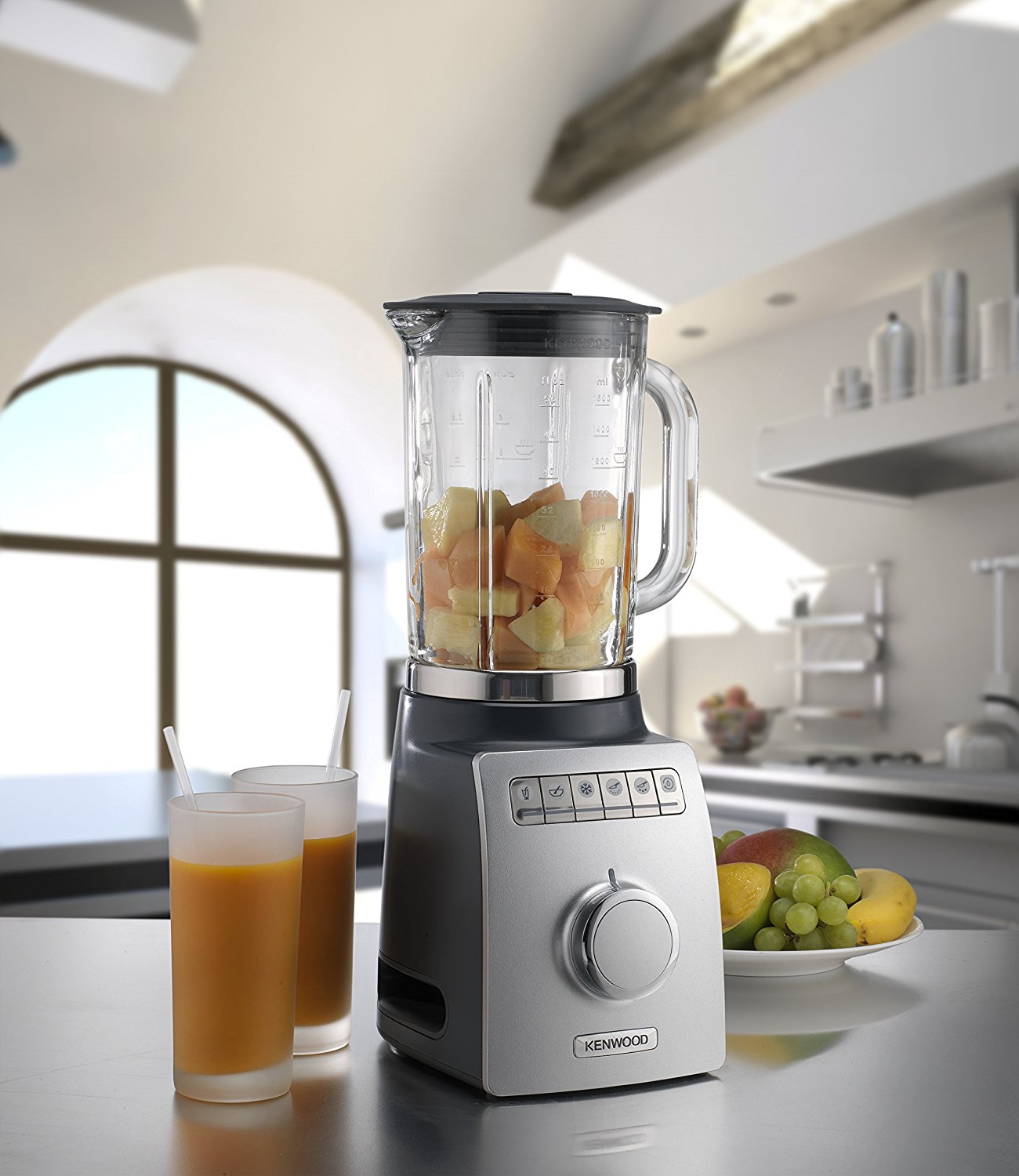
Using a blender – you'll still get a delicious, nutritious drink, but it will be a smoothie not a juice. This isn't a bad thing. In fact, a smoothie keeps more of the fiber.
-
Too much fruit – it can be easy to be too keen and throw in large amounts of fruit into your juicer, but fruit is best saved for a smoothie. Our bodies are better at processing fruit when it contains its natural fibers, otherwise too much sugar can enter the bloodstream.
-
Loading up on spinach and chard every day – these greens are high in oxalate. If you have had calcium oxalate kidney stones, NIDDK advises limiting high-oxalate foods such as spinach; ask your doctor what's right for you.
What Ingredients Should I Use?
Finding your favorite juicing recipes for weight loss may take some experimenting.
I have my preferred combinations, but really you can combine just about anything you want (just be wary of too much fruit, and go easy on spinach and chard if you have had kidney stones).
Below is a list of some common ingredients and what they bring to a juice. No single ingredient burns fat.
Lemon – adds a bright flavor and vitamin C with almost no calories.
Leafy greens – full of nutrients without the added calories.
Apples – a natural sweetener for the times when you need a sweet pick-me-up, but they add sugar, so one is usually enough.
Beets – an earthy, naturally sweet base with a deep red color.
Ginger – adds a spicy kick that balances sweeter ingredients.
Watermelon – mostly water, so it makes a light, refreshing juice.
Berries – full of antioxidants.
Carrots – a good source of beta-carotene, which the body turns into vitamin A.
Don’t be limited by this list, experiment with your own preferred flavors and unique taste buds.
My Top 3 Juice Diet Recipes
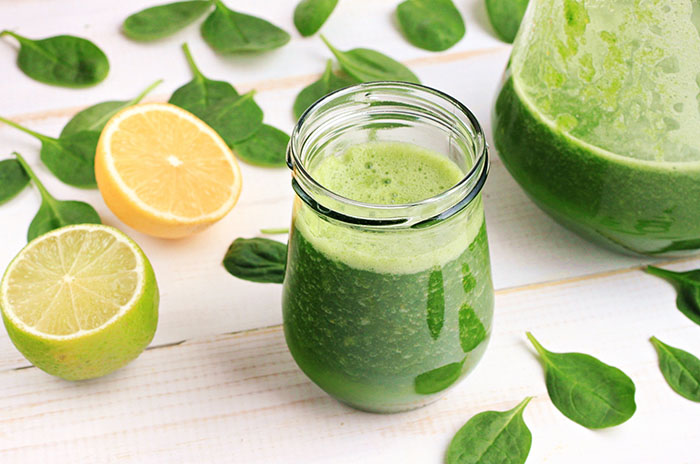
Green Lemonade
This is a must for those hot summer days. Simply combine the ingredients in your juicer and enjoy a refreshing, nutritious drink that's a better alternative to a soda.
-
1 cucumber
-
A bunch of kale
-
2 medium apples
-
A few handfuls of spinach
-
1 lemon
Beetroot Zinger
For an earthy, sweet drink, try the Beetroot Zinger.
-
2 beets (including leaves)
-
2 carrots
-
1 orange
-
½ piece of fresh ginger
Before whizzing through your juicer, remove the ends from the carrots and peel both the orange and the ginger. The result is a deep red juice with a gingery bite.
Antioxidant Delight
The berries give this drink plenty of color and antioxidant plant compounds. Personally, I reduce the carrot in this recipe as it tends to have an overpowering taste (and usually throw in some extra berries too).
-
1 cup of spinach
-
½ cup strawberries
-
1 cup blueberries
-
1 carrot
Chop the top and bottom off the carrot and remove the strawberry stalks and run all ingredients through the juicer.
Best Blogs To Follow For Juice Recipes
Reboot with Joe
Reboot with Joe is a blog built around juicing and Joe Cross's own weight loss story.
It has a large library of juice recipes, plus smoothie, main course and even dessert recipes.
Juicing with G
Garrick Dee, at juicing with G, has written his blog with complete newbies to juicing in mind. This blog underlines how dangerous juicing can be for your health if you do it wrong, and how beneficial if you do it right.
The site is packed with both delicious juice recipes and with lots of informative posts that will help you take care of your health in general.
Super Skinny Me
Now, this blog doesn’t entirely focus on juicing, but is more holistic, taking in exercise and all aspects of dieting, so you can read up on all aspects of weight loss in one place.
It does, however, have a huge number of juice and smoothie recipes, perfect for those of you looking to shed a few pounds.
Natural Juice Junkie
http://naturaljuicejunkie.com/
I love Natural Juice Junkie for the inspirational posts they post now and again, related to juicing and weight loss.
They share recipes and tips for people who are new to juicing, including some that are a little outside the box.
Linda Wagner
Linda Wagner is a nutrition coach who writes about juicing.
Her blog shares juice and smoothie recipes along with motivational posts.
Prolific Juicing
http://www.prolificjuicing.com/
Farnoosh Brock is a juicing fan whose mission is to share her love for juicing.
Her blog has recipes and tips, like how to stick with your juicing habit once you’ve started.
In Conclusion
These juicing recipes are a tasty way to get more fruits and vegetables into your day.
For weight loss, treat juice as one part of a balanced, calorie-aware diet, favor vegetables over fruit, and keep eating whole produce for its fiber.
Sources
- Juicing for Weight Loss: Does It Work?, Cleveland Clinic
- Eating, Diet, & Nutrition for Kidney Stones, NIDDK (NIH)