Is CBD An Effective Sleep Aid?
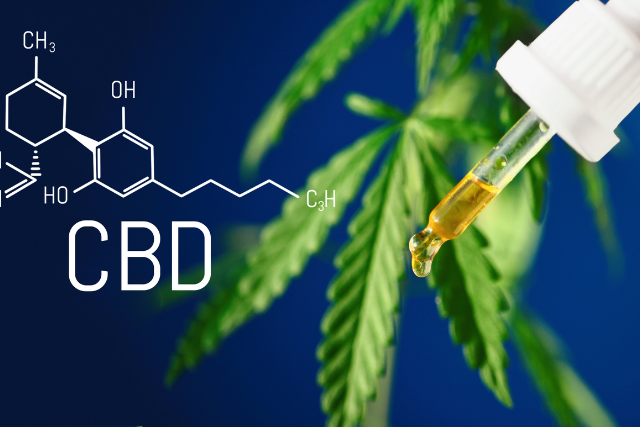
If you’re looking for an effective sleep aid, you may be wondering if CBD is the way to go.
The short answer: CBD may help some people relax, mainly by easing anxiety, but the research on sleep is small and mixed. The FDA has not approved CBD as a sleep aid.
Cannabidiol
Cannabidiol is a compound found in cannabis plants, including hemp and marijuana. Unlike THC, it does not cause a high.
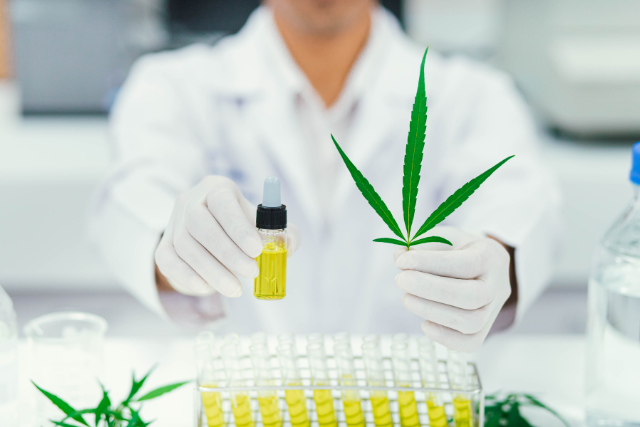
Some studies suggest it may ease anxiety, which can keep people awake. However, more research is needed to understand how cannabidiol affects sleep.
Studies on CBD as a sleep aid are still limited, and most are small or not placebo-controlled.
Researchers are studying CBD for anxiety, insomnia and pain, but there is not yet strong evidence that it treats any of them.
Melatonin
Melatonin and CBD are two products people often try for sleep. Melatonin has better evidence for some specific sleep problems, such as jet lag.
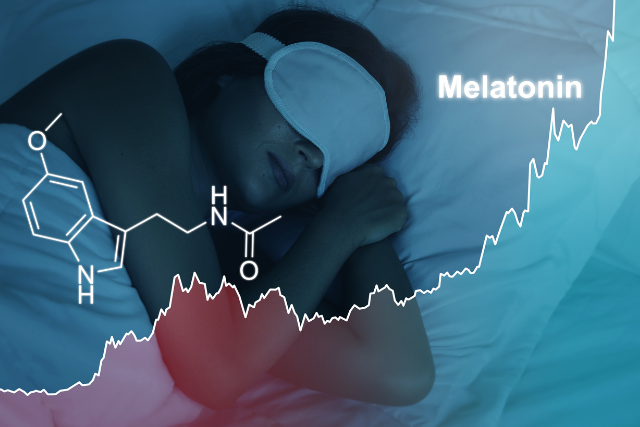
A healthy sleep cycle affects many aspects of our lives. For example, good sleep supports the immune system and mental health.
“Natural” does not mean risk-free, though. Both products can cause side effects and interact with medicines, so check with a doctor or pharmacist first.
Several products on the market combine these ingredients.
Some of these include gummies containing melatonin and CBD.
Melatonin & CBD
Melatonin and CBD are complementary compounds that can be taken together or separately to improve sleep.
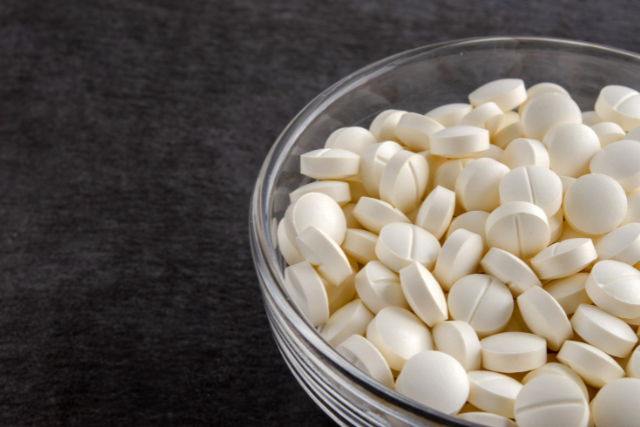
While both can be helpful for sleep, they have different effects on different people. Melatonin is a hormone that helps regulate the sleep-wake cycle. There is no good evidence that CBD makes the body produce more melatonin.
No study has shown that combining the two works better than either alone.
According to the National Center for Complementary and Integrative Health, short-term melatonin use appears safe for most people, but its long-term safety has not been well studied.
There is no established safe and effective dose of CBD for sleep. Studies have used a wide range of doses, so ask a doctor or pharmacist before you try it, especially if you take other medicines.
CBD Tincture
CBD is being studied for sleep disorders such as insomnia, but results so far are limited.
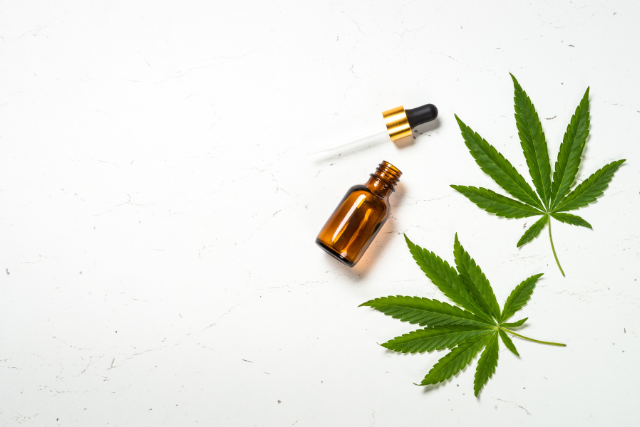
Some people with insomnia say a CBD tincture helps them relax at night, but results vary.
In a 2019 case series of 72 psychiatric clinic patients, anxiety scores fell in 79.2% of patients in the first month. Sleep scores improved in 66.7% at first but fluctuated over time, and the study had no placebo group.
CBD is not risk-free. NCCIH notes it can cause sleepiness, diarrhea, changes in mood and appetite, and has been linked to liver injury and drug interactions.
CBD comes in various forms. A tincture is an oil taken by mouth with a dropper. If you prefer a set amount per dose, CBD is also sold in a convenient capsule that contains a specific dosage infused into each capsule.
Tinctures often taste earthy. People commonly take them some time before bed, but there is no proven best timing.
CBD Gummies
Some consumers have reported positive effects from taking CBD gummies for sleep.

Gummies are an easy way to take CBD, but ingredients vary by brand, so read the label for sugar, colors and other additives.
Labels can also be wrong. NCCIH warns that over-the-counter CBD products may contain more or less CBD than stated and may contain THC.
CBD Balms
CBD balms are great for helping the body relax before bedtime.
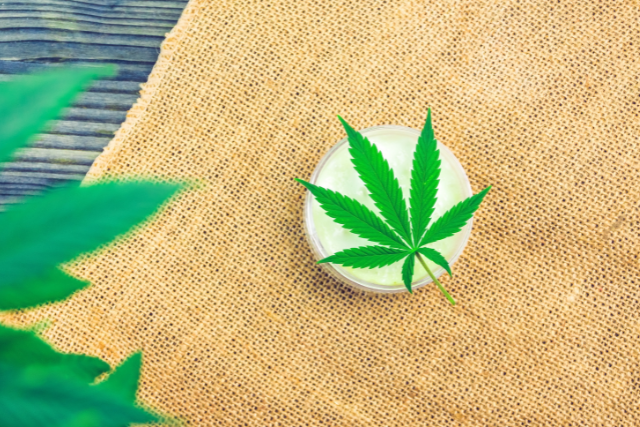
Some people use a balm as part of a relaxing bedtime routine, such as a massage. There is little research on whether CBD applied to the skin improves sleep.
If pain from conditions such as arthritis or fibromyalgia keeps you awake, talk with your doctor about treatments with proven benefits.
Takeaway
CBD may help some people relax, but there is not enough evidence to call it an effective sleep aid. The only FDA-approved CBD drug, Epidiolex, treats certain rare seizure disorders, not sleep problems.
Melatonin helps regulate the sleep-wake cycle and is generally considered safe for short-term use. There is no standard dose of CBD for sleep.
If you have trouble sleeping for more than a few weeks, see a doctor. Insomnia and sleep apnea are treatable, and a clinician can find the cause.
Sources
- Cannabis (Marijuana) and Cannabinoids: What You Need To Know, National Center for Complementary and Integrative Health
- FDA Regulation of Cannabis and Cannabis-Derived Products, Including Cannabidiol (CBD), U.S. Food and Drug Administration
- Cannabidiol in Anxiety and Sleep: A Large Case Series, The Permanente Journal (PMC)
- Melatonin: What You Need To Know, National Center for Complementary and Integrative Health