How To Improve Your Wellbeing Through Breathing
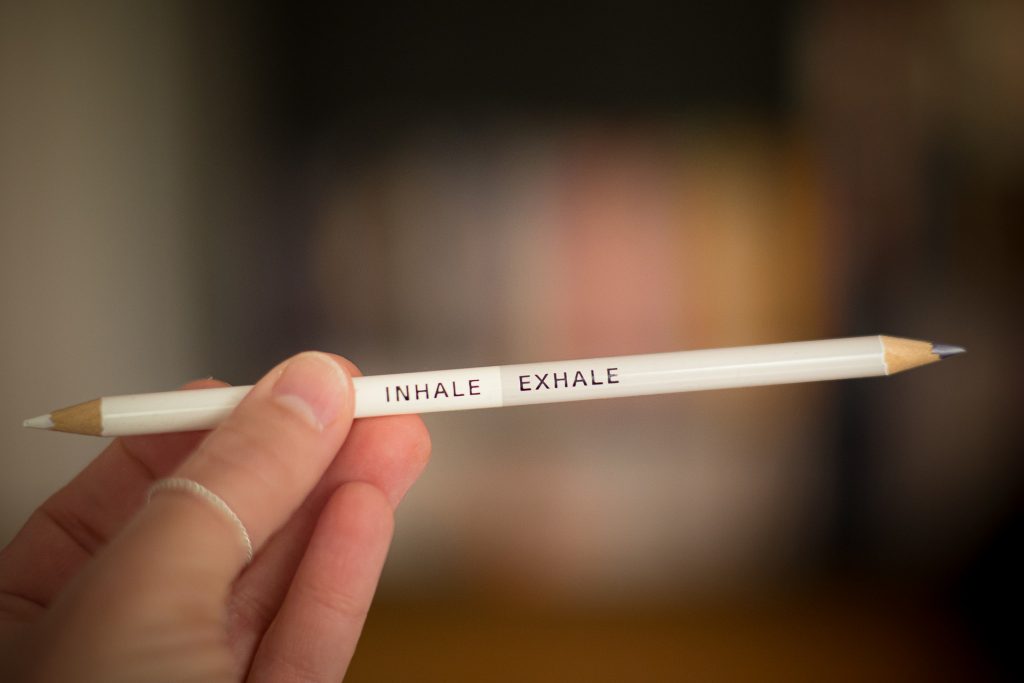
Breathing sounds like the simplest thing in the world, doesn’t it? After all, we are born with the natural ability to breathe, and it isn’t until we die that we ever stop doing it.
In fact…
It is so natural that most people don’t think about the way they breathe or how breathing exercises can help with everyday stress. Read on if you want to learn how to improve your wellbeing through breathing.
Stress
Stress is something that most people suffer from at some point in their lives. If your boss is giving you a hard time, you are late for your train, or your kids won’t stop screaming, you have probably experienced it. You may even feel stressed several times per day.
Stress is not good for you because it raises your heart rate, makes it difficult to control your emotions, and can weaken your immune system. When you feel stressed, it is natural to want to take a lot of breaths, and these tend to be shallow as your body wants to breathe quickly.
This is part of your body’s “fight or flight” response, which prepares you to react to a threat.
Fast, shallow breathing can keep you feeling tense. Slow, deep breaths from the belly, called diaphragmatic breathing, may help reduce stress, although the research on it is still early.
Next time you feel stressed, concentrate on your breathing and you could be surprised at how quickly you can start to feel calm.
Anxiety
Anxiety often shows up as constant worry and nervous energy, which can make it hard to focus on anything else. If this is an issue for you, then try some cardiovascular exercise. Running, swimming, and cycling are all good exercises.
The aim is to raise your heart rate and get slightly out of breath.

Your body will naturally take deeper breaths as you work out, and focusing on your workout gives your mind a break from worrying. If anxiety is frequent or getting in the way of daily life, talk to a health care provider.
Depression
When you are depressed, it can be hard to look forward or take the next steps to achieve your goals. Breathing exercises may help you feel more grounded, but they are not a substitute for treatment. If low mood lasts, talk to a doctor or mental health professional. In a crisis, call or text 988. If you can’t face going for a run, then go for a walk instead.
Practice deep breathing as you focus on the world around you and the wildlife you will see, and breathe in some fresh air.
Breathing deeply as you walk around the park will allow you time to reflect and plan. Some people also like alternate nostril breathing: sit comfortably, cover one nostril and breathe through the other for a few breaths, then switch. Many find it calming.
Sleep Problems
If you are suffering from sleep problems, it can have a dramatic effect on your wellbeing. Not only do you feel more tired the next day, but you are also more likely to make mistakes at work, which will affect your confidence.
Sleep loss can also harm your driving. The NHLBI notes that sleep deficiency can impair driving as much as or more than being drunk. You will function so much better on a good night’s sleep.
Some people who snore try mewing, a tongue-posture technique. You’ll need to move your tongue around and practice a bit before you get the hang of it. There is no good evidence that mewing treats sleep apnea, though. Sleep apnea needs a diagnosis from a doctor and proven treatment, such as a CPAP machine.
Many people suffer from insomnia, often linked to anxiety or stress. Lying awake worrying about the next day is no fun, and things always look worse in the small hours. Mindful breathing is one technique to try.
Lie with your eyes closed and concentrate on breathing in and out. Let your thoughts pass and bring your attention back to your breath. This may help you relax.
Relaxation on its own doesn’t fix long-term insomnia, though. If sleep problems last, ask your doctor about cognitive behavioral therapy for insomnia (CBT-I).
Breathing exercises are a simple, low-risk way to support your well-being. They can help you feel calmer. Try some for yourself, and see a health care provider for symptoms that don’t improve.
Sources
- Relaxation Techniques: What You Need To Know, NCCIH
- Sleep Deprivation and Deficiency: How Sleep Affects Your Health, National Heart, Lung, and Blood Institute
- Sleep Apnea: What Is Sleep Apnea?, National Heart, Lung, and Blood Institute