
Healthiest Foods Around The World: Find Out What Other People Eat
Contents
Nepal – Lentils
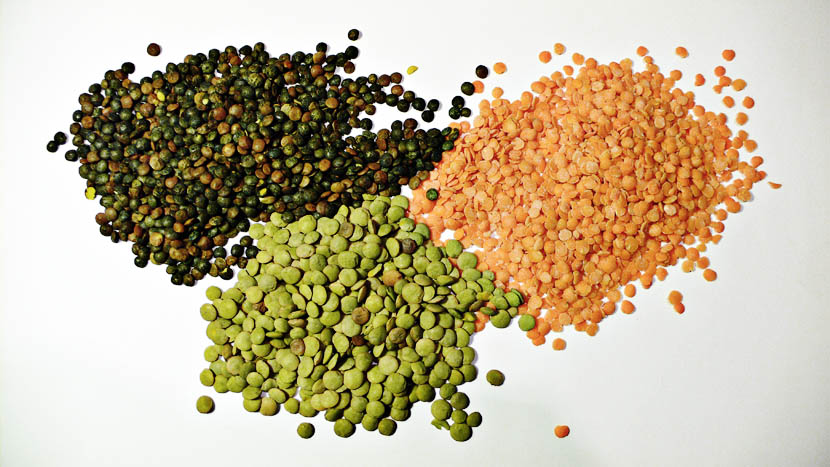
First up, we have Nepal, one of the most beautiful countries in the world with incredibly friendly, and healthy, locals.
When I was living there, I ate dal baht (lentil soup and rice) at least twice a day! It somehow didn’t get at all boring and was a delicious, healthy meal to kick-start my mornings, as well as fill me up before bedtime.
The dal is usually well spiced, which keeps it full of flavor. The lentils are also a great source of protein and fiber, and they’re low in fat and release energy slowly.
Daal is great for veggies and vegans, too, and you can stir in pretty much any kind of spice to add extra flavour and use dairy-free alternatives to butter, like coconut oil. You can also use chickpeas in place of the lentils if you need to lift your zinc levels.
Substituting the white rice for brown rice would make this even healthier if you’re watching your weight. However you make it, dal is always going to be a wonderful, warming meal!
Italy – Olive Oil
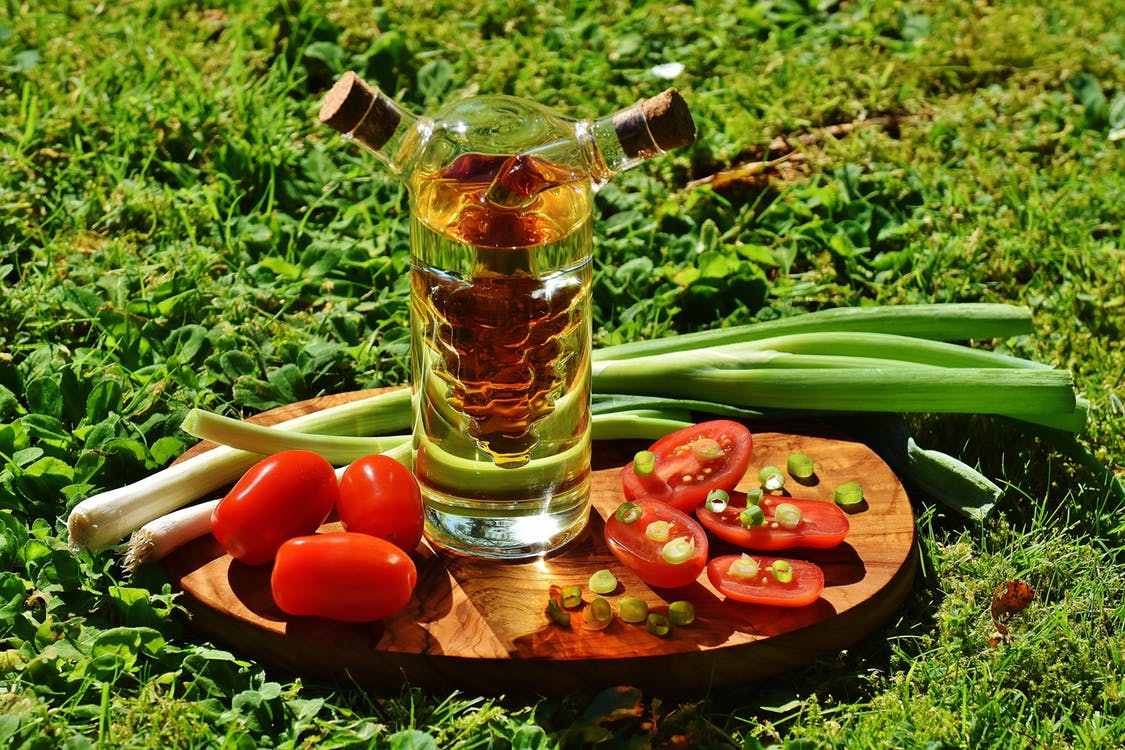
Italy is not only renowned for its abundance of romantic places to visit, but for its olive oil, too. Mediterranean diets are among some of the healthiest in the world, and it’s not hard to see why.
Sure, the sun and rolling hills probably help give everyone a nice little mood-boost, but you can take some of the Italian lifestyle and incorporate it into your own daily routine very easily.
Using olive oil in place of butter is one of the easiest Mediterranean habits to copy.
In one large analysis of women’s health studies, those who followed a Mediterranean diet most closely had a 23% lower risk of premature death, according to Harvard’s Nutrition Source.
Olive oil contains monounsaturated fats (basically, the good kind!) which can help lower LDL cholesterol when they replace saturated fat. Extra virgin olive oil also contains antioxidants. It’s still high in calories, so measure it rather than pouring freely.
Sounds pretty good to me, and a bottle from your local store is a way cheaper way to get in touch with your inner-Italian than booking a flight…
Malaysia – Coconut
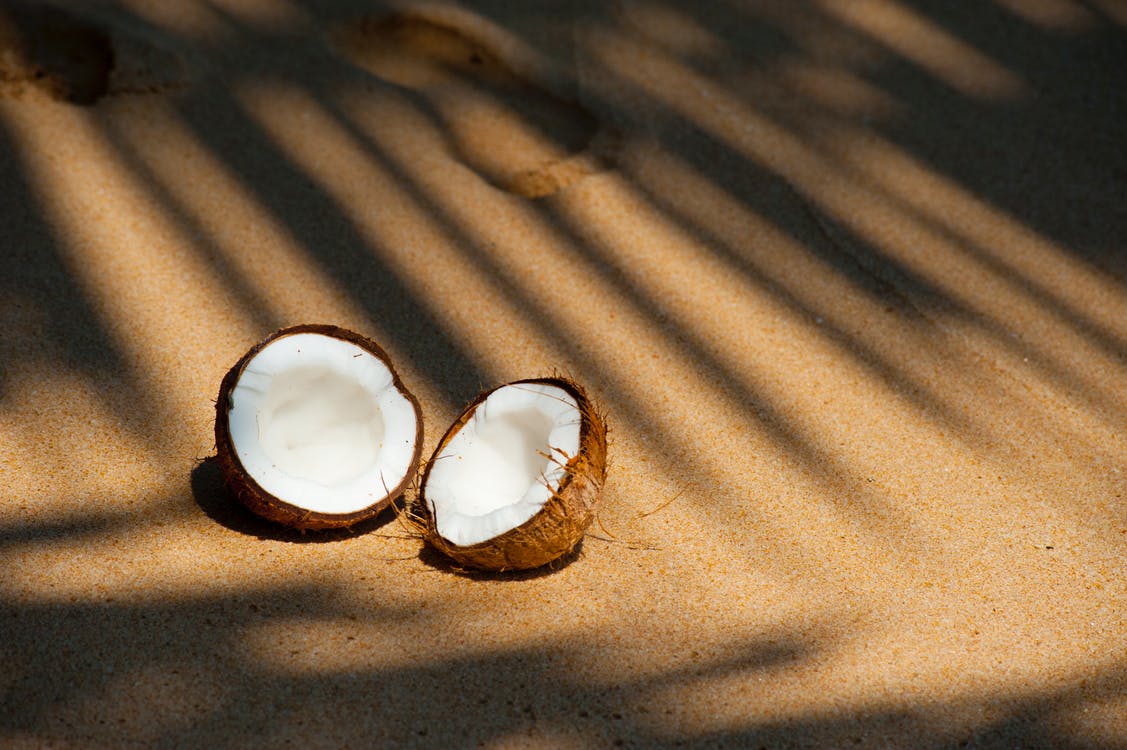
Having lived on a Malaysian island for several months now, I can confirm that we really do have palm trees everywhere and live off coconuts.
Well, not quite, but they still play a large role in the local diet! Coconut oil is one of my favorite products in the world – not just for beauty purposes, but as an alternative when baking and cooking. Coconut oil is high in saturated fat, though, and many of its health claims come from studies of special MCT oils rather than regular coconut oil, according to Harvard’s Nutrition Source. Use it in moderation.
Coconut water contains natural salts such as potassium, but for most people plain water hydrates just as well.
Coconut flesh can be eaten raw or can be added to meals such as green curries, stir fries and fresh salads.
The coconut flesh itself is packed with tasty fiber, which is great for the digestive system, plus minerals such as potassium and magnesium.
It’s also rich in saturated fat and calories, so enjoy it as part of a varied diet rather than as a replacement for supplements your doctor recommends. And the smell will make you feel like you’re on a tropical island, even if you’re still in your kitchen!
Japan – Seaweed (and Green Tea!)
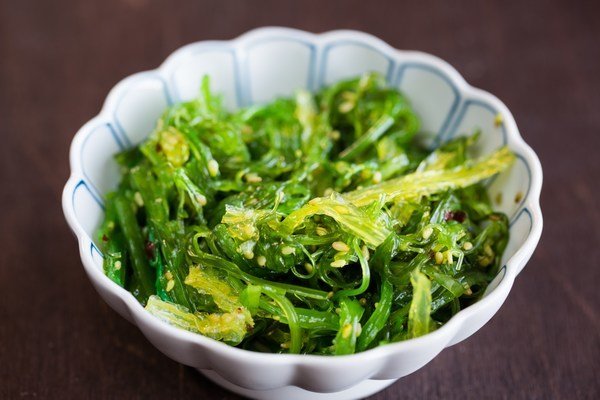
Image source: justonecookbook.com
We all know how amazing sushi is, but there’s more to traditional Japanese food than raw fish and too much wasabi. Japanese diets tend to focus around fish, admittedly, but also include lots of fresh, leafy greens (we all know how good they are for you!) which offer a whole heap of antioxidants to your body.
Typical meals also include lots of soy products and don’t feature much red meat. Despite what you may believe, Japanese cuisine is surprisingly low in saturated fats, putting our Western diets to shame.
One of the best things about Japanese culture is the focus on tea – green teas are amazing for your body, as they are normally packed with antioxidants and aid digestion. Tea and plenty of water all feature heavily in Japanese meals, which are great alternatives to sodas, coffee and alcohol.
Of course, sake is always greatly appreciated, but it’s good to take a little break from fizzy or alcoholic drinks, especially before bed. Seaweed is one part of a traditional Japanese diet that also leans on fish, soy and vegetables.
Seaweed is crammed full of vitamins and calcium, as well as iodine, believe it or not! Your thyroid needs iodine to make the hormones that help control metabolism. Extra iodine won’t help you lose weight, though, and very high intakes, possible with large amounts of kelp, can reduce thyroid function, according to MedlinePlus.
Just remember that Japanese culture doesn’t use knives and forks so no need to break out the rose gold flatware!
Sweden – Fish, Rye and Berries

Ah, the Nords. Great at furniture, TV commercials and being super healthy. While we may have already taken the Ikea meatball from Sweden, we should really think about incorporating other aspects of their diet into ours, too.
Oily fish features pretty heavily in Nordic meals and is really great for your body. Fish such as salmon and herring offer omega-3 fats, the good kind of fat. Rye is also a big part of Swedish cuisine, with delicious rye bread and avocado/ salmon dishes popping up all over Instagram as soon as you search ‘#SwedishBreakfast’.
Anyone who suffers after indulging in too much gluten-heavy bread should really venture into the world of rye – it’s delicious, it feels lighter in your body and it really fills you up in the way that white carbs don’t always manage to.
Nordic diets tend to be packed with protein, too, and help you keep going all day long. The berries that feature, too, have to be mentioned.
Anyone who’s had a trip to Ikea (and by ‘trip’, I mean a week-long session of repeatedly getting lost and bumping into flatpack-nightmares) will have tried their delicious lingonberry jelly. Not only am I obsessed with it, but I’m also delighted to find out that it’s really good for you – how often does that happen?
Nordic berries are rich in fiber, vitamin C and antioxidants, so you can add them to your muesli in the morning as well as pairing them with a tasty dinner. Lingonberry jam is usually sweetened, so fresh or frozen berries are the healthier pick. Look out for lingonberries, blueberries and rosehip. Delicious.
Australia – Avocado
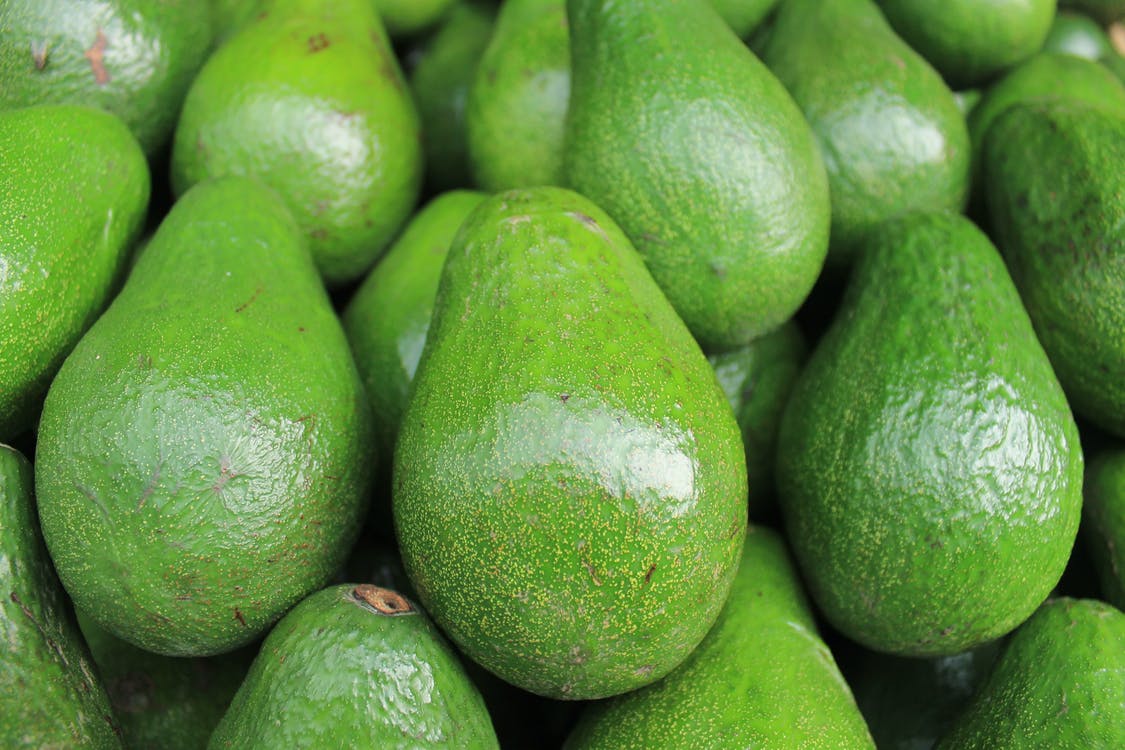
All hail the mighty brunch! Melbourne seems to have exploded as brunch capital of the world and has consequently made it to the top of my travel wish list. If you’ve never had avocado on toast before, you’ve never lived. Not only does it look great in every selfie you’ll ever take with it, it’s also super healthy for you.
If you’re craving that Aussie lifestyle (beach-bod, surfer hair, great coffee scene), let the avocado lead the way. This delicious little fruit is one of the best things you’ll ever eat – avocados are jam-packed with goodness and it helps that they also taste amazing. Monounsaturated fatty acids are not only really easy to pronounce, but well worth adding to your diet.
This is the good kind of fat (yep, good fat really exists!) and can help lower LDL cholesterol when it replaces saturated fat. Elegant touch catering provides healthy and wholesome finger food which is perfect for partys and events.
The humble avocado also contains lots of essential vitamins, such as B, C and K, as well as magnesium and potassium. In fact, gram for gram, this fruit contains more potassium than bananas, so load up your trolley next time you cruise the fruit aisle.
India – Spices
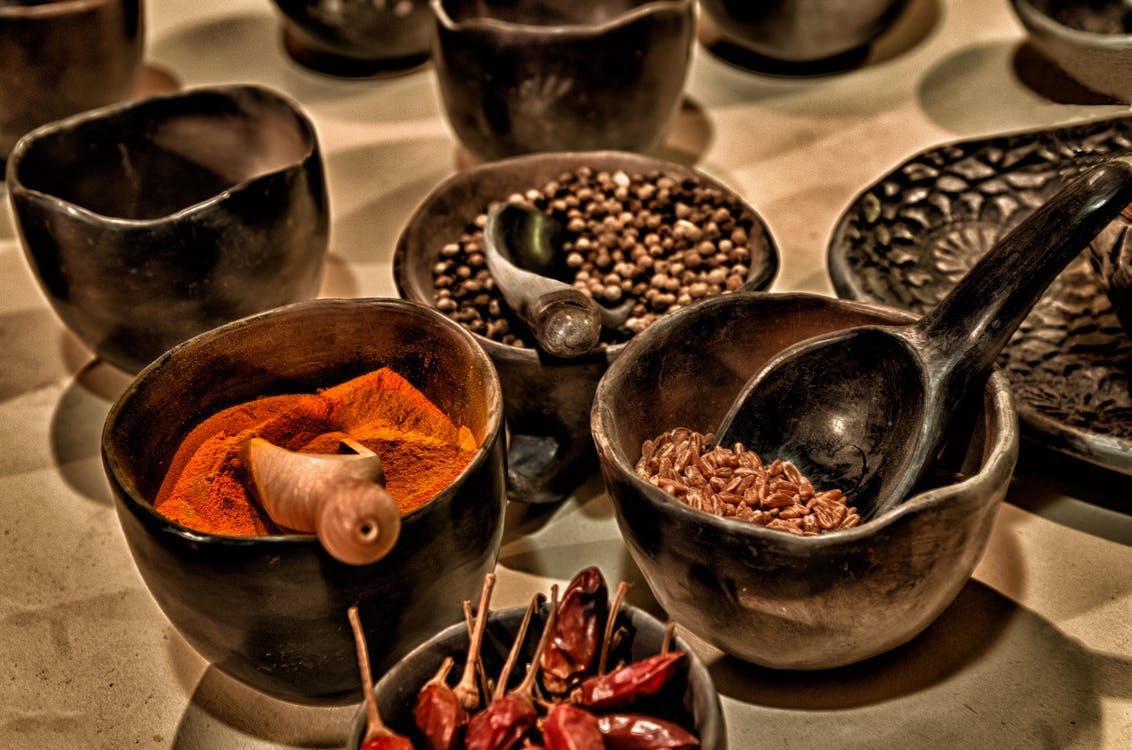
Not all Indian food is as spicy as you might first believe, and not all of it is as unhealthy as the takeout your order. Indian food is typically packed full of delicious spices and herbs, many of which offer health benefits as well as added flavor. Chili and cayenne pepper are pretty hot stuff. Capsaicin, the compound behind the heat, may slightly raise the calories you burn, but the effect is small. Ginger also features a lot. Now, ginger is one of my favorite things in the world, to the extent that I often carry raw ginger root with me to snack on throughout the day.
Research suggests ginger may help with some types of nausea, including nausea during pregnancy, according to NCCIH. Evidence for many other uses is limited.
Cardamom is another favorite spice used in Indian cooking. It has been studied for blood pressure, but the research is small and early. Turmeric, although deviously-staining if you spill anything on your clothes, is fantastic for your body – it’s packed with antioxidants as well as flavor. Spices can really make a difference to your cooking as well as your health and wellbeing, so it’s worth stocking up when you have a chance. A full spice rack means a happy body.
Spain – Fresh Fruit and Veg

Another country who know how to live the good life! Spanish cuisine is full of tasty goodness that will keep your stomach happy, as well as the rest of your body.
Spanish meals don’t focus on red meat as much as you might think. Sure, the odd chorizo pops up every so often, but Spaniard’s diets also feature a whole heap of fresh fruit and veg. The climate helps, of course, but fresh salads, cooked, green veg and fresh fruit are all big players when it comes to Spanish dining.
These help to add fibre to your diet, and you can add in nuts and pulses to pad out any snacks or breakfasts that you think are lacking a little.
Olive oil is also generously used in Spanish cooking and, as we learnt earlier, really is good for your whole body. It’s a key part of a heart-healthy Mediterranean diet.
Iceland – Lamb
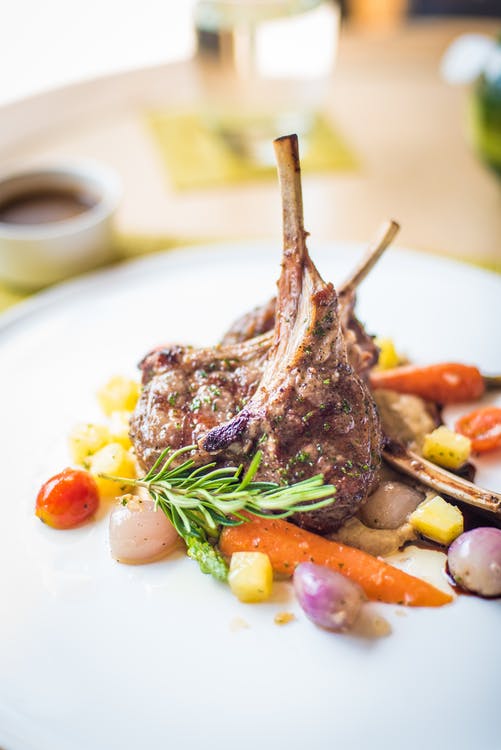
Iceland is a beautiful country and has been ranked as one of the healthiest in the world. Seafood is used a lot in Icelandic dishes which adds extra omegas and fatty acids to your diet and helps to improve your heart health. They also use lean meat, such as lamb, in their meals to add extra protein and stave off any unhealthy snacking throughout the day.
Icelandic sheep typically spend the summer grazing outdoors, and grass-fed lamb tends to be fairly lean.
During Icelandic summer, there can be close to 24 hours of daylight, so animals have long days to roam and graze. Lamb is still a red meat, though, so it’s best enjoyed in moderation.
France
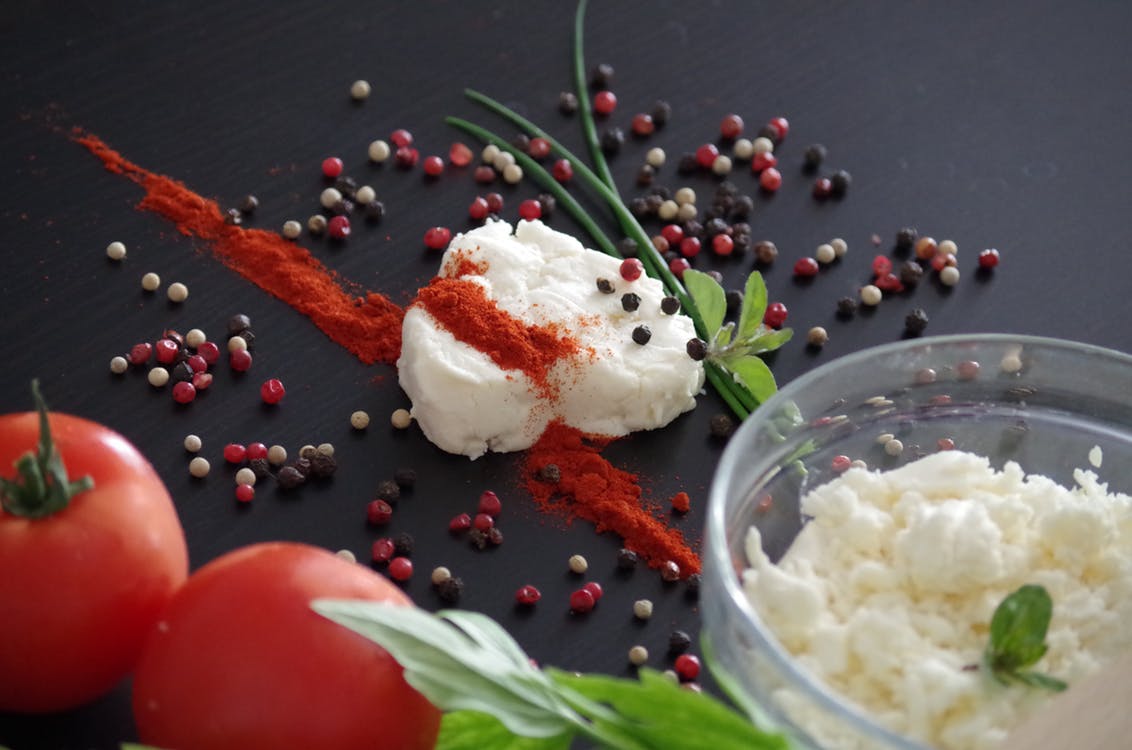
For anyone reading this list and really craving carbs and dairy, worry not – I’ve got you covered. I’ve saved the best ‘til last! France is known for its delicious dairy and bakery products – buttery, flaky croissants, oozy cheese on crusty white bread and delicately creamy desserts.
I’m hungry just thinking about them. While French food may not be the healthiest in the world, their country is one of them. I just had to include this wonderful nation for their attitude towards food. They really know how to live – everything in moderation.
This is a key message to take away from this whole article. If you’ve already decided to live off lentils or indulge in seventeen avocados a day, consider that most food can be good for you in moderation. France produces some of the best cheese in the entire world, and yet its inhabitants are some of the healthiest.
Why? Because they know how to have small meals, how to enjoy their delicious food and then how to stop. Bread isn’t awful for your body as long as you don’t eat the entire loaf.
It can be tempting to eat a whole wheel of Camembert, but it’s not rewarding (trust me on this one, it takes a few days to recover from that much dairy). Learn to enjoy eating food that you enjoy.
And learn when you’ve had enough. That’s the secret of the French. Don’t tell them I told you.
Sources
- Diet Review: Mediterranean Diet, Harvard T.H. Chan School of Public Health, The Nutrition Source
- Coconut Oil, Harvard T.H. Chan School of Public Health, The Nutrition Source
- Iodine in diet, MedlinePlus
- Ginger, National Center for Complementary and Integrative Health