A Guide To Laser Acne Scar Removal
Contents
- Laser Acne Scar Removal
- Where Do These Acne Scars Come From?
- Why Do They Scar?
- Types of Acne Scars Treated with Laser Treatment
- Post-Inflammatory Hyper-Pigmentation (PIH)
- Keloid Scars
- Atrophic Scars
- Hypertrophic Scars
- Which Laser Types Work for Fixing Acne Scars?
- Ablative Laser Treatment
- Non-Ablative Laser Treatment
- What Lasers Are Used in Acne Scar Removal?
- CO2 Laser Acne Scar Therapy
- Fractional/ Fraxel Laser Procedure
- Erbium YAG Laser Treatment
- Are There Any Side Effects to Acne Scar Laser Treatment?
- Redness, Swelling and Itching
- Acne Outburst
- Skin Infection
- Skin Color Change
- Laser Acne Scar Removal, Is It Worth It?
- Sources
Pimples, acne, cysts, we hate them all. The annoyance caused by the looks of these things on our faces can be really troubling.
If these aren’t bad enough when they’re there, you then have to deal with another problem, acne scars.
These very words are enough to send shivers down any one’s spine. The problem is, most of us have to face this issue one way or another.
Not to worry though. Most of you must already be panicking. The good news is that treatment can make acne scars much less noticeable, even if it rarely erases them completely.
There are ways to help remove acne scars. You can rest assured that there have been some real leaps when it comes to skin treatment technology.
Laser therapy is one of the most common options.
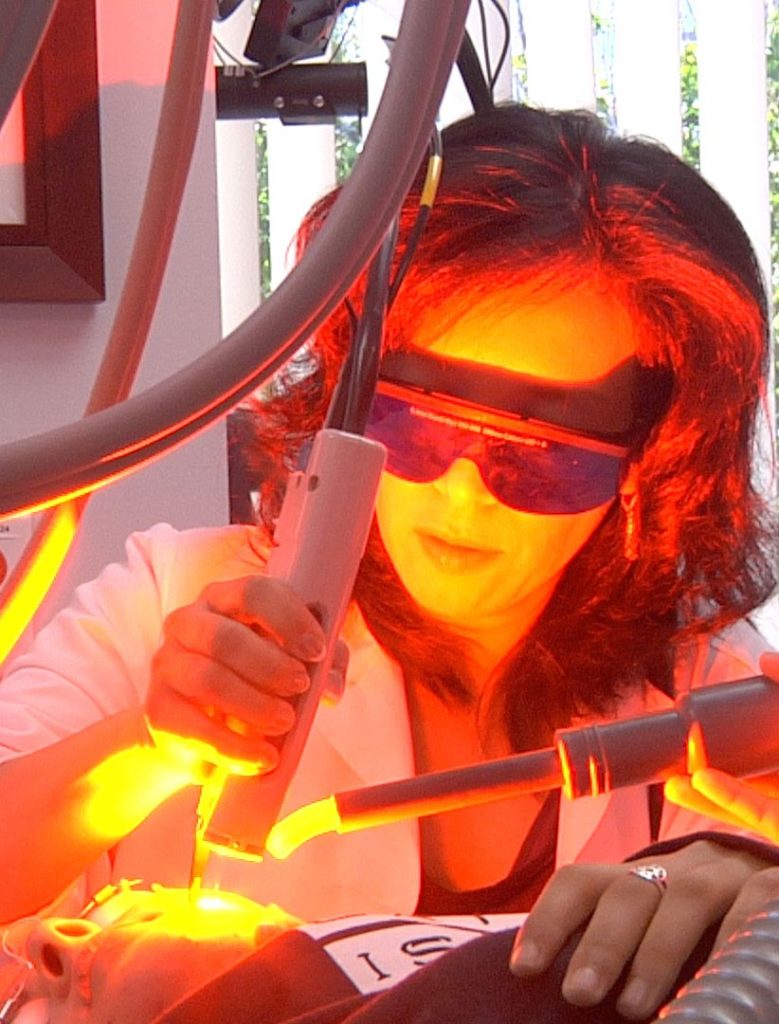
Laser Acne Scar Removal
Yes, lasers! No longer are these just the weapon of choice of the science fiction universe. Lasers are now a big part of our world, in a good way.
Laser resurfacing doesn’t involve cutting, but it isn’t medicine-free.
The skin is numbed first, and many people take antibiotics or antiviral medicine around treatment to prevent infection, according to Cleveland Clinic.
In order to guide you through this, we’ll discuss the matter of laser skin treatment with you so you know you’re on the right track.
We’ll let you know what happens during a laser treatment process. We’ll also go into what the different laser acne scar removal methods are.
Lastly, we’ll discuss whether there are any side effects of undergoing this procedure.
But first, let’s talk about how these acne scars form in the first place.
Check out a comprehensive guide of how to get rid of acne on Skinhelpers.
Where Do These Acne Scars Come From?
First things first, before we get into the whole laser treatment thing, you need to know what these acne scars are and how they form. This may help you prevent them from happening in the first place.
After all, prevention is better than cure. It’s best to familiarize yourself with this process as understanding the problem is the first step in taking care of it.
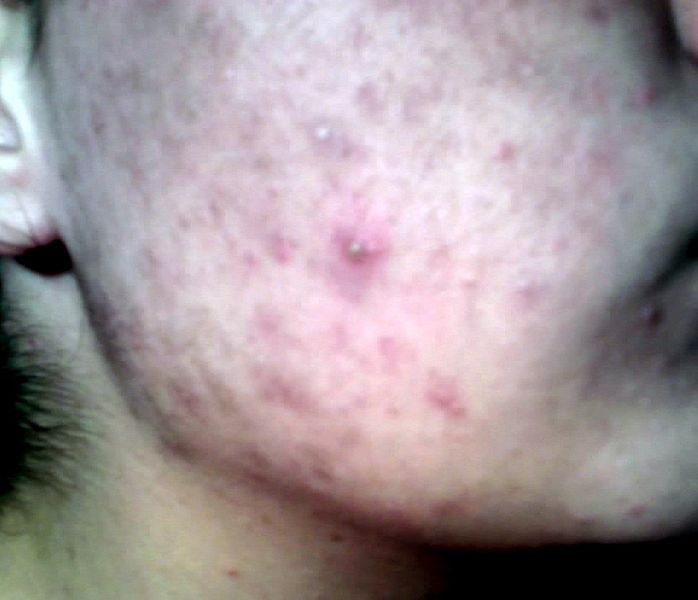
Acne scars are the results of acne formation. When acne forms on the skin as a papule or cyst, it causes inflammation of the lesion.
This mostly results from dead skin cells getting trapped in hair follicles (pores), where bacteria can then multiply.
Another factor that causes this issue is the oil excreted by the skin.
This oil too tends to get clogged in the lesion. The whole thing just becomes a big pile of rubbish.
Why Do They Scar?
Once this mess gets too much to handle for the pore, it starts to expand. Because the pore can’t deal with it, its surrounding walls start to crack.
However, if something like this takes place close to the skin’s surface, the pore usually ends up healing itself quite fast. This is an issue quickly resolved as it’s only minor.
But this isn’t the case for every pore as the wall of the follicle is sometimes damaged beyond the repairing capabilities of our bodies.
This is when things get really serious. The result is that all that clogged mess ends up getting infected.
As you’re aware, infections love to spread and that’s exactly what they do here. They spread to the neighboring healthy skin cells and start damaging them too.
As is the way our bodies, they to make repairs but the problem is that this kind of damage is beyond our natural capabilities.
Even though the skin adds more strength and flexibility in its quest to repair the damage by making new collagen fibers. Unfortunately, it’s not enough.
This is where the skin starts to lose its smooth clean look and ends up having scars that, if not treated, can permanently embed itself in your skin.
Types of Acne Scars Treated with Laser Treatment
There are various types of acne scars that can be treated with lasers.
Whatever type of acne scars you have, rest assured that you can treat them with the latest in dermal technology.
The following are acne scars that you can treat:
Post-Inflammatory Hyper-Pigmentation (PIH)
Even though these aren’t assigned to the acne scar category, they’re a nuisance for the skin none the less.
They cause flat dark spots rather than a change in skin texture.
Some lasers can treat them, but lasers can also trigger new dark spots, especially in darker skin. A dermatologist can tell you whether a laser, a topical treatment or time is the best fit.
Keloid Scars
Keloids are raised scars that form when the body makes too much collagen. They can grow larger than the original blemish.
The American Academy of Dermatology says keloids can be hard to treat and sometimes return.
Dermatologists often combine treatments, such as corticosteroid injections, laser therapy, surgery or freezing.
Atrophic Scars
There are two specific types of this scar, namely Ice Pick Scar and Boxcar. Atrophic Scars are another one of the most common acne scars.
These materialize as pocket-like indentations on the skin. Rolling scars are another depressed type, and each type may need a different treatment.
Hypertrophic Scars
Can be easily confused as a Keloid scar as these scars are quite similar in appearance.
They’re firm to the touch and pink in color. These are raised scars, but unlike Keloid scars they stay within the area of the original blemish.
If you’re lucky these can sometimes fade away with time. In case they don’t, there’s always the skin laser procedure to get rid of them.
Which Laser Types Work for Fixing Acne Scars?
When it comes to laser treatment therapy, there are two types of treatments that are performed nowadays. They’re as follows:
Ablative Laser Treatment
The intensity of this laser is high among the two laser therapies. It’s stronger and harsher as it removes the patches of skin surrounding your scar.
If your scars are more severe, then the number of treatments may increase over a course of two to three months, depending on the individual case. As it’s a harsh procedure, the recovery is a bit longer.
You need to give your skin time to heal properly. Used for the worse of the acne scars, this treatment allows skin to re-grow afresh, giving you a smooth new look.
Non-Ablative Laser Treatment
This laser therapy is less intense and is usually for when the scars aren’t too deep and require minor healing.
The recovery time for this treatment is also shorter due to the lower intensity of the laser. Results build gradually, usually over several sessions.
What Lasers Are Used in Acne Scar Removal?
The laser has come a long way. From science fiction novels, TV shows and movies, we now have lasers helping mankind take care of various health problems.
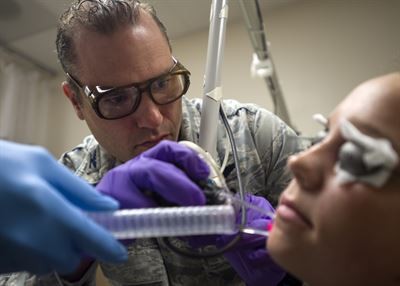
Laser treatment has become very common in dermatology. It’s one of several options for acne scars, alongside microneedling, chemical peels and other treatments.
Keep on reading to find out more about the different laser treatments you can undergo for acne scar removals.
CO2 Laser Acne Scar Therapy
Many dermatologists consider fractional CO2 the best way to get those scars cleaned up, although results vary. This procedure is ablative, so it’s harsher on the skin.
The laser removes thin outer layers of skin and triggers new collagen as the skin heals. It treats the scar, not the acne that caused it.
The area is numbed first. Afterward, skin can feel sunburned, itchy or stinging for a few days.
Cleveland Clinic says CO2 recovery takes up to two weeks. Redness usually fades within two to three months but can last up to a year.
Fractional/ Fraxel Laser Procedure
Fractional lasers treat tiny columns of skin and leave the skin around them intact, which helps it heal faster.
They come in both non-ablative and ablative versions; fractional CO2 is ablative. Non-ablative fractional lasers are often used for milder scars.
Cleveland Clinic puts fractional laser recovery at about one week.
Erbium YAG Laser Treatment
Even though this laser is ablative, it’s less harsh than CO2 laser treatment.
This procedure is used for scars that are not yet severe and require the use of a laser that’s moderately high in intensity.
Recovery takes about one week, and it causes less swelling, bruising and redness than CO2.
People with darker skin have a higher risk of dark patches after laser resurfacing. Erbium may be a better choice for them, but see a dermatologist experienced in treating skin of color.
Are There Any Side Effects to Acne Scar Laser Treatment?
There are some side effects that can be caused by laser acne scar removal therapy.
However, they can be taken care of with proper aftercare. Some side effects that usually occur after a laser procedure are as follows:
Redness, Swelling and Itching
These are most common side effects of laser therapy. You’ll notice your skin becoming swollen and red. The intensity of these side effects depends on the level of intensity of the laser therapy.
This redness usually fades within two to three months, but it can last up to a year. Follow your dermatologist’s aftercare instructions closely.
Acne Outburst
Okay, so this is the scary part. You must be wondering about going through all the trouble to get rid of acne scars only to end up with more acne?
Well, let’s put your concerns to rest as this is only temporary.
Heavy creams and dressings used after treatment can trigger breakouts or milia, which are tiny white bumps.
Milia can last up to a month. Tell your doctor if breakouts are bad or don’t settle.
Skin Infection
Because the laser has broken up parts of your skin, it may become susceptible to outside viral and fungal invasion.
Your doctor may prescribe antibiotics to prevent bacterial infection. Laser treatment can also reactivate cold sores around the mouth, so antiviral medicine is often given if you’ve had them before.
Skin Color Change
Laser treatment may also cause some discoloration of the skin. Usually, the skin goes darker or lighter than the original tone.
Darker patches can often be treated with a bleaching cream once the area has healed. Lighter patches are less common and harder to fix.
Laser Acne Scar Removal, Is It Worth It?
Whether you get them during your teenage years or even during your adult years, acne scars can be a real pain in the butt!
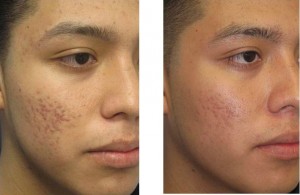
If you have acne scars that bother you, laser therapy is worth discussing with a board-certified dermatologist. Tell them about any acne medicines you’ve used in the past two years, since some can cause problems with scar treatments.
Lasers are the future not just in the skin treatment field, but in other medical domains as well.
The best thing to do if you wish to undergo a laser acne scar removal therapy is to consult with a reputable and experienced skin specialist.
We hope you found this article helpful. Why not share your views in the comments below?
If you’ve undergone the procedure or are planning to go for it, we we’d love to hear what you have to say.
Sources
- Acne scars: Consultation and treatment, American Academy of Dermatology
- Laser Skin Resurfacing, Cleveland Clinic
Johnathan Clark
Skin Helpers
I’m an individual with more than 15 years of experience as a consultant in the pharmaceutical and cosmetics industry. The last 5 years, I’ve been specializing in acne treatment and analyzed more than 100 products. On Skinhelpers, I help people with skin problems.