
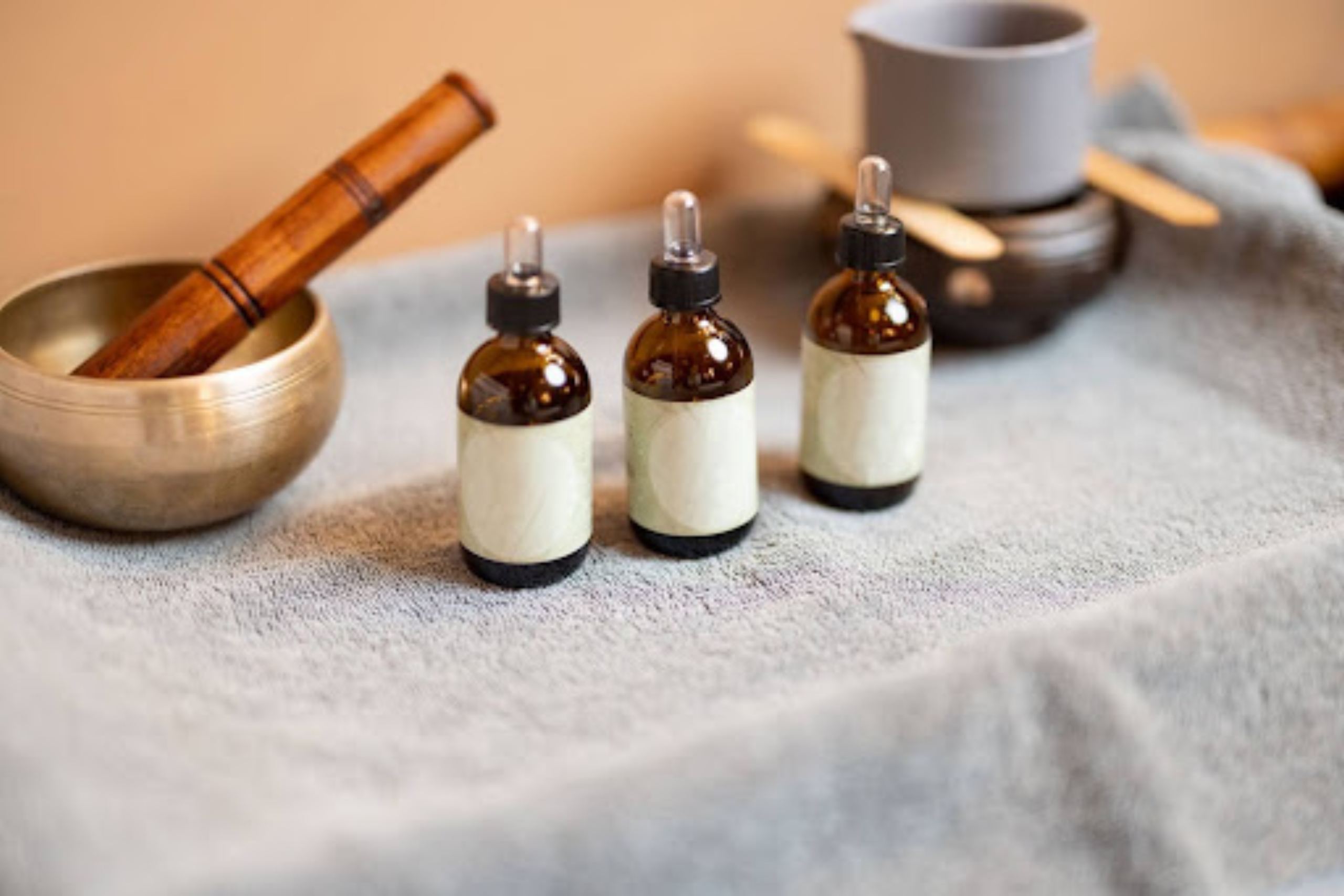
Is Aromatherapy Effective?
How does aromatherapy work? And, just as importantly, how effective is it in terms of managing the symptoms of different illnesses and ailments?
There are arguments to suggest that aromatherapy, the practice of using essential oils to boost well-being, can help manage a variety of health conditions.
Some of the conditions that are said to benefit from aromatherapy treatment include disordered sleep, stress, and even some symptoms of mood disorders diagnosed by mental healthcare professionals qualified through online PMHNP programs or similar degrees.
But is aromatherapy actually effective in managing health conditions and their symptoms?
Let’s discuss.
How Does It Work? Aromatherapy in Practice
Aromatherapy, the therapeutic use of essential oils, is a holistic treatment – a form of complementary and alternative medicine (CAM). In practice, aromatherapy involves patients participating in either the topical application of natural, plant-derived oils to the skin or, alternatively, ingesting or inhaling these oils into the body.
Aromatherapy is not a new phenomenon. It’s been around for centuries. But today, it’s often used alongside other therapies to complement a holistic treatment plan. So, how does it work?
Essentially, aromatherapy is said to work by stimulating our nervous system when essential oils are absorbed by the body. The absorption of these oils is thought to send signals to our brain and offset chemical reactions in our bodies, helping us release feel-good hormones such as serotonin, endorphins, and dopamine.
For this reason, aromatherapy is considered by some to help treat the symptoms of certain mood disorders, including feelings of stress, depression, or anxiety.
What Does it Promise to Do? Conditions that Are Often Treated with Aromatherapy
There are many health claims that supporters of aromatherapy make.
For example, topical application of essential oils has been said to be effective in the treatment and management of bodily pain, as well as being able to soothe stiff, sore joints. Aromatherapy is also considered by many to help improve sleep quality, as well as being able to reduce the symptoms associated with headaches and migraines. In addition to this, using essential oils has been said to lessen the severity of menstrual cramps, and even pregnancy and labor pains.
Perhaps the biggest claim of all? The effectiveness of aromatherapy in treating symptoms of mood disorders. Yes, it’s been claimed that essential oils can be used to soothe feelings of extreme stress, anxiety, and even depression.
Aromatherapy supporters suggest, as discussed earlier, that its application is effective in stimulating the nervous system and increasing the production of certain chemicals in the brain. But the truth? To date, there’s been little evidence to indicate that aromatherapy is a proven science that can help treat these symptoms.
There are arguments to suggest it might even be dangerous to try to use solely aromatherapy in an effort to replace medically and scientifically proven treatments. For psychiatric patients, for instance, using essential oils in place of medications prescribed to stabilise and regulate diagnosed mood disorders sounds too good to be true.
As such, patients with psychiatric conditions like depression, anxiety, bipolar disorder, or schizophrenia, for example, should always consult with the relevant treating doctors, who are more than likely to recommend that patients do not self-medicate, whether that’s with essential oils or other substances.
Is it Effective? Aromatherapy’s Reputation vs. Reality
So, does aromatherapy work?
While there are certainly merits to using aromatherapy to treat some health symptoms, it’s important to note that using essential oils is not a replacement for medical treatment. Instead, aromatherapy should be considered a complementary addition that can be used to supplement a holistic treatment plan.
As mentioned earlier, if a patient is suffering from symptoms of either a physical illness or a psychological disorder, it’s always best to consult with the appropriate healthcare professionals who can provide the correct treatment and care for the relevant health condition.
On another note, but perhaps just as importantly, there are certain risks associated with aromatherapy treatment: the topical application of essential oils to the skin can result in skin irritation and, in some cases, dermatitis. Aromatherapy can also cause photosensitivity to sunlight in some patients.
The use of aromatherapy to treat certain symptoms and health conditions has been in play for centuries. It is not an entirely new practice, but rather, it has been a well-used treatment method in many cultures, for a variety of different ailments, including poor sleep quality, headaches, and relief from menstrual cramps.
But in terms of its effectiveness, and as noted today, aromatherapy cannot be considered a replacement for medical treatment. Instead, aromatherapy should really only ever be used to complement other therapies. This is especially true for patients with psychiatric conditions or mood disorders, who are likely to be advised by their treating health practitioners to avoid replacing prescribed medication with essential oils.


