5 Ways To Find Out If You Are Using Pure Leaf Kratom
Contents
- Before you buy Kratom, it is essential to check the quality of Kratom
- 1. Check The Color Of The Kratom Powder
- 2. Smell The Scent
- 3. Check The Gram Of The Content On The Label
- 4. Check The Address And Contact Details Of The Kratom Store
- 5. Ask About The Return Policy And Lab Testing
- Knowing if you are using pure-leaf Kratom helps you avoid adulterated products.
- What Does The Strain Do?
- Can Raw Leaves Be Used As A Natural Remedy For Opiate Withdrawal Symptoms?
- Final words on how to know you’ve received Pure Leaf Kratom
- Sources
Kratom is made from the leaves of Mitragyna speciosa, a tree native to Southeast Asia, where the leaves have traditionally been chewed or brewed as tea. Products sold today vary widely in strength and quality.
One of the main ways of taking Kratom is by drinking it as a tea, but how would you guarantee that what you are drinking is pure leaf Kratom rather than something else? In this article, we will look at 5 different ways to test your tea to see if it is pure leaf kratom or not:
Before you start, know where kratom stands legally and medically. The FDA has not approved any kratom product, says kratom is not lawfully sold as a dietary supplement, and warns against using kratom because of risks such as dependence, liver injury and seizures.
Before you buy Kratom, it is essential to check the quality of Kratom
- Look at the color and texture first. Color varies by strain and processing, so it can't prove purity, but clumps, mold or an uneven mix of shades are warning signs.
- Next, smell the powder. A musty, sour or chemical odor is a reason to skip that product.
Let’s read these points deeply and know if you are using pure leaf kratom or not.
1. Check The Color Of The Kratom Powder
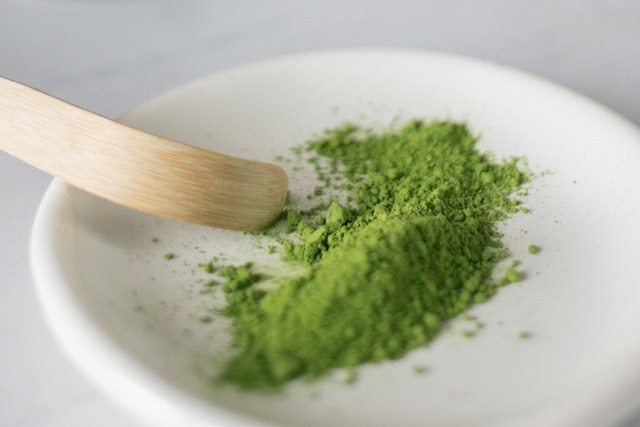
The first thing you should look at is the color of your kratom powder. Kratom powder is usually a shade of green or green-brown; the "red," "white" and "green" names refer to vein color and drying, not the color of the powder.
However, if you notice any signs of discoloration or moldy spots on the leaves, this may indicate that they have gone wrong and should not be used as they can cause health problems such as nausea and vomiting if ingested.
Color alone can't tell you whether a powder is pure or how strong it is. Only lab testing can do that.
2. Smell The Scent
The scent of a good quality Kratom is not the same as any other herb. Fresh kratom usually smells earthy and grassy.
It should not have any foul, musty or chemical odors. A strange smell can point to mold, poor storage or added ingredients, but a pleasant smell does not prove a product is safe or pure.
3. Check The Gram Of The Content On The Label
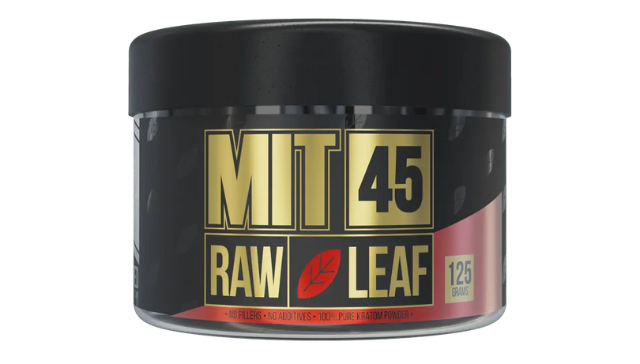
Another way to find out if you are using the right kind of Kratom is by checking the gram of content on the label. The label should list the net weight, the ingredients and a batch or lot number.
A kitchen scale can confirm the package holds what it claims. It can't tell you what is in the powder.
You should also make sure that what type of strains you want to buy are included in your pack; this way, there won’t be any surprises when consuming or mixing different types later on down the line!
Look for intact, sealed packaging that protects the powder from moisture and light. Damaged or reused packaging is a reason to return the product.
4. Check The Address And Contact Details Of The Kratom Store
If you want to ensure that what you buy is pure leaf kratom, it’s essential to check the seller’s address. If their address can’t be found or isn’t traceable, then there is a possibility that they may not be trustworthy.
Therefore, when buying from an online retailer, look at their profile and see if they have an official link where they list an address and contact information.
If you have any concerns about your purchase being genuine or not, try to contact them first before settling on whether it’s worth purchasing from them and if it would be worth paying for shipping costs (if applicable).
5. Ask About The Return Policy And Lab Testing
Ask the seller about returns and refunds before you order. A reputable seller should state its policy clearly.
Also ask for a recent certificate of analysis (COA) from an independent lab for the exact batch you are buying. It should report alkaloid content and screening for microbes such as Salmonella and heavy metals, problems the FDA has found in kratom products.
You could also read reviews from other customers who have purchased from this seller.
While we’re on the topic of refunds and returns, it’s worth pointing out that many people who use Kratom regularly report withdrawal symptoms when they stop taking it suddenly. The FDA has received reports of kratom use disorder, with cravings, tolerance and withdrawal.
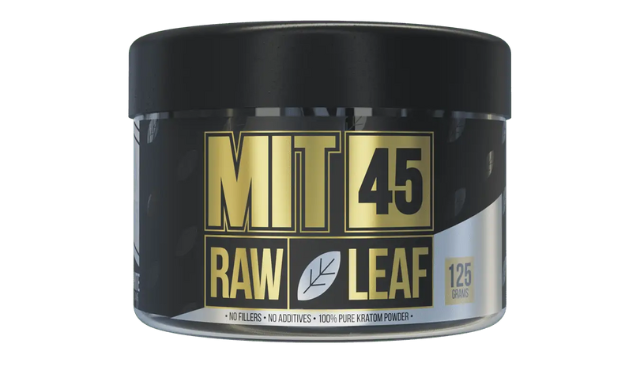
Knowing if you are using pure-leaf Kratom helps you avoid adulterated products.
If you want to know if you are using pure-leaf Kratom, then a few things should be taken into account. You can find out by taking these steps:
- Check the ingredients of your product. If it contains other ingredients besides kratom leaves, then it isn’t pure leaf at all.
These ingredients might include fillers, flavorings or added extracts. Be especially wary of products with added 7-hydroxymitragynine (7-OH), a concentrated alkaloid the FDA has taken action against.
- Look for a recent, batch-specific lab report from an independent testing lab. It should show that the batch was screened for contaminants. If a seller can't provide one, don't buy it.
What Does The Strain Do?
Kratom contains alkaloids, mainly mitragynine, in its leaves and is sold as powder, capsules or extracts. At low doses it can act as a stimulant, and at higher doses it can have opioid-like effects.
Sellers market strains for pain relief, energy or mood, but strain names are not standardized, and these effects have not been proven in well-designed human studies.
Depending on what strain you choose, Kratom can have a variety of different therapeutic effects. The effects depend on which alkaloids are present in each strain and how much is taken, and they vary from user to user. Research is still early, and side effects can include nausea, constipation, dependence and, rarely, liver injury or seizures.
Can Raw Leaves Be Used As A Natural Remedy For Opiate Withdrawal Symptoms?
Some people use kratom to self-treat opioid withdrawal, but the FDA says this use has not been validated and warns against it. Kratom itself can cause dependence and withdrawal.
Opioid withdrawal and opioid use disorder have proven, FDA-approved treatments, such as buprenorphine and methadone. If you are dealing with opioid use, talk with a doctor or call the free, confidential SAMHSA National Helpline at 1-800-662-4357.
Don't use kratom with alcohol, opioids or sedatives, and talk with a doctor before using it for pain from arthritis, back problems or any other condition.
Final words on how to know you’ve received Pure Leaf Kratom
- Check the color of the kratom powder. The color of your kratom powder should be consistent within a batch. Spots, clumps or mixed shades can mean moisture damage or blending.
- Smell the scent of your kratom powder. Pure leaf kratom usually smells earthy and grassy.
If your powder has a musty, sour or chemical odor, don't use it.
Color and smell are only rough clues. A batch-specific lab report from an independent lab is the best way to check what you are buying.
If you choose to use kratom, know the risks, avoid mixing it with other substances, and talk with your doctor, especially if you take medicines or are pregnant.
Sources
- FDA and Kratom, U.S. Food and Drug Administration
- National Helpline for Mental Health, Drug, Alcohol Issues, SAMHSA