8 Key Ingredients in Weight Loss Supplements: What the Evidence Says
Contents
Losing weight can be a challenging process. Diet and exercise are the foundation, and supplements add little at best. With so many options on the market, it can be hard to know which ingredients are effective and safe.
The FDA does not approve dietary supplements before they are sold. The National Center for Complementary and Integrative Health warns that many weight loss supplements have not been tested for safety and that labels do not always match what is in the bottle.
Here are eight common ingredients and what the evidence shows:
1. Capsimax
Capsimax is a branded extract made from capsicum, piperine (black pepper), caffeine, and niacin (vitamin B3). Want to know how Capsimax works? The capsicum provides capsaicin, which may slightly raise calorie burning and reduce appetite for a short time.
Caffeine can give an energy boost. Evidence that piperine or niacin helps with weight loss in people is lacking. A few small, company-funded studies of Capsimax have reported modest effects, but there is no strong evidence that it causes meaningful weight loss.
Capsicum and caffeine can cause stomach upset, a fast heartbeat and jitteriness, especially with other stimulants.
2. Green Tea Extract
Green tea extract is a concentrated form containing epigallocatechin gallate (EGCG) and caffeine. NCCIH says the catechins and caffeine in green tea may have a modest effect on body weight at most.
Green tea extract pills have been linked to liver injury in some people, which is uncommon but can be serious. Stop and see a doctor if you notice yellow skin or eyes, dark urine or belly pain.
3. Conjugated Linoleic Acid (CLA)
CLA is a group of fatty acids found in meat and dairy that is sold as a fat-loss supplement. Scientific studies performed on animals suggest it may reduce fat storage. In human trials, any effect on body fat has been small, and CLA can cause stomach upset.
4. Acetyl-L-Carnitine
Carnitine helps move fats into cells to be used for energy, and the body makes enough on its own in most people. Studies of carnitine supplements for weight loss show little or no benefit.
Carnitine can cause nausea, stomach upset and a fishy body odor. There is no proven effective dose for weight loss.
5. Green Coffee Bean Extract
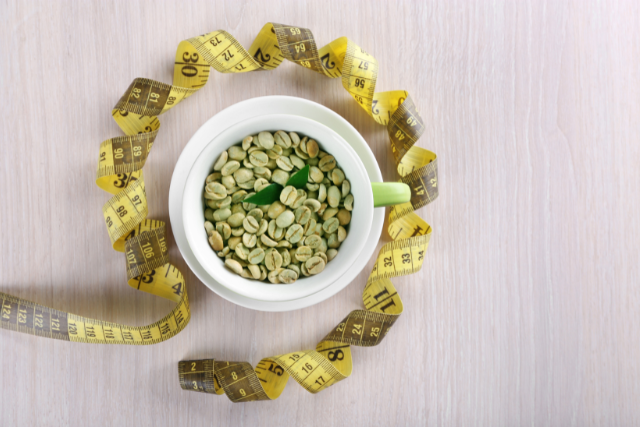
Green coffee bean extract comes from unroasted coffee beans. It contains chlorogenic acid, which has been studied for effects on fat and blood sugar. Good evidence that it causes weight loss is lacking.
A well-known study behind green coffee hype was called “hopelessly flawed” by the Federal Trade Commission, and the company that funded it paid $3.5 million to settle charges in 2014.
6. Glucomannan
Glucomannan is a water-soluble dietary fiber from the Konjac plant. It can absorb a large amount of water in your gut, forming a bulky gel. This may promote feelings of fullness and delay stomach emptying. It may help you eat a little less, but studies show little effect on weight. No supplement can target belly fat.
Take fiber supplements with plenty of water, and ask a doctor first if you have trouble swallowing or take other medicines, since fiber can affect how some drugs are absorbed.
7. Chromium
Chromium is an essential mineral that helps regulate insulin, the hormone needed to stabilize blood sugar levels. Studies of chromium supplements, often as chromium picolinate, show at most a very small effect on weight.
If you have diabetes, talk with your doctor before taking chromium, because it may affect blood sugar along with your medicines.
8. Garcinia Cambogia
Garcinia cambogia comes from a tropical fruit native to Indonesia. It contains hydroxycitric acid (HCA), which can inhibit an enzyme needed for fat production. According to NCCIH, it is unclear whether garcinia helps with weight loss. Some studies show a modest effect and others show none.
Cases of liver damage, some severe, have been reported in people taking garcinia products, and it may interact with some medicines.
None of these ingredients has strong evidence for meaningful weight loss, and several carry real risks. Be wary of proprietary blends that don’t disclose specific amounts, and of any product that promises fast or effortless results.
The FDA has also found weight loss products tainted with hidden prescription drug ingredients. Talk to your doctor before trying any supplement, especially if you take medicines or have health conditions. A doctor can also discuss proven options, including prescription treatments when appropriate.
Sources
- Weight Control, National Center for Complementary and Integrative Health
- Green Tea, National Center for Complementary and Integrative Health
- Garcinia Cambogia, National Center for Complementary and Integrative Health
- Green Coffee Bean Manufacturer Settles FTC Charges, Federal Trade Commission